
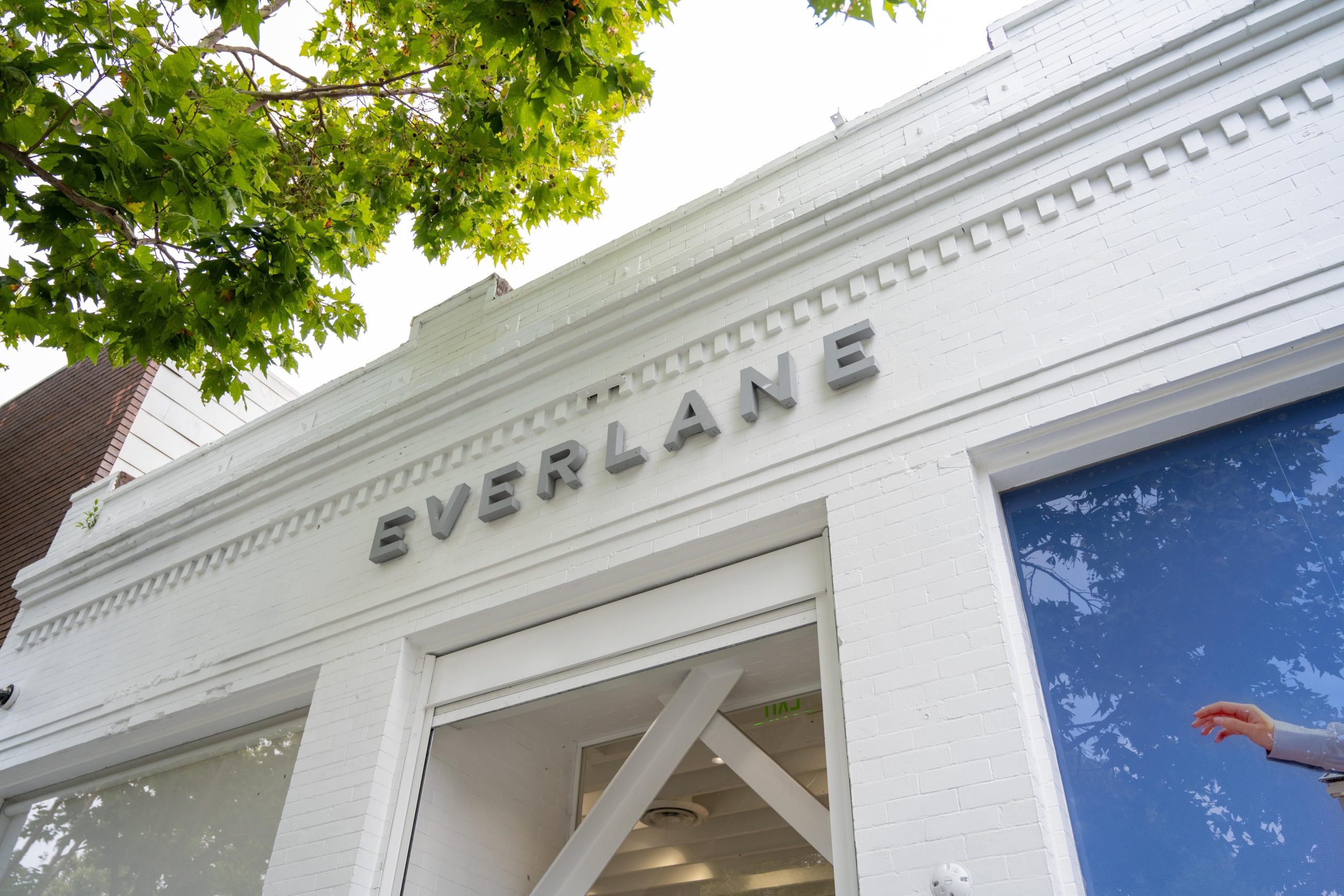
The recent acquisition of eco-conscious apparel brand Everlane by fast-fashion giant Shein has sent ripples through the consumer landscape, prompting a critical look at a generation of brands that once defined millennial purchasing habits. Valued at a reported $100 million, the deal marks a stark downturn for Everlane, a company that built its reputation on transparency and ethical production – principles deeply appealing to its target demographic. This event isn’t an isolated incident; it signals a potential wider trend of “millennial-coded” brands facing significant headwinds.
The Rise and Fall of the “Conscious Consumer” Brand
For years, brands like Everlane, Allbirds, Glossier, and Sweetgreen capitalized on a growing desire among millennials for products that aligned with their values. These companies promised sustainability, ethical sourcing, and a more authentic connection with their customers, often eschewing traditional advertising for direct-to-consumer models and influencer marketing. This approach resonated deeply, fostering a sense of community and shared purpose. However, as fashion editor Lauren Sherman, who broke the Everlane-Shein news, pointed out on the
Today, Explained
podcast, the foundations of these brands may have been more fragile than they appeared. A combination of economic pressures, shifting consumer priorities, and intense competition from both legacy players and agile newcomers has created a challenging environment. The very principles that once propelled these brands forward – ethical production and transparency – often came with higher costs, making it difficult to compete on price, especially in an inflationary climate.
Economic Headwinds and Evolving Priorities
The economic climate has undeniably played a crucial role in the struggles of these millennial-focused brands. Rising inflation has squeezed household budgets, forcing consumers to prioritize value and necessity over aspirational purchases. While the initial appeal of “doing good” through purchasing was powerful, many consumers are now finding themselves re-evaluating their spending habits. This shift means that brands heavily reliant on a premium price point for their ethical credentials are now facing a difficult balancing act. Furthermore, the definition of “conscious consumerism” itself may be evolving. Younger generations, while still concerned about environmental and social issues, might be seeking more systemic solutions or different avenues of impact beyond individual purchasing decisions. The initial fervor for a select few “ethical” brands has given way to a more nuanced and perhaps more demanding consumer base, one that is less easily swayed by marketing narratives alone.
The Future of Millennial-Coded Brands
The acquisition of Everlane serves as a cautionary tale, highlighting the precariousness of building a brand solely on a generational identity and a set of perceived values. While the “millennial brand” era may be waning, it doesn’t necessarily spell the end for businesses that prioritize ethical practices or sustainability. Instead, it suggests a need for adaptation and a deeper understanding of evolving consumer needs. Brands that can successfully blend their core values with genuine affordability, innovation, and a clear, demonstrable impact are more likely to endure. The challenge for these companies moving forward will be to prove their resilience not just to a specific demographic, but to a broader market that is increasingly discerning and economically pragmatic. The question is no longer
if
brands can be ethical, but
how
they can be both ethical and economically viable in the long term.
Based on materials: Vox



