
The partisan battle over congressional district lines, often dubbed the “redistricting wars,” has seen a significant mid-decade upheaval as Republicans secure an estimated advantage of roughly ten seats for the upcoming 2026 midterm elections. This strategic redrawing of electoral maps, initiated by former President Donald Trump, aims to solidify GOP control. However, this apparent victory might be a Pyrrhic one, with the potential for these aggressive tactics to ultimately backfire on Trump and his party.
The current landscape is a direct result of a calculated push by Republicans to reshape the electoral terrain. In 2025, Trump reportedly urged Texas lawmakers to implement new congressional maps designed to boost Republican prospects. This influence has since spread, with seven other Republican-controlled states following suit by passing revised district boundaries. On the opposing side, California stands out as the sole state to have successfully redrawn its maps in a manner that benefits Democrats, creating more competitive or favorable districts for the party. While the immediate gains for the GOP appear substantial, a deeper analysis suggests a more complex and potentially volatile outcome.
The Double-Edged Sword of Gerrymandering
The core of the GOP’s strategy lies in gerrymandering – the manipulation of electoral district boundaries to favor one party. By concentrating opposition voters into a few districts and spreading their own supporters across many, Republicans aim to maximize their seat count. This approach, however, carries inherent risks. When districts are drawn to be overwhelmingly safe for one party, they can lead to a decrease in voter engagement and a rise in political extremism within those districts. Candidates may feel less pressure to appeal to moderate voters, instead focusing on energizing a narrow base. This can result in a more polarized electorate and a less representative Congress.
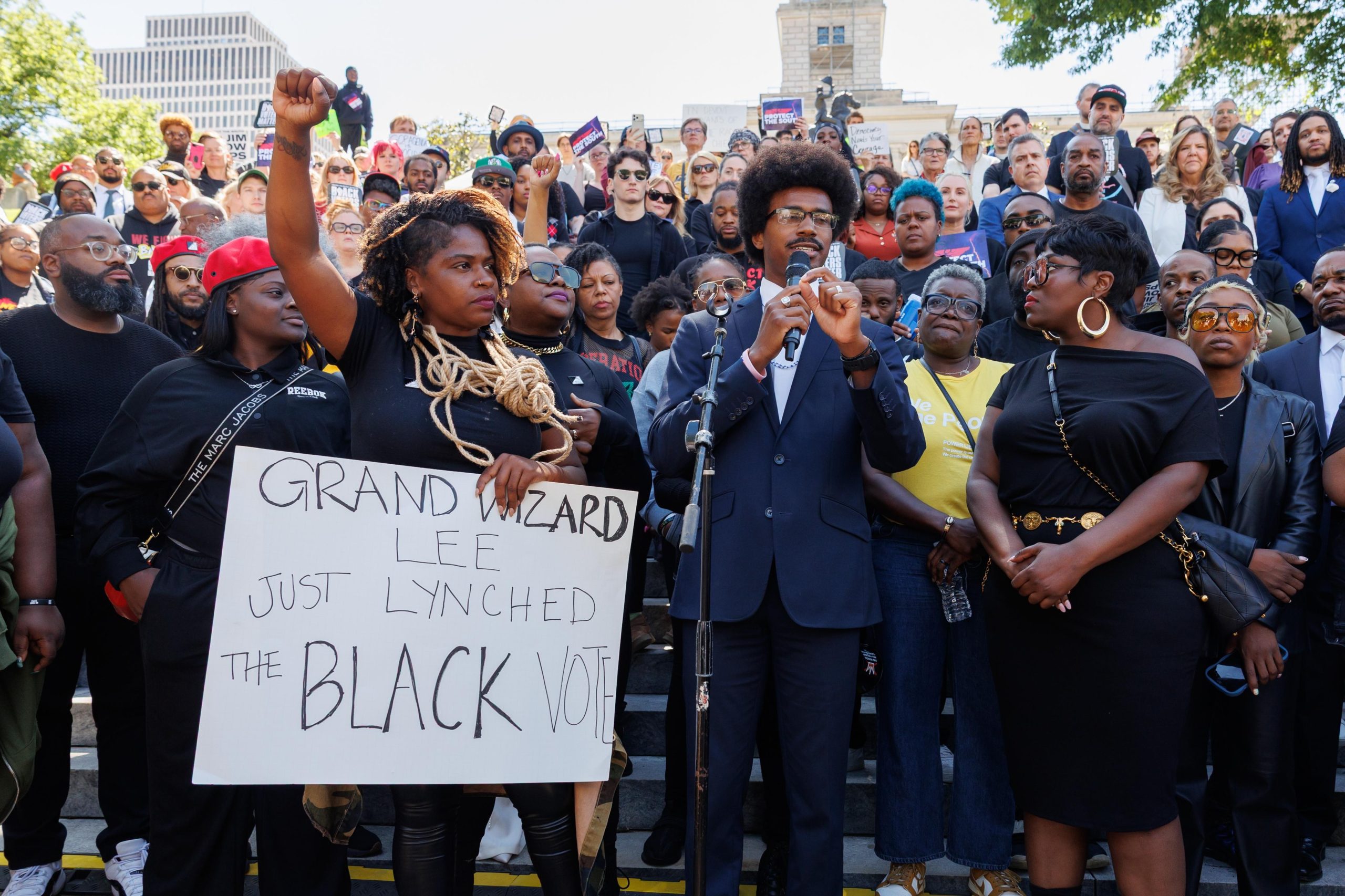
Furthermore, the intense focus on partisan advantage can alienate independent and moderate voters who may feel disenfranchised by the process. As seen in Tennessee, where Democratic State Representative Justin Pearson has been a vocal critic of the new maps, such maneuvers can galvanize opposition and lead to increased political activism. The narrative of a party unfairly manipulating the system can resonate with voters, potentially leading to a backlash at the ballot box, not just in 2026 but in subsequent elections. The very act of drawing hyper-partisan districts could, ironically, create an environment ripe for a voter revolt.
Unforeseen Consequences and Future Repercussions
The long-term implications of this mid-decade redistricting push remain to be seen. While Republicans may gain an immediate advantage, the creation of highly partisan districts could make them more vulnerable to shifts in public opinion. A wave election, fueled by voter dissatisfaction with the political climate or specific policies, could see these seemingly safe seats flip as voters express their discontent. The legal challenges and public outcry surrounding aggressive gerrymandering can also create negative press and erode public trust in the democratic process, ultimately harming the party perceived as orchestrating these changes.
The current “redistricting wars” represent a high-stakes gamble. The GOP is betting that the partisan advantage gained through these map manipulations will be sufficient to overcome any potential backlash or shifting political tides. However, history has shown that such aggressive partisan maneuvers can have unintended consequences, empowering the opposition and leading to unexpected electoral outcomes. As the dust settles, the true impact of these redrawn maps will unfold, potentially revealing that while Republicans may have won the battle for district lines, they could be jeopardizing the war for broader political control.
—
Based on materials: Vox



