
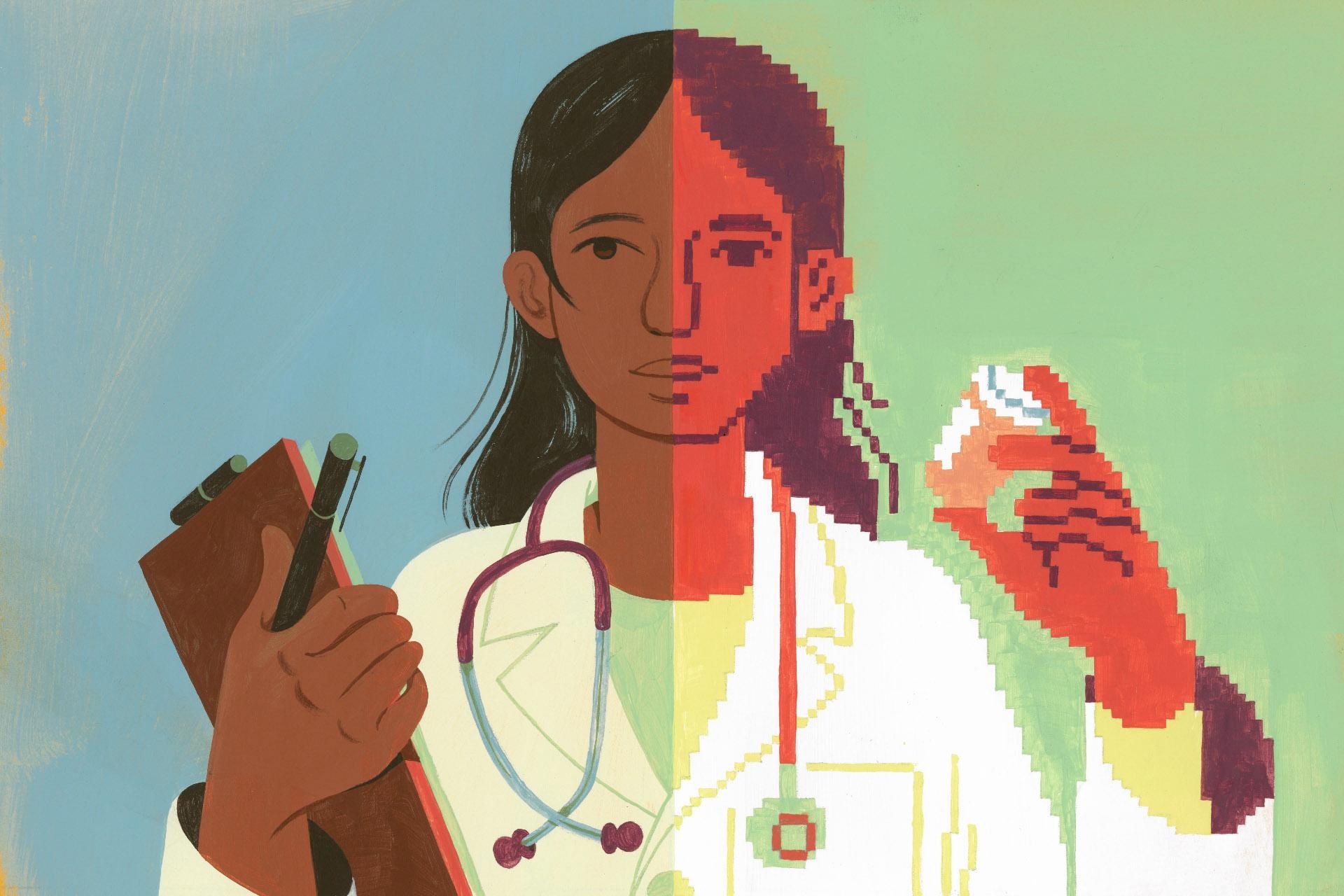
The familiar ritual of seeking medical care has undergone a seismic shift. Gone are the days when a persistent cough or a nagging ache invariably led to a long-standing relationship with a family physician. Instead, a growing number of Americans are finding themselves navigating a healthcare landscape that increasingly resembles a fast-food drive-thru, with prescriptions as the readily available product. This evolution points to a fundamental change in how healthcare is accessed and perceived, prioritizing convenience and speed over continuity and personal connection.
The Rise of the “Menu-Driven” Healthcare Model
A generation ago, the trusted family doctor was a cornerstone of community health. This physician, often a familiar face for years, understood individual patient histories, preferences, and the unique dynamics of their lives. This relationship fostered a sense of trust and personalized care, akin to a cherished local eatery where the staff knows your order by heart. Today, however, this model is being supplanted by a more transactional approach. Patients are increasingly turning to “drive-thru” clinics, both physical and virtual, where they are presented with a menu of services. The interaction with healthcare providers is often brief and standardized, leading to a quick acquisition of the desired prescription without the expectation of future follow-up. This “order and receive” mentality mirrors the experience of a fast-food transaction, where the customer knows precisely what they want and expects a swift, efficient delivery.
Convenience Trumps Continuity: The Patient’s Perspective
This shift is largely driven by the demand for convenience. In an era where online shopping has normalized immediate gratification and streamlined processes, patients are seeking similar efficiencies in their healthcare journeys. For non-emergency medical needs, the appeal of bypassing traditional appointment scheduling, waiting rooms, and potentially lengthy consultations is undeniable. The accessibility of online platforms and walk-in clinics allows individuals to address their health concerns on their own terms and timelines. While this convenience is a powerful draw, it raises questions about the long-term implications for patient well-being and the erosion of established doctor-patient relationships. The focus has moved from a holistic understanding of a patient’s health to a more targeted, symptom-based approach, driven by the immediate need for a specific treatment.
Implications for the Future of Healthcare
The “menu-driven” healthcare model, while offering undeniable advantages in terms of accessibility and speed, also presents a complex set of challenges. The decreased emphasis on ongoing physician relationships could lead to fragmented care, missed diagnostic opportunities, and a diminished capacity for managing chronic conditions effectively. As this trend continues to gain momentum, stakeholders in the healthcare industry, from providers to policymakers, must consider how to balance the undeniable benefits of convenience with the critical need for comprehensive, personalized, and continuous patient care. The future of healthcare may well lie in finding innovative ways to integrate the speed and accessibility of modern services with the enduring value of trusted medical relationships.
SOURCE: Vox
Based on materials: Vox



