
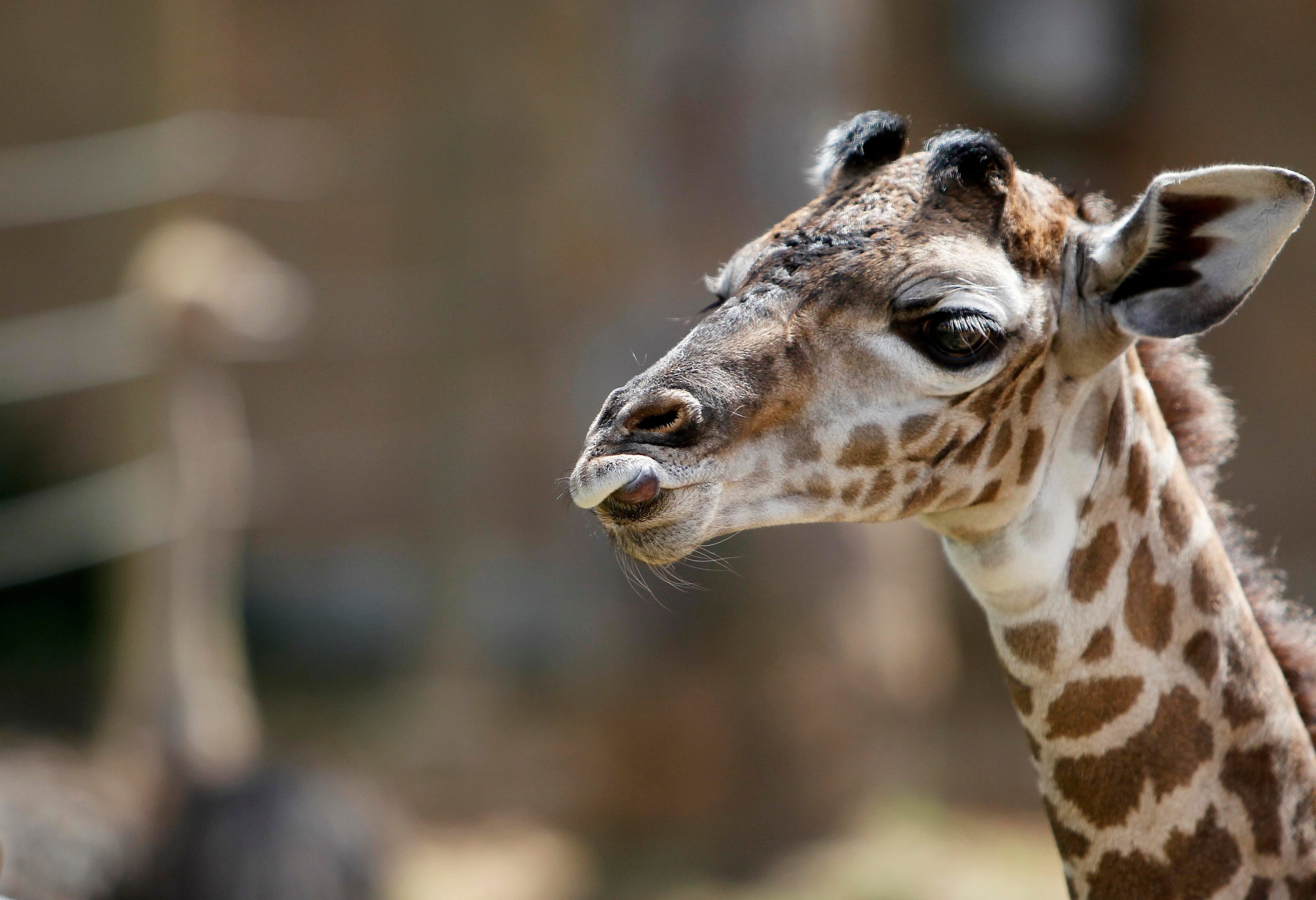
A whimsical search is underway in the Texas Hill Country for Gracie, a giraffe who made a daring escape from a private ranch in mid-June. The unusual fugitive has captured national attention, sparking lighthearted social media memes and a significant search effort involving helicopters and drones. A $5,000 reward is being offered for her safe return, but beyond the quirky headlines, Gracie’s vanishing act raises a more serious question: why was a giraffe living on a ranch in Texas in the first place?
The captivating image of an exotic animal on the loose often overshadows the complex realities of its presence in such an environment. While the public enjoys the novelty of Gracie’s “vacation,” animal welfare advocates point to the inherent challenges and ethical considerations surrounding the private ownership of exotic animals. The ranch, located approximately 100 miles west of San Antonio, is just one example of a growing trend where private individuals acquire animals not native to their regions, often for personal enjoyment or profit.
The Allure and Risks of Exotic Animal Ownership
The appeal of owning exotic animals is multifaceted. For some, it’s a status symbol, a way to showcase unique possessions. For others, it stems from a genuine, albeit often misguided, passion for wildlife. However, the practicalities of providing adequate care for animals like giraffes are immense. These creatures have highly specialized dietary needs, require vast amounts of space, and possess complex social structures that are difficult, if not impossible, to replicate in a captive, private setting. The escape of Gracie highlights the potential risks associated with this practice – not only for the animal’s well-being but also for public safety and the local ecosystem, should the animal encounter unfamiliar environments or diseases.
A Wider Conversation on Wildlife and Conservation
Gracie’s escape is more than just a local news anomaly; it’s a symptom of a broader issue concerning the exotic pet trade and the blurred lines between conservation efforts and private collections. While some private owners may contribute to legitimate conservation programs, many acquire animals through questionable channels, often with little regard for the animal’s long-term welfare or the ethical implications. This practice can also inadvertently fuel the illegal wildlife trade, as demand for exotic pets can lead to the poaching of animals from their natural habitats. The intensive search for Gracie, while well-intentioned, underscores the resources and effort required to manage the consequences of such escapes, resources that could arguably be better directed towards protecting animals in their natural environments.
In conclusion, while the story of Gracie the runaway giraffe offers a moment of unusual intrigue, it serves as a potent reminder of the ethical considerations surrounding exotic animal ownership. The focus on her capture, though understandable, should ideally pivot towards a deeper societal conversation about the responsible stewardship of wildlife and the potential dangers inherent in treating these magnificent creatures as mere commodities. As the search continues, the hope is that Gracie’s story will inspire greater awareness and a more conscientious approach to our relationship with the animal kingdom.
Based on materials: Vox



