
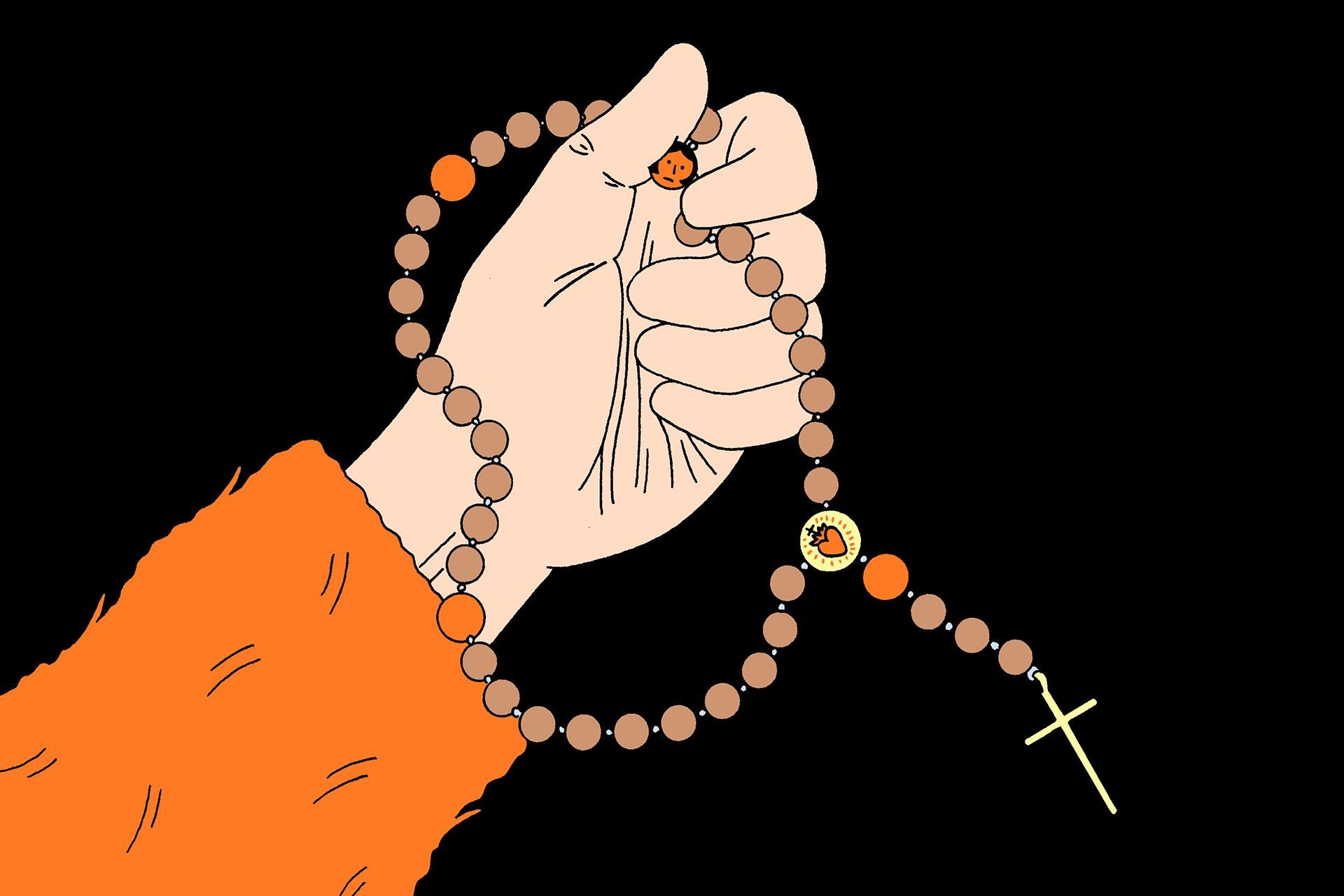
For many, faith is a cornerstone of their identity, a source of comfort, and a vital link to family. But what happens when belief wanes, yet the practice of religion continues out of love and a desire for peace? This complex emotional landscape is explored in a recent piece by science journalist Shayla Love, highlighting the human inclination to navigate personal conviction with familial obligation.
Love, stepping in for Sigal Samuel on the “Your Mileage May Vary” column, delves into a common quandary: attending religious services despite a lack of theological belief. The impetus for this practice, as shared by a reader, stems from a desire to not upset a religious mother. The unspoken tension between personal truth and the comfort it provides to loved ones creates a delicate balancing act, raising questions about authenticity, connection, and the broader societal pressures surrounding religious observance.
The Comfort of Ritual and Connection
The act of attending religious services, even without firm belief, offers tangible benefits. For the individual, it can be a way to maintain a connection with a parent or family member, fostering a sense of shared experience and continuity. The familiar rituals, the community, and the tradition can provide a sense of grounding and belonging, even if the underlying dogma doesn’t resonate. This is particularly true when a parent’s religious views are a significant part of their identity and bring them personal peace. The fear of causing distress by revealing a lack of belief can be a powerful motivator to continue the practice, prioritizing the emotional well-being of a loved one over absolute personal transparency.
Navigating Disbelief with Grace
Love’s exploration touches upon the psychological and sociological aspects of this dilemma. It raises the question of whether it is inherently “disingenuous” to participate in religious practices without full conviction. From a philosophical standpoint, one could argue that the performance of rituals without belief is a form of deception. However, from a more humanistic perspective, it can be viewed as an act of love, a compromise made to preserve a cherished relationship and uphold familial harmony. This scenario highlights how personal beliefs can intersect with social expectations and the deep-seated human need for connection and acceptance, sometimes leading individuals to adopt a pragmatic approach to faith.
Beyond Theology: The Enduring Value of Community
Ultimately, the decision to continue religious practice despite a lack of belief is a deeply personal one, shaped by individual values and relationships. While the theological underpinnings may not hold sway, the social and emotional benefits can be significant. These can include strengthening family bonds, participating in community events, and contributing to a shared cultural heritage. Love’s piece suggests that the value of religious traditions may extend beyond their doctrinal aspects, encompassing their role in fostering community, providing comfort, and facilitating intergenerational connections, even for those who no longer subscribe to their core tenets. The ongoing practice, in this context, becomes less about theological assent and more about the enduring power of love and shared human experience.
Based on materials: Vox



