
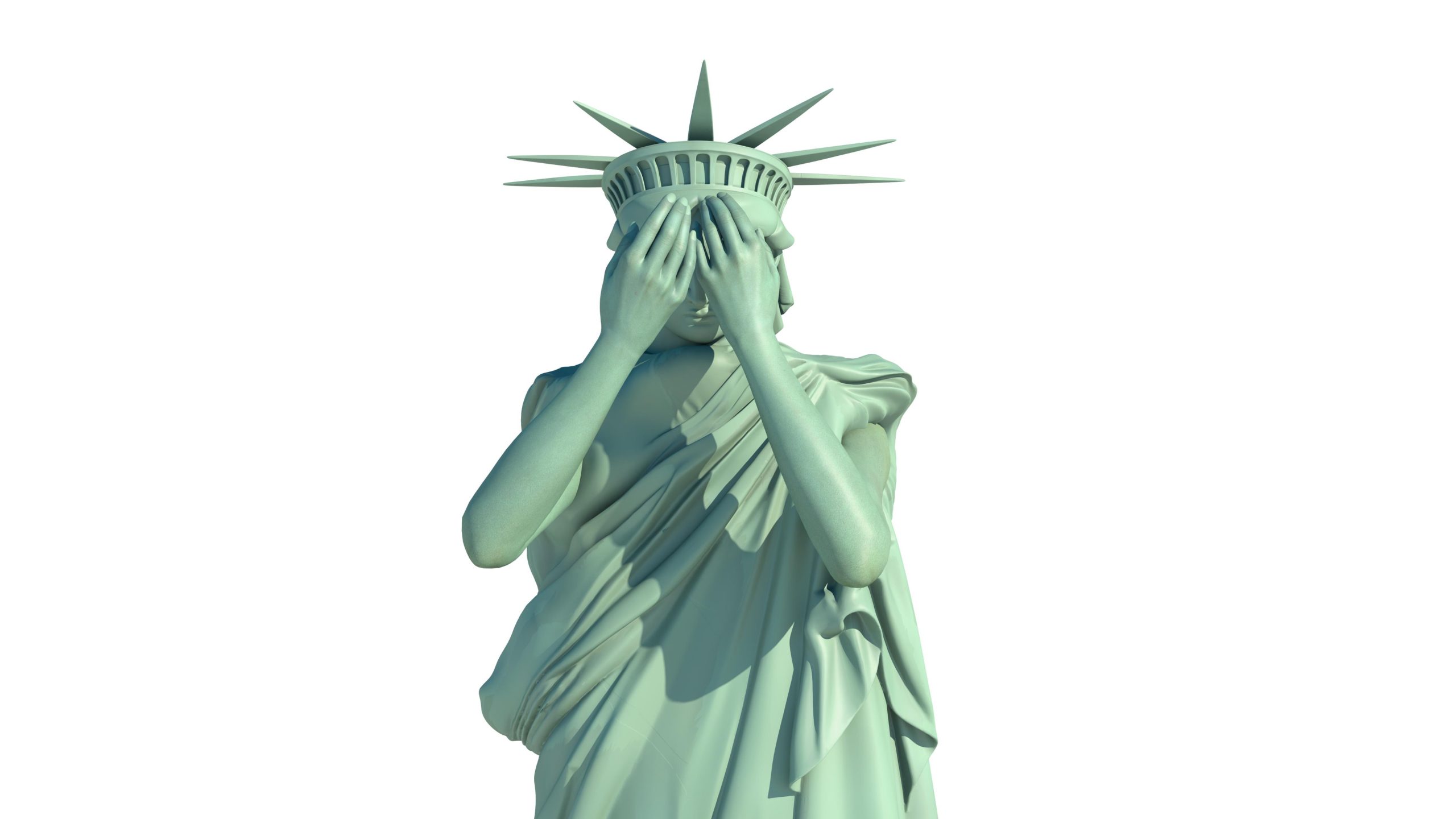
Despite significant advancements and a more robust economy, a pervasive sense of national decline plagues the United States, leaving many Americans believing the country is on the wrong track and its best days are in the past. This sentiment stands in stark contrast to the nation’s bicentennial year of 1976, a period fraught with economic turmoil and political scandal, yet marked by a surprisingly optimistic national spirit.
A Nation in Crisis, Yet Celebratory
In the summer of 1976, America found itself navigating a complex landscape. President Gerald Ford, the only US president never to be elected to either the presidency or vice presidency, occupied the Oval Office following the Watergate scandal. The shadow of the Vietnam War, which had concluded the previous year in defeat and with the loss of nearly 60,000 American lives, still loomed large. Economically, the nation grappled with double-digit inflation and unemployment hovering around 8 percent, prompting economists to coin the term “stagflation” to describe this challenging economic climate. Given these dire circumstances, one might expect a somber mood. However, historical accounts and cultural memory suggest a different reality: Americans embraced their 200th anniversary with a surprisingly jubilant spirit, throwing a nationwide celebration.
The Paradox of Progress and Pessimism
Fast forward to today, and the narrative has dramatically shifted. Polls consistently reveal that a significant majority of Americans, approximately 60 percent, feel the nation is headed in the wrong direction. This widespread pessimism is not rooted in immediate, tangible crises of the same magnitude as those faced in 1976. The economy, while facing its own challenges, is generally more stable, with inflation and unemployment rates significantly lower than their 1970s peaks. The nation is not embroiled in a divisive war on the scale of Vietnam. Yet, the prevailing sentiment is one of decline. This disconnect between objective progress and subjective feeling raises critical questions about the drivers of national morale.
Unpacking the Modern Malaise
Several factors likely contribute to this modern sense of unease. The relentless 24/7 news cycle, often dominated by negative or sensationalized stories, can create a distorted perception of reality and amplify anxieties. Social media, while offering connection, can also foster comparison, division, and the spread of misinformation, eroding trust and contributing to a feeling of societal fragmentation. Furthermore, growing economic inequality, political polarization, and a sense of cultural division may be creating a deeper, more insidious form of dissatisfaction that transcends immediate economic indicators. While the external challenges of 1976 were stark and undeniable, the current malaise may stem from more complex, intangible factors related to social cohesion, trust in institutions, and a perceived loss of shared national identity. The celebration of 1976, amidst its troubles, perhaps highlights the power of collective optimism and a shared sense of purpose, elements that appear to be in short supply today.
Conclusion:
The contrast between the outward-looking optimism of America’s bicentennial and the current introspective pessimism is a compelling paradox. While objective metrics suggest the nation has made considerable strides, the subjective experience for many Americans is one of regression. Understanding the root causes of this disconnect – from the influence of media to the erosion of social capital – is crucial for addressing the underlying issues that shape the national mood and for potentially rekindling a sense of shared optimism for the future.
Based on materials: Vox



