
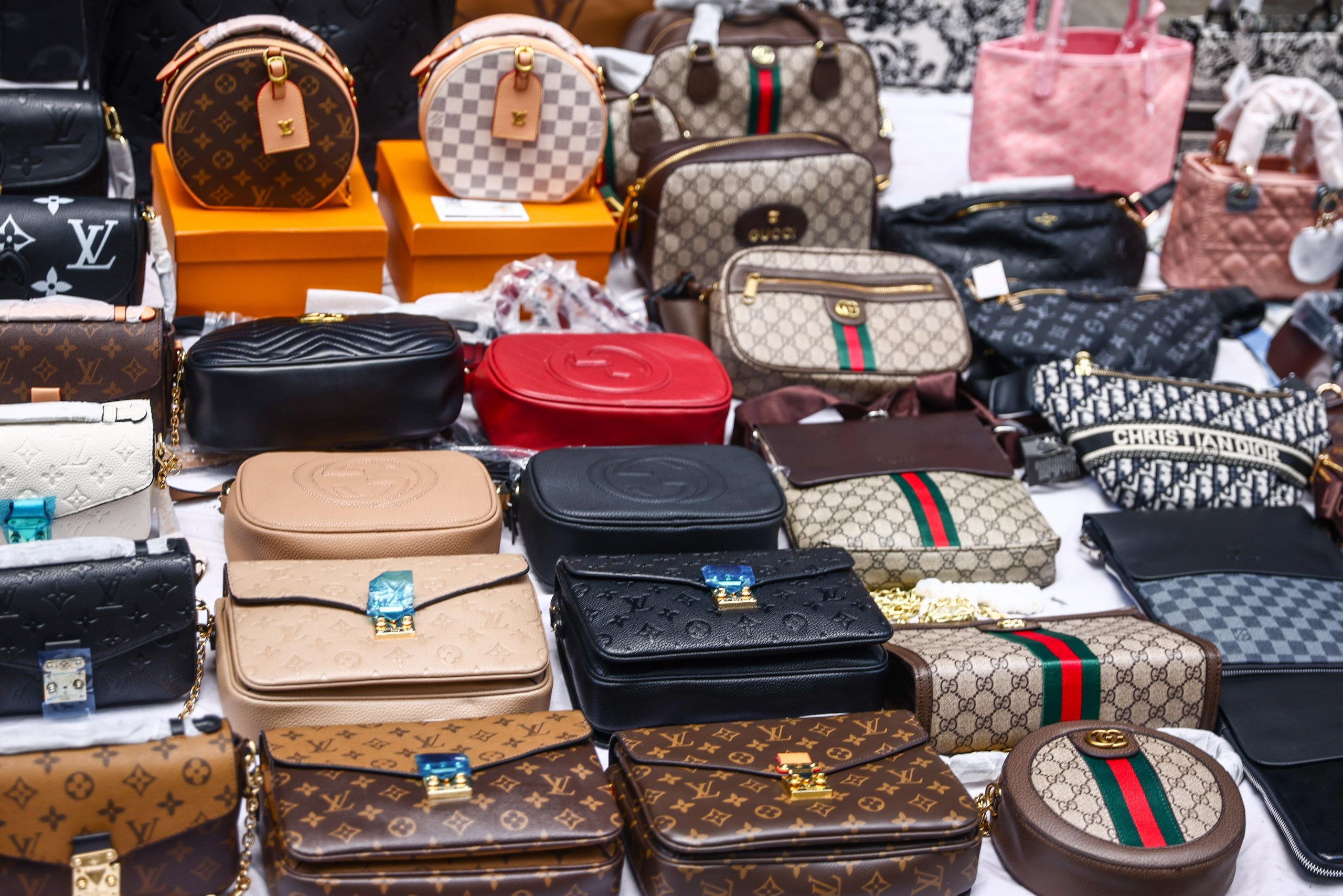
The rise of “dupe culture” has officially cemented its place in the commercial landscape, proving that savvy consumers are increasingly prioritizing accessible alternatives to high-end brands. This phenomenon was underscored in a recent legal battle involving Deckers, the parent company of the iconic UGG boots, and Quince, a retailer known for its more budget-friendly lookalikes.
Deckers’ attempt to prevent Quince from referencing “dupe culture” during a trial over alleged design infringement ultimately failed. This legal setback signifies a broader cultural acceptance of “dupes” – cheaper versions of popular, often expensive, branded products. The case centered on whether Quince’s shearling boots, which bore a striking resemblance to UGGs, infringed upon existing design patents.
The Verdict and Its Implications
In a surprising turn of events, the jury found that Quince had indeed copied the UGG boot design. However, in a twist that further validated the burgeoning “dupe culture,” the jury also ruled that the patent for the UGG boot itself should not have been granted in the first place, deeming the design too generic for exclusive protection. This landmark decision has effectively opened the floodgates for brands like Quince and others to produce similar-looking footwear without immediate legal repercussions. The outcome not only benefits consumers seeking more affordable options but also signals a potential shift in how intellectual property in fashion and design is perceived and protected.
The Economic Engine of Accessibility
“Dupe culture” is more than just a trend; it’s a burgeoning commercial ecosystem. It thrives on providing consumers with access to styles and functionalities previously confined to luxury markets. For many, acquiring a “dupe” isn’t about deceiving others, but about democratizing access to aesthetics and quality that were once out of reach. This movement is fueled by social media, where influencers and everyday users actively share and recommend affordable alternatives, creating a viral demand. Brands that embrace this reality, by offering competitive pricing and similar designs, are poised to capture a significant market share. Conversely, brands that rigidly defend their premium pricing and designs may find themselves increasingly challenged by this wave of accessible consumerism.
Navigating the Future of Retail
The implications of this legal ruling and the persistent growth of “dupe culture” extend beyond footwear. It suggests a broader consumer demand for value, transparency, and accessibility in the retail sector. As brands and manufacturers navigate this evolving market, they will need to consider how to balance brand identity and innovation with the undeniable appeal of affordable alternatives. The future of retail may well be defined by a delicate dance between exclusivity and inclusivity, where brands that can effectively tap into the “dupe culture” without sacrificing their core values will likely emerge as leaders. This isn’t just about cheaper products; it’s about a fundamental shift in consumer priorities and the commercial strategies that will cater to them.
Based on materials: Vox



