
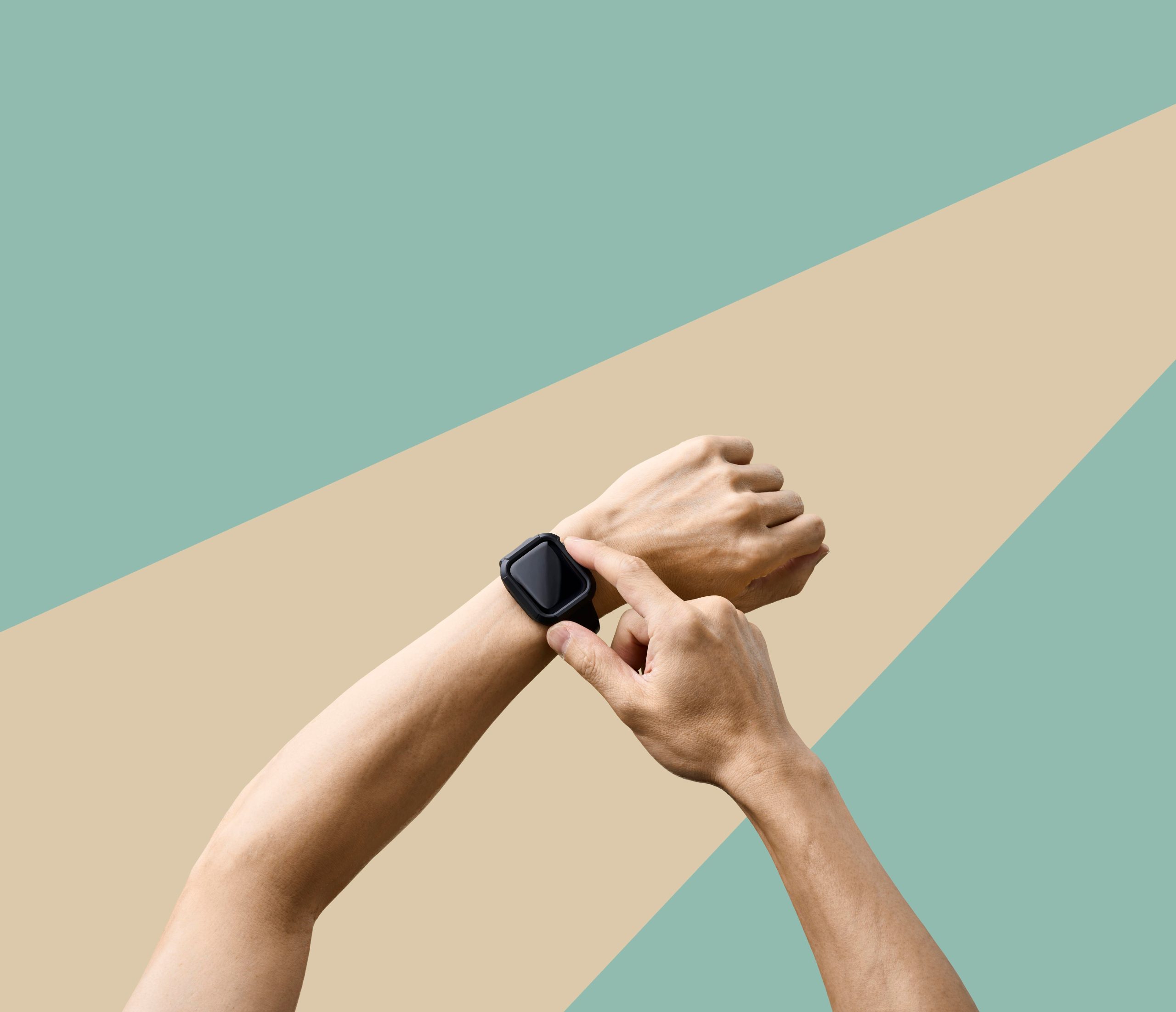
The proliferation of wearable health trackers has transformed personal wellness, offering a constant stream of biometric data at our fingertips. While devices like the Apple Watch and fitness bands can quantify everything from heart rate fluctuations to sleep quality and daily step counts, the sheer volume of information can be overwhelming. But what metrics truly matter to medical professionals, and how can this data be leveraged for genuine health improvements?
Beyond the Numbers: Actionable Health Insights
As Dr. Ami Bhatt of the American College of Cardiology aptly states, “The best health metric is the one that changes what you do in a way that improves your health.” This sentiment underscores a critical shift: moving beyond passive data collection to active health management. While the ability to check your heart rate or review your daily “active minutes” is impressive, the true value lies in translating these numbers into tangible lifestyle adjustments. A 2023 government survey revealed that one in three Americans now rely on smartwatches or wristbands for health and fitness tracking, highlighting a growing societal reliance on these devices. However, navigating the vast datasets requires understanding which metrics hold the most significance for preventative care and overall well-being.
Key Metrics Doctors Prioritize
While wearables offer a smorgasbord of data points, certain metrics consistently emerge as priorities for healthcare providers. Heart rate, particularly resting heart rate and heart rate variability (HRV), provides valuable insights into cardiovascular health and stress levels. A consistently elevated resting heart rate or a significant drop in HRV can signal underlying issues. Sleep tracking, while often imperfect, offers a glimpse into sleep duration and quality. Poor sleep is linked to a multitude of health problems, and consistent tracking can help identify patterns that need addressing. Furthermore, activity metrics, beyond just steps, can indicate overall movement and sedentary time. Doctors often encourage patients to reduce prolonged periods of sitting and aim for consistent moderate-intensity activity. The key is not just to record these numbers but to understand what they signify and how they can be influenced by diet, exercise, and stress management.
Leveraging Wearables for Proactive Health
The true power of health trackers lies in their potential for proactive health management. Instead of waiting for symptoms to appear, individuals can use their wearable data to identify early warning signs and make informed lifestyle changes. For instance, noticing a consistent increase in resting heart rate might prompt a conversation with a doctor about stress management techniques or dietary adjustments. Similarly, understanding sleep patterns can lead to better sleep hygiene practices. As these devices become more sophisticated, their integration with electronic health records and direct communication with healthcare providers holds immense promise for a more personalized and preventative approach to medicine. The future of wearable health tech isn’t just about collecting data; it’s about empowering individuals with actionable insights to lead healthier, more informed lives.
Based on materials: Vox



