
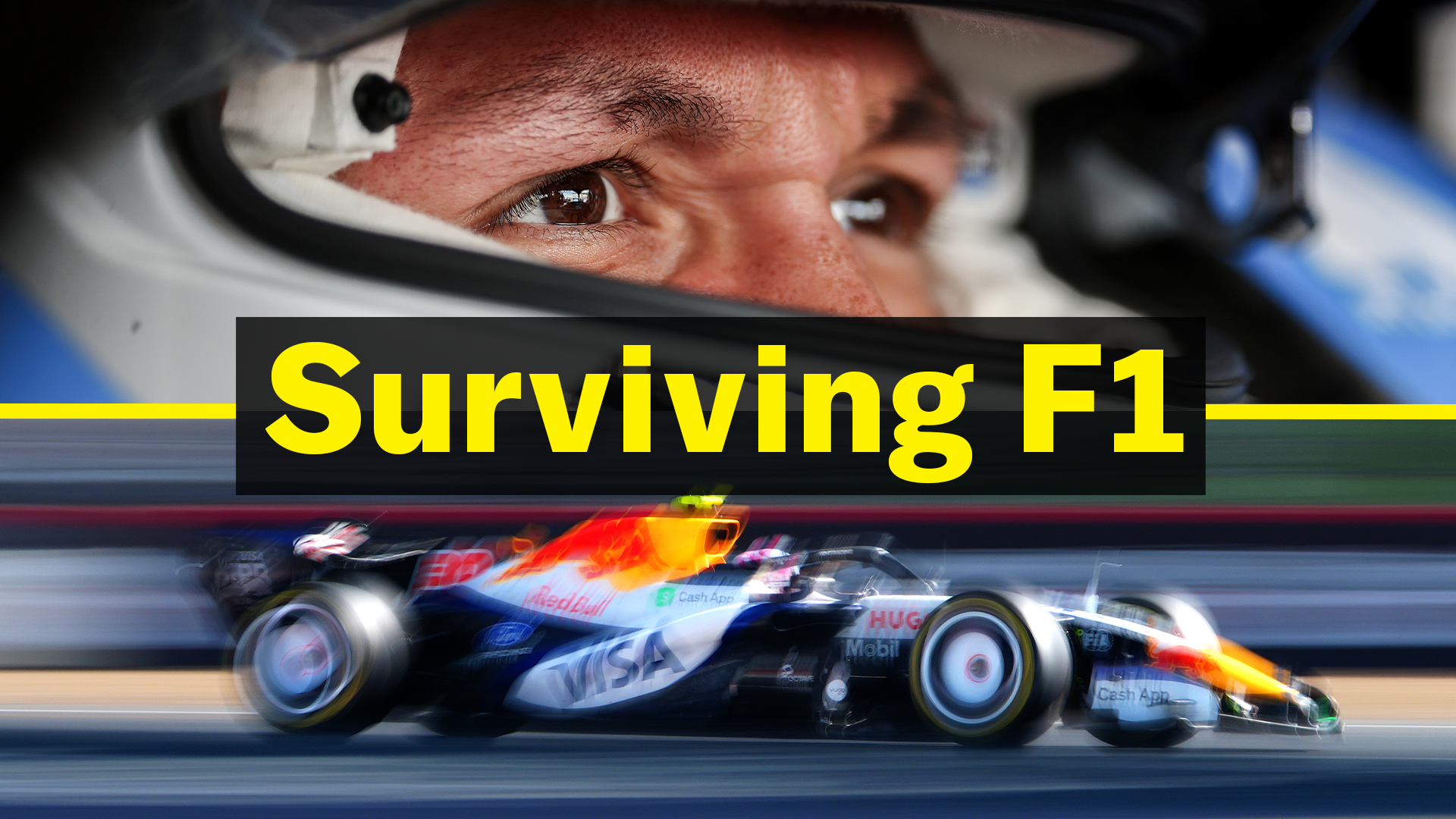
The roar of an engine, the blur of speed – Formula 1 is undeniably one of the most exhilarating spectacles in sports. But beyond the dazzling displays of engineering and daring overtakes, lies a brutal physical challenge that pushes human endurance to its absolute breaking point. F1 drivers aren’t just skilled pilots; they are elite athletes performing under extreme duress, a fact that becomes starkly clear when you examine the physiological toll of a single Grand Prix.
The Gauntlet of G-Force and Heat
Imagine hurtling around a track at speeds exceeding 230 miles per hour, mere inches from other cars, and facing forces that would buckle a lesser being. During a race, F1 drivers endure hundreds of pounds of force, particularly during high-speed cornering and braking. This immense pressure can strain their necks, spines, and entire bodies, requiring incredible muscular strength and resilience. Add to this the cockpit temperatures that can soar to a blistering 130°F (around 54°C), a result of engine heat and limited ventilation. This oppressive environment, coupled with the physical exertion, leads to significant fluid loss, with drivers often losing several pounds of water weight during a single race. The risk of extreme dehydration is very real, and its consequences can be severe, including impaired cognitive function, which in a sport where split-second decisions are life-or-death, is simply not an option.
Training for Survival: More Than Just Driving
To survive, let alone compete, in such a demanding environment, F1 drivers undergo rigorous and highly specialized training regimens. While the specific nuances of preparing for the unique stresses of motorsport are complex, the foundational principles often echo those found in other high-impact sports. For instance, training for an F1 driver shares surprising similarities with preparing an NFL linebacker. This involves a holistic approach focusing on cardiovascular endurance to combat heat and maintain stamina, immense core and neck strength to withstand G-forces, and functional strength to support rapid and precise movements. The goal is not just to be fast, but to be resilient – to prevent disaster and maintain peak performance when the body is screaming for respite.
The Unseen Athleticism of Motorsport
The public often sees the glamour and the speed, but the true measure of an F1 driver’s capability lies in their physical and mental fortitude. Their ability to process information, react instantaneously, and endure immense physical stress is a testament to years of dedicated training and an extraordinary level of conditioning. The sport demands a blend of raw power, unwavering stamina, and a finely tuned mind, all working in concert at speeds that defy belief. Understanding the extreme physical demands placed upon these athletes offers a deeper appreciation for the sheer dedication and athleticism required to conquer the world of Formula 1.
Based on materials: Vox



