
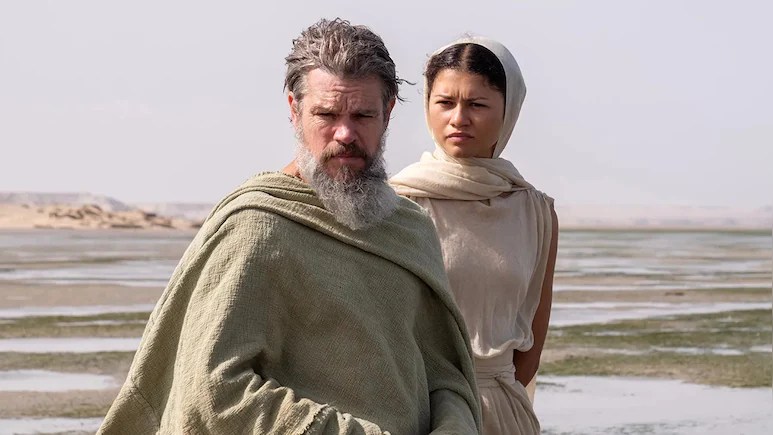
Christopher Nolan’s highly anticipated adaptation of Homer’s epic poem,
The Odyssey
, has ignited a firestorm of discussion following the release of its first trailer. While the visual spectacle and star-studded cast have generated excitement, it’s the unconventional casting and dialogue that have truly captured public attention, prompting both amusement and outrage. The core of the debate centers on the actors’ choice of accents, particularly why a cast featuring prominent British talent has opted for American inflections, and why the language feels so strikingly modern.
A Modern Voice for an Ancient Tale
The trailer features familiar faces delivering lines that sound far removed from the epic sagas of antiquity. Tom Holland, known for his natural British accent, portrays Telemachus with a distinct American cadence. Similarly, Robert Pattinson’s delivery as a yet-to-be-identified character is laced with hard American “r”s, a stark contrast to his native English. The most jarring example, however, comes from Matt Damon’s Odysseus, whose pronouncements are described as bearing a “Boston o’s in their full splendor.” This deliberate departure from traditional portrayals, where characters often adopt received pronunciation or region-specific accents to convey historical or social context, has left many viewers questioning Nolan’s artistic intent. The immediate online reaction, with one outlet quipping that “Everybody sounds like they’re from Ohio,” highlights the perceived incongruity of these contemporary American voices within the context of a story set millennia ago.
Artistic License or Misstep?
This linguistic choice is not merely a stylistic quirk; it raises fundamental questions about how we interpret and adapt classic literature for contemporary audiences. Nolan, a director known for his bold artistic visions and willingness to challenge conventions, appears to be aiming for a fresh perspective on the timeless tale of Odysseus’s arduous journey home. The use of American accents and modern vernacular could be an attempt to make the characters and their struggles more relatable to a 21st-century audience, bridging the vast temporal gap between ancient Greece and today. By stripping away the perceived “otherness” of historical accents, Nolan might be seeking to emphasize the universal human emotions and experiences at the heart of
The Odyssey
– longing, perseverance, loyalty, and the struggle against overwhelming odds. However, this approach risks alienating viewers who expect a certain fidelity to the source material’s historical and cultural milieu, or who find the accents to be a distracting anachronism.
Thematic Resonance and Future Expectations
The debate over the accents is, in essence, a debate about interpretation. Is Nolan prioritizing emotional accessibility and thematic universality over historical accuracy? The trailer’s dialogue, including lines like “My dad is coming home” and “You’re pining for a daddy you didn’t even know,” suggests a focus on familial relationships and personal yearning, themes that resonate deeply regardless of time period. The immediate, visceral reactions to the trailer indicate that Nolan has succeeded in sparking conversation, a hallmark of his filmmaking. While some may find the American accents jarring, others might see it as a bold stroke that allows the emotional core of the story to shine through, unburdened by the linguistic barriers of historical performance. As audiences await the full release, the question remains whether this unconventional approach will ultimately serve the narrative or detract from the epic’s enduring power. The success of Nolan’s
Odyssey
may well hinge on how effectively these artistic choices deepen our understanding of this ancient hero’s journey.
Based on materials: Vox



