
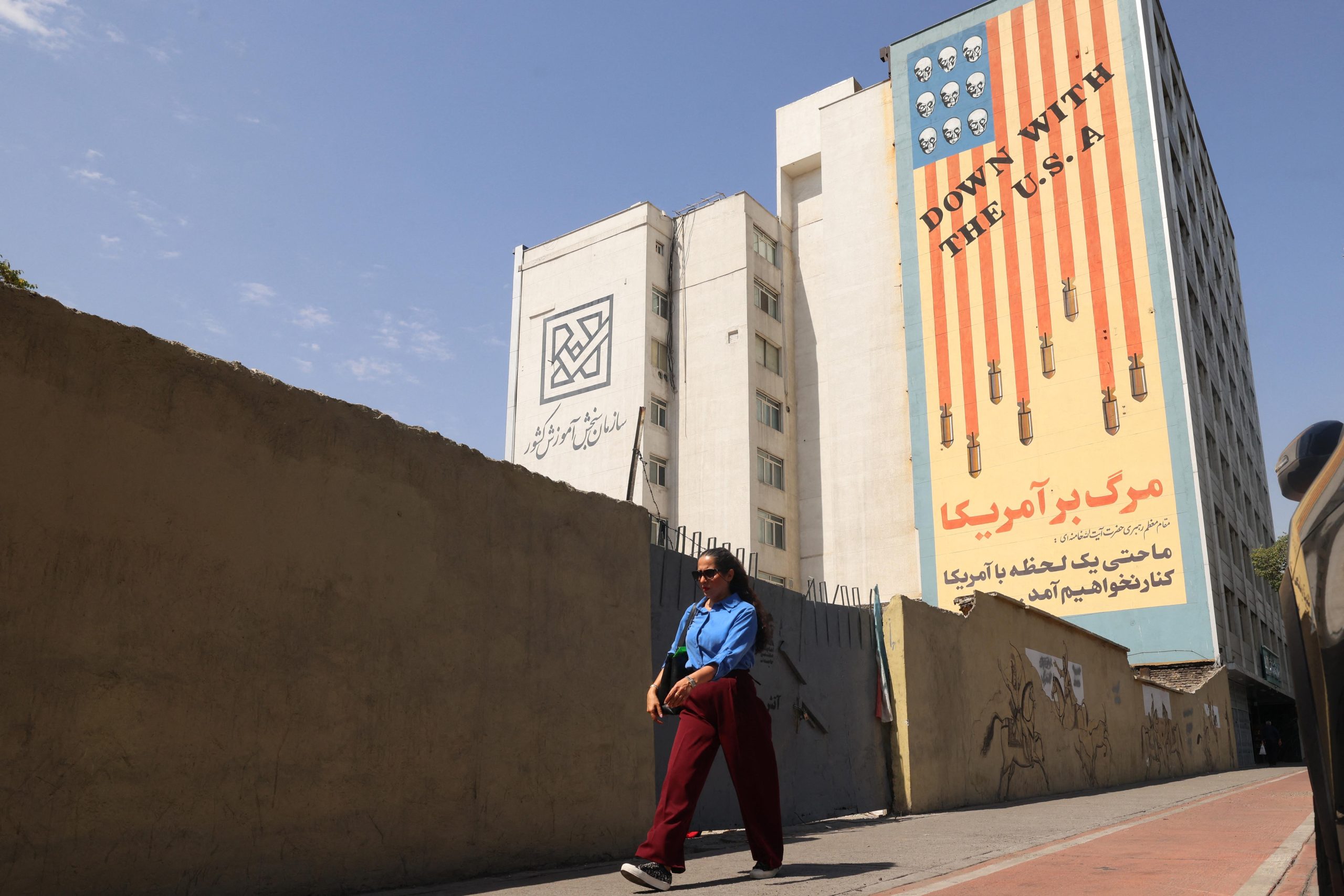
The recent escalation of hostilities in the Middle East has underscored Iran’s capacity to mount a significant response, despite what some perceive as an unraveling ceasefire. President Donald Trump’s apparent frustration when questioned about his Iran strategy highlights a complex geopolitical bind, as the conflict, never widely supported, continues to present significant challenges. In the two weeks following the collapse of a fragile truce, Iran has demonstrated its military reach through a series of missile and drone strikes targeting various locations across the Middle East. These actions have resulted in substantial damage to U.S. bases and, tragically, led to the loss of three American lives just last week. This resurgence in Iranian offensive actions suggests a strategic pivot, fueled by recent perceived successes and a determination to project power within the region.
A Shift in Regional Dynamics
The renewed offensive capabilities displayed by Iran signify a notable shift in the regional power balance. The coordinated missile and drone attacks, which have hit U.S. installations and impacted regional stability, are not merely isolated incidents. They represent a calculated effort to reassert Iran’s influence and challenge the dominance of its adversaries. This strategy appears designed to achieve several objectives: to deter further aggression, to demonstrate resilience in the face of international pressure, and potentially to rally domestic support through a display of national strength. The effectiveness of these strikes, particularly their impact on U.S. assets, suggests a sophisticated understanding of regional vulnerabilities and a capacity for sustained operations.
The Geopolitical Tightrope
President Trump’s reaction to queries about Iran underscores the delicate and often unpredictable nature of international diplomacy and conflict. His assertion that reporters “don’t know anything” can be interpreted as a defense mechanism against criticism of his administration’s Iran policy, especially as the conflict deepens. The collapse of the ceasefire has placed the U.S. in a precarious position, grappling with both the human cost of the conflict and the strategic implications of Iran’s resurgent military posture. The ongoing attacks serve as a potent reminder that Iran, despite sanctions and international isolation, retains a significant capacity to disrupt regional security and project force, forcing a re-evaluation of existing strategies and potentially leading to a more prolonged and costly engagement.
Looking Ahead: Uncertainty and Resolve
The current trajectory suggests a period of heightened tension and potential for further escalation. Iran’s demonstrated ability to launch sustained attacks, coupled with the significant damage inflicted on U.S. interests, paints a picture of a nation determined to defend its position and project its influence. For the United States and its allies, this presents a significant challenge, requiring a nuanced approach that balances deterrence with the avoidance of further bloodshed. The coming weeks will likely reveal the long-term implications of Iran’s renewed offensive, shaping the future of regional stability and the complex relationship between Tehran and Washington. The events underscore the persistent and often unpredictable nature of geopolitical conflicts, where even a perceived collapse of peace can reignite formidable resistance.
Based on materials: Vox



