
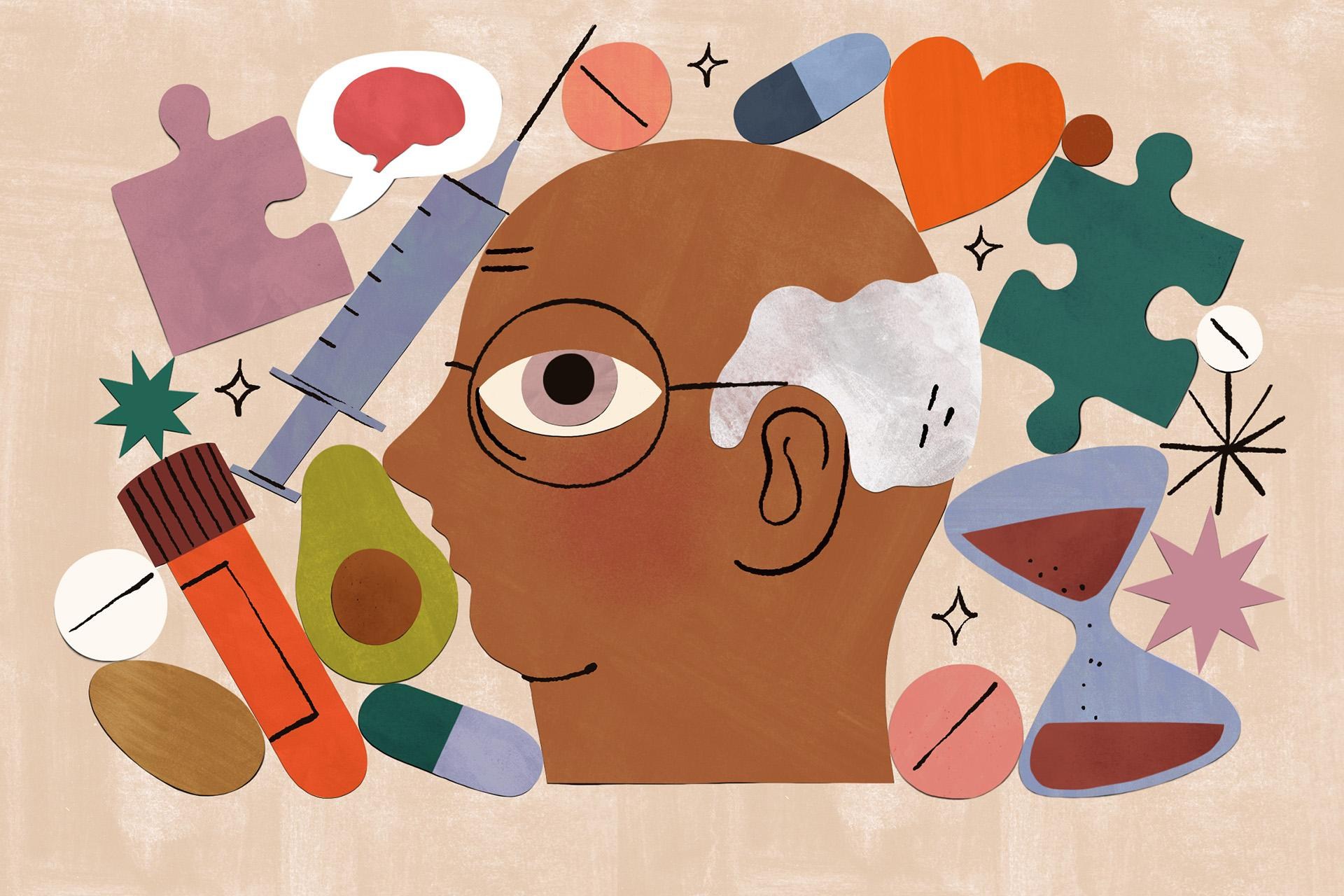
For decades, Alzheimer’s disease has been a formidable foe, often met with limited treatment options and a pervasive sense of helplessness. However, a significant paradigm shift is underway, with scientific advancements now bringing genuinely effective treatments within reach. The once-elusive promise of slowing the progression of this devastating neurodegenerative disorder is becoming a reality, offering a beacon of hope to millions of patients and their families worldwide.
A New Era of Treatment
The past few years have witnessed the emergence of groundbreaking therapies like lecanemab and donanemab. These innovative treatments are not merely managing symptoms; they are actively intervening in the disease’s pathological processes, demonstrating a tangible ability to slow cognitive decline. This marks a monumental leap forward from previous approaches, which largely focused on symptom alleviation without impacting the underlying disease progression. The availability of these drugs on pharmacy shelves means that real-world benefits are now accessible, transforming the outlook for individuals diagnosed with Alzheimer’s.
Early Detection and Intervention
Beyond new treatments, the landscape of Alzheimer’s diagnosis is also being revolutionized by advancements in blood testing. These novel diagnostic tools possess the remarkable ability to identify individuals at risk for Alzheimer’s much earlier in their lives. This early detection is crucial, as it opens the door for proactive interventions. Patients identified as at-risk can now be empowered to make significant lifestyle changes – such as adopting specific diets, engaging in regular exercise, and pursuing mentally stimulating activities – that may help stave off or delay the onset of symptoms. This proactive approach shifts the narrative from reactive care to preventative strategies, a critical development in managing Alzheimer’s.
The Path Forward: Research and Lifestyle
The surge in positive news surrounding Alzheimer’s research is undeniable, with scientists consistently reporting new breakthroughs. While experimental treatments like the reported brain surgery from China for symptom reversal are still in their early stages and warrant cautious optimism, they underscore the intense global focus on finding solutions. Experts like Dr. Jason Karlawish, co-director of the Penn Memory Center, emphasize the profound change: “Diagnosis and treatment of Alzheimer’s has changed in a way that is revolutionary compared to, say, four or five years ago.” This sentiment is echoed across the scientific community, highlighting a transformative period in the fight against Alzheimer’s. The combination of advanced medical interventions and informed lifestyle choices presents a powerful, multi-pronged strategy for individuals and society to confront this disease.
Based on materials: Vox



