
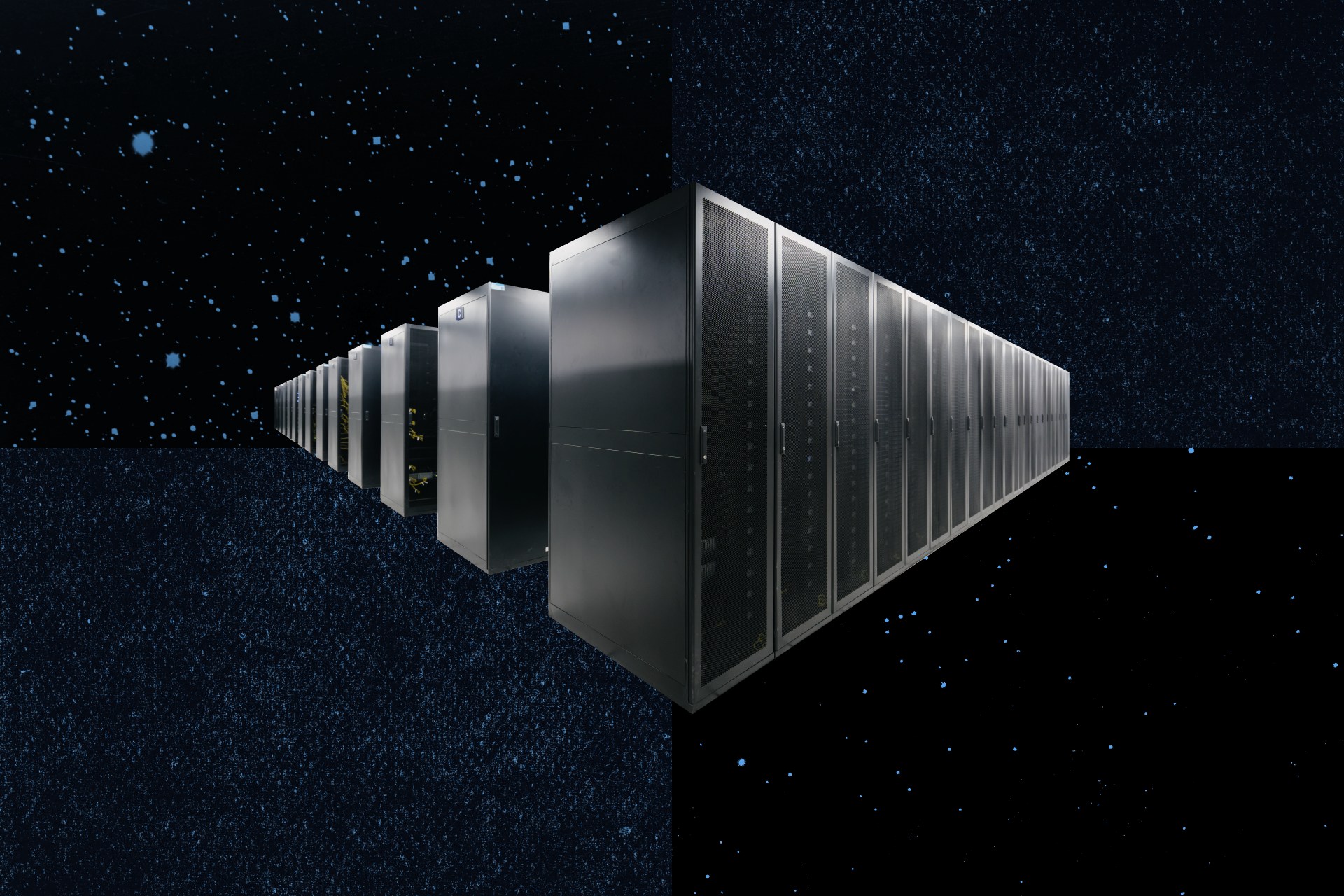
The relentless demand for digital services is pushing the boundaries of where we can host our ever-growing data. In an era where cloud computing powers everything from streaming movies to complex scientific research, the terrestrial infrastructure is facing unprecedented strain. This has led some of the biggest tech players, including Google, Meta, and SpaceX, to eye a truly out-of-this-world solution: data centers in space.
The idea, while seemingly plucked from science fiction, stems from very real earthly challenges. Data centers are notoriously resource-intensive, requiring vast amounts of electricity and, critically, water for cooling. In regions grappling with drought and strained resources, the construction of these digital behemoths has become a point of contention. This was starkly illustrated in Arizona, where a proposed 290-acre data center project, dubbed “Project Blue,” faced significant local opposition due to its potential water consumption in an arid environment. Councilmember Nikki Lee’s plea to “get a little out-of-this-world” during a tense vote reflected a growing sentiment: perhaps data centers don’t belong in water-scarce deserts.
The Terrestrial Strain and the Space Solution
The global appetite for data processing and storage is insatiable. As artificial intelligence, the Internet of Things, and immersive digital experiences continue to evolve, the need for powerful and accessible data centers will only intensify. However, building these facilities on Earth presents a complex web of challenges. Beyond the significant land footprint and energy demands, the logistical hurdles and the environmental impact are becoming increasingly scrutinized. Companies are looking for innovative ways to scale their operations without exacerbating existing environmental concerns.
Elon Musk’s SpaceX, along with tech giants like Google and Meta, are actively exploring the feasibility of establishing data centers beyond our planet. This ambitious vision could involve leveraging satellite constellations or even constructing dedicated orbital facilities. The potential benefits are numerous: access to abundant solar energy in space, reduced cooling requirements due to the vacuum of space, and the possibility of more distributed and resilient data infrastructure. Such a move could alleviate pressure on Earth’s resources and potentially offer new avenues for global connectivity.
Navigating the Cosmic Unknown
While the prospect of space-based data centers is tantalizing, it is not without its complexities. The sheer cost of launching and maintaining infrastructure in orbit is astronomical, requiring significant technological advancements and investment. Furthermore, the logistical challenges of data transmission, maintenance, and security in the harsh environment of space present formidable obstacles. Questions also arise about the governance and regulation of such celestial digital hubs.
However, the drive for innovation is powerful. As terrestrial limitations become more apparent, the allure of the vast, untapped potential of space grows. The development of space data centers, if realized, would represent a monumental leap in technological capability and could redefine the future of computing and data management. While the immediate impact on those on Earth might be minimal, this bold vision signifies a profound shift in how humanity is preparing to manage its digital future, pushing the boundaries of what is possible and seeking solutions in the most unexpected of places.
CONCLUSION:
The idea of data centers in space, spearheaded by figures like Elon Musk and explored by major tech corporations, represents a bold response to the escalating demands of the digital age and the environmental pressures on Earth. While significant technological and financial hurdles remain, the pursuit of this cosmic frontier highlights humanity’s relentless drive for innovation and its determination to find solutions in the face of complex global challenges.
Based on materials: Vox



