
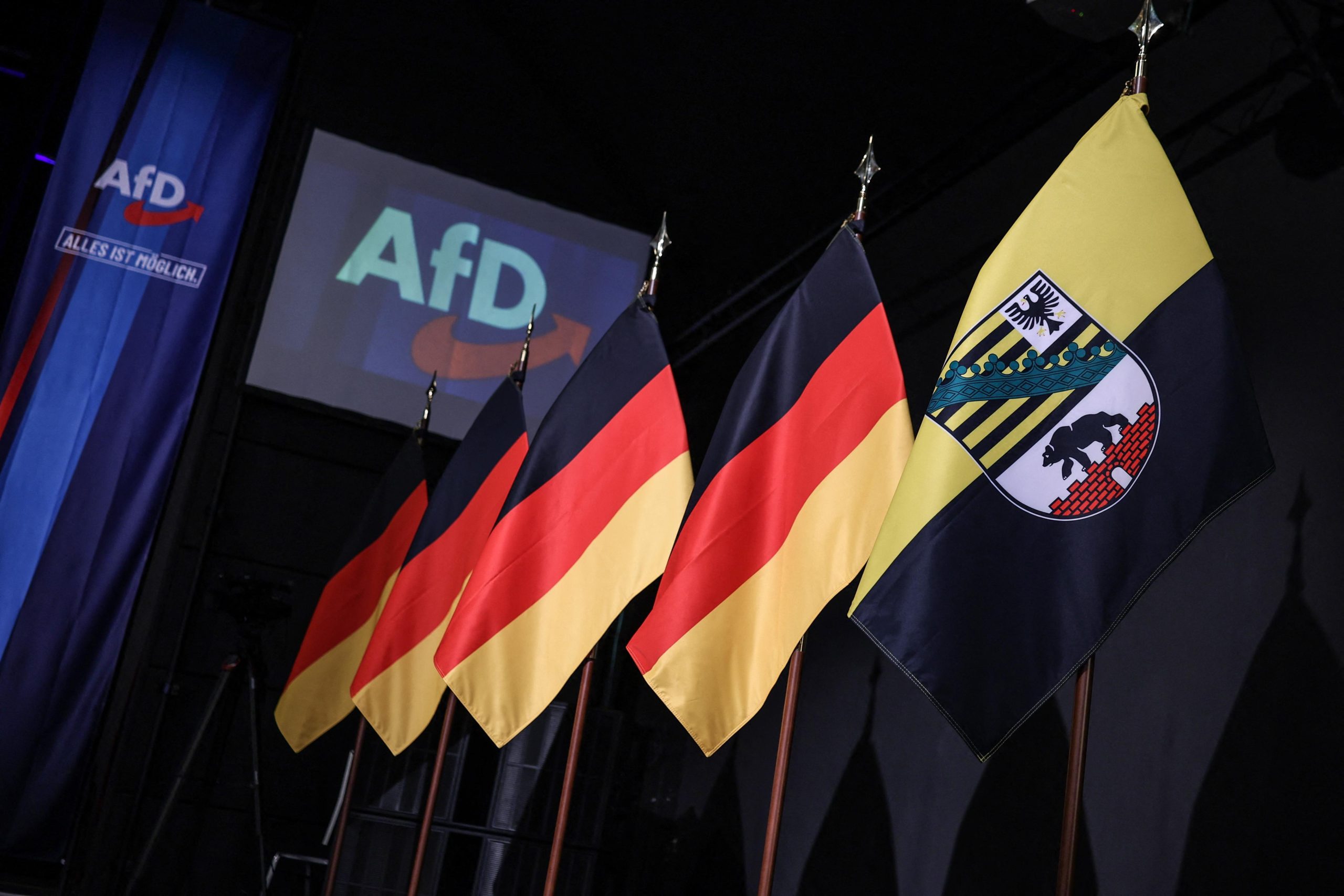
A significant electoral victory for Germany’s far-right Alternative for Germany (AfD) party in the state of Saxony-Anhalt has sent ripples of concern far beyond the country’s borders, potentially ushering in the first far-right government in Germany since the Nazi era. While local elections typically garner little international attention, this recent contest has proven to be a notable exception, highlighting a worrying trend in European politics.
The AfD, a party that has drawn the scrutiny of Germany’s own intelligence services due to its extremist leanings, secured a commanding 43.8% of the vote. This impressive showing, while falling just short of an outright majority, places the party in a strong position to negotiate coalition partnerships and potentially lead the state government. The implications of such an outcome are being closely watched by political observers worldwide, particularly given the historical context.
A Shifting Political Landscape
Saxony-Anhalt, a state with just over two million residents, may not be a major economic or political powerhouse within Germany, but its electoral outcome carries symbolic weight. The AfD’s success is indicative of a broader shift in the German political landscape, where populist and nationalist sentiments appear to be gaining traction. This surge in support for a party with a controversial ideology raises questions about the underlying factors contributing to its appeal, including economic anxieties, social integration challenges, and a perceived disconnect between mainstream political parties and a segment of the electorate.
The party’s platform often centers on strong anti-immigration stances, euroscepticism, and a nationalist agenda, elements that resonate with a portion of the German population. The fact that a party under surveillance by domestic intelligence agencies can achieve such a significant electoral mandate is a stark reminder of the complexities and challenges facing established democracies in the 21st century. The ongoing negotiations for coalition formation will be crucial in determining the immediate future of Saxony-Anhalt and could set a precedent for other regions.
International Reactions and Future Implications
The international community, including the White House, is reportedly monitoring the situation closely. The prospect of a far-right government in Germany, a cornerstone of European stability and a key player in global affairs, is a cause for considerable apprehension. This development could have far-reaching implications for German foreign policy, its role within the European Union, and its relationship with international allies. The rise of far-right movements across Europe has been a recurring theme in recent years, and the AfD’s success in Saxony-Anhalt adds another significant chapter to this ongoing narrative.
The long-term consequences of this electoral result remain to be seen. However, it underscores the need for a deeper understanding of the social and political forces driving such movements and for robust democratic institutions capable of addressing the concerns of all citizens while upholding fundamental values. The coming weeks and months will be critical in observing how these political developments unfold and what impact they will have on Germany and the wider global stage.
Based on materials: Vox



