
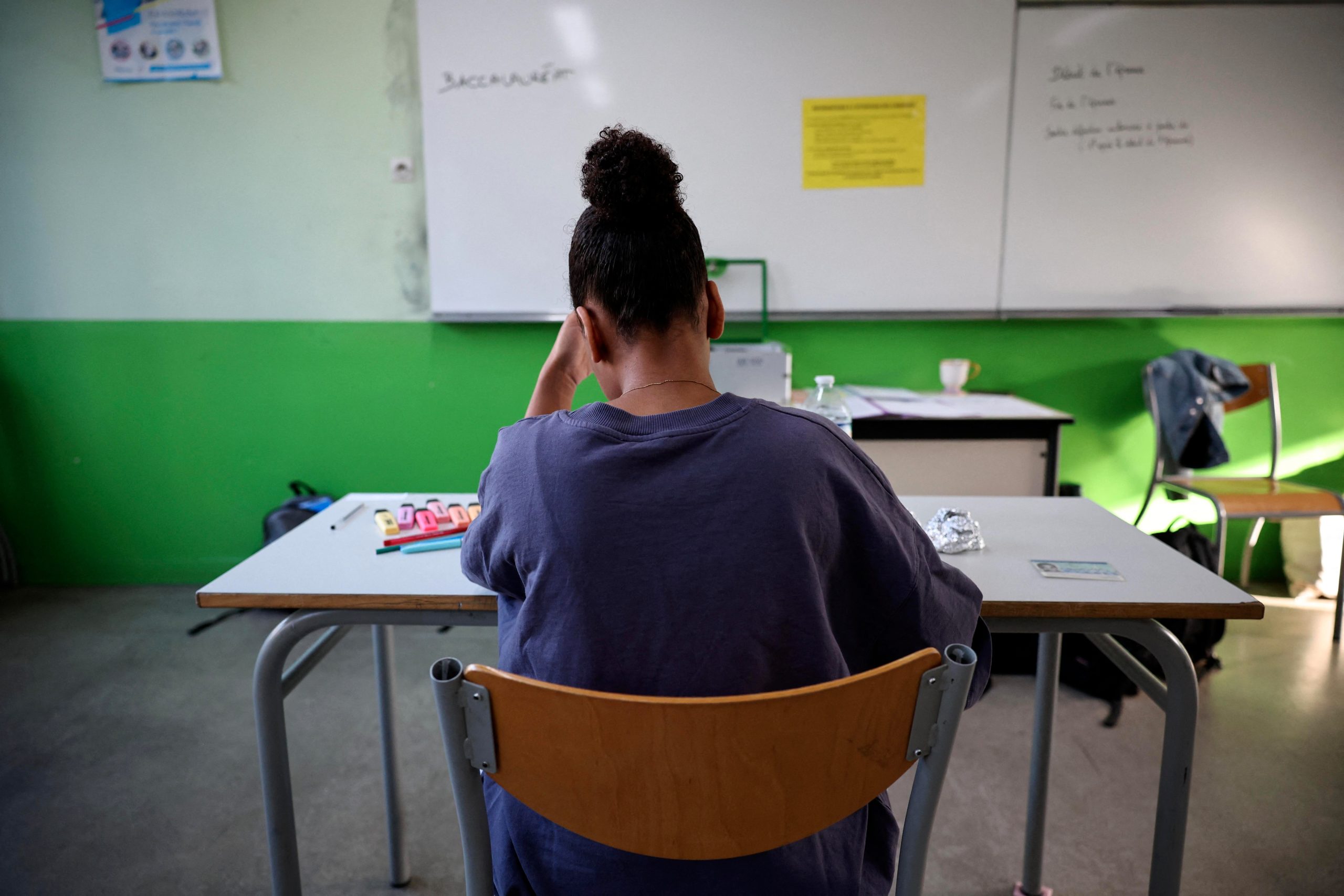
A stark new report has painted a concerning picture of academic performance worldwide, revealing a significant decline in core subjects among 15-year-old students. The Programme for International Student Assessment (PISA), a globally recognized benchmark for educational achievement, has delivered a grim report card, indicating the lowest scores since its inception in the early 2000s across math, reading, and science within the Organization for Economic Cooperation and Development (OECD) countries.
The findings, which have sent ripples of concern through educational communities, highlight a particularly sharp drop in reading proficiency. This decline is equivalent to more than a full year of schooling, a statistic that has fueled anxieties among educators and parents alike about the foundational skills of the current generation. While the report focuses on OECD nations, the implications are broad, raising questions about the effectiveness of educational systems in adapting to contemporary challenges.
The PISA Paradox: A Global Downturn
The PISA assessment, administered every three years, evaluates the academic abilities of 15-year-olds in participating countries. Its latest iteration, conducted by the OECD, reveals a consistent downward trend across all tested domains. Math and science scores have also seen a dip, but the precipitous fall in reading comprehension stands out as a critical concern. Experts point to a confluence of factors, including the lingering effects of the COVID-19 pandemic on schooling, evolving digital learning environments, and shifts in pedagogical approaches, as potential contributors to this global academic setback. The pandemic, in particular, disrupted traditional learning for extended periods, leading to widespread concerns about learning loss that this PISA report appears to validate on a grand scale.
Beyond the Numbers: Understanding the Decline
The reasons behind this widespread academic slump are complex and multifaceted. While the PISA report quantifies the decline, it also prompts a deeper investigation into the underlying causes. Teachers and educational psychologists are grappling with how to re-engage students and address deficits in fundamental literacy skills. The increasing prevalence of digital media and shorter attention spans among young people are often cited as challenges to developing deep reading comprehension. Furthermore, the report’s findings may also reflect broader societal shifts that impact how knowledge is acquired and processed. Addressing this requires not just remedial efforts but a re-evaluation of curriculum design, teaching methodologies, and the integration of technology in a way that genuinely supports, rather than hinders, learning.
Charting a Course for Recovery
The implications of these declining scores extend far beyond the classroom, potentially impacting future workforce readiness and societal progress. A generation struggling with basic reading comprehension may face significant hurdles in higher education, vocational training, and ultimately, in their careers. This report serves as a critical call to action for policymakers, educators, and parents to collaborate on strategies that can reverse this trend. Investing in teacher training, supporting innovative educational interventions, and fostering a renewed emphasis on literacy are crucial steps. While the global education landscape presents challenges, the PISA report, despite its grim findings, also offers an opportunity to identify weaknesses and collectively build more resilient and effective educational systems for the future. The focus must now shift from acknowledging the problem to actively implementing solutions that will equip students with the essential skills they need to thrive.
Based on materials: Vox



