
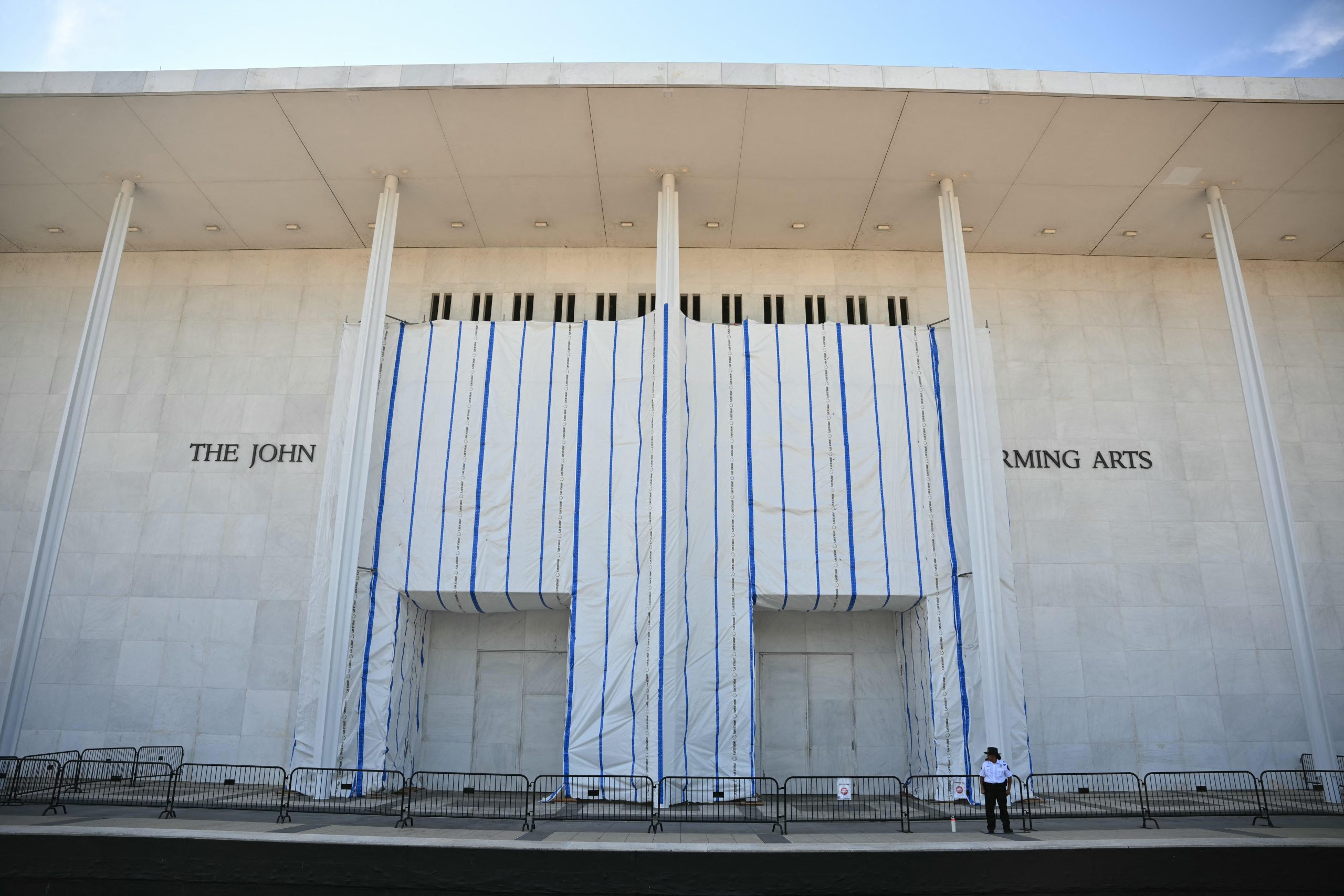
Washington D.C. – The iconic John F. Kennedy Center for the Performing Arts has abruptly ceased operations indefinitely, a move that follows a contentious dispute over the potential engraving of President Donald Trump’s name on the building’s facade. The board of the Kennedy Center announced the closure on Tuesday, citing severe financial distress and a state of dangerous disrepair within the venerable institution.
The decision comes after a federal judge reportedly ruled against attempts to emblazon Trump’s name onto the building, a move that some interpret as a symbolic rejection of the President’s perceived efforts to assert ownership over the national landmark. According to statements from the board, the lack of presidential support has rendered necessary renovations financially unfeasible, leading to the drastic measure of closing the center’s doors.
A National Treasure Faces Crisis
For years, the Kennedy Center has stood as a beacon of American arts and culture, hosting a vast array of performances and serving as a vital platform for artists across disciplines. The current financial predicament, coupled with the structural issues plaguing the building, paints a grim picture for the future of this cherished institution. The board’s assertion that significant renovations are impossible without presidential backing highlights a stark reality: the arts, even those with national prominence, are often subject to the whims of political priorities and funding.
The controversy surrounding the proposed name change has become a focal point for many, suggesting a deeper narrative at play. Critics argue that the push to associate the President’s name with the Kennedy Center is less about honoring the arts and more about a personal branding exercise. The subsequent closure, therefore, is viewed by some as a consequence of this divisive approach, leaving a national treasure vulnerable and its future uncertain.
The Broader Implications
This situation raises critical questions about the role of government in supporting the arts and the potential for political agendas to impact cultural institutions. The closure of the Kennedy Center, regardless of the specific justifications, sends a disquieting message about the value placed on national arts organizations. As the nation grapples with this development, the spotlight intensifies on the delicate balance between public funding, private patronage, and the political landscape that shapes the survival and prosperity of cultural landmarks. The coming days and weeks will undoubtedly reveal the true extent of the damage and the potential pathways, if any, toward reopening this vital hub of American creativity.
Based on materials: Vox



