
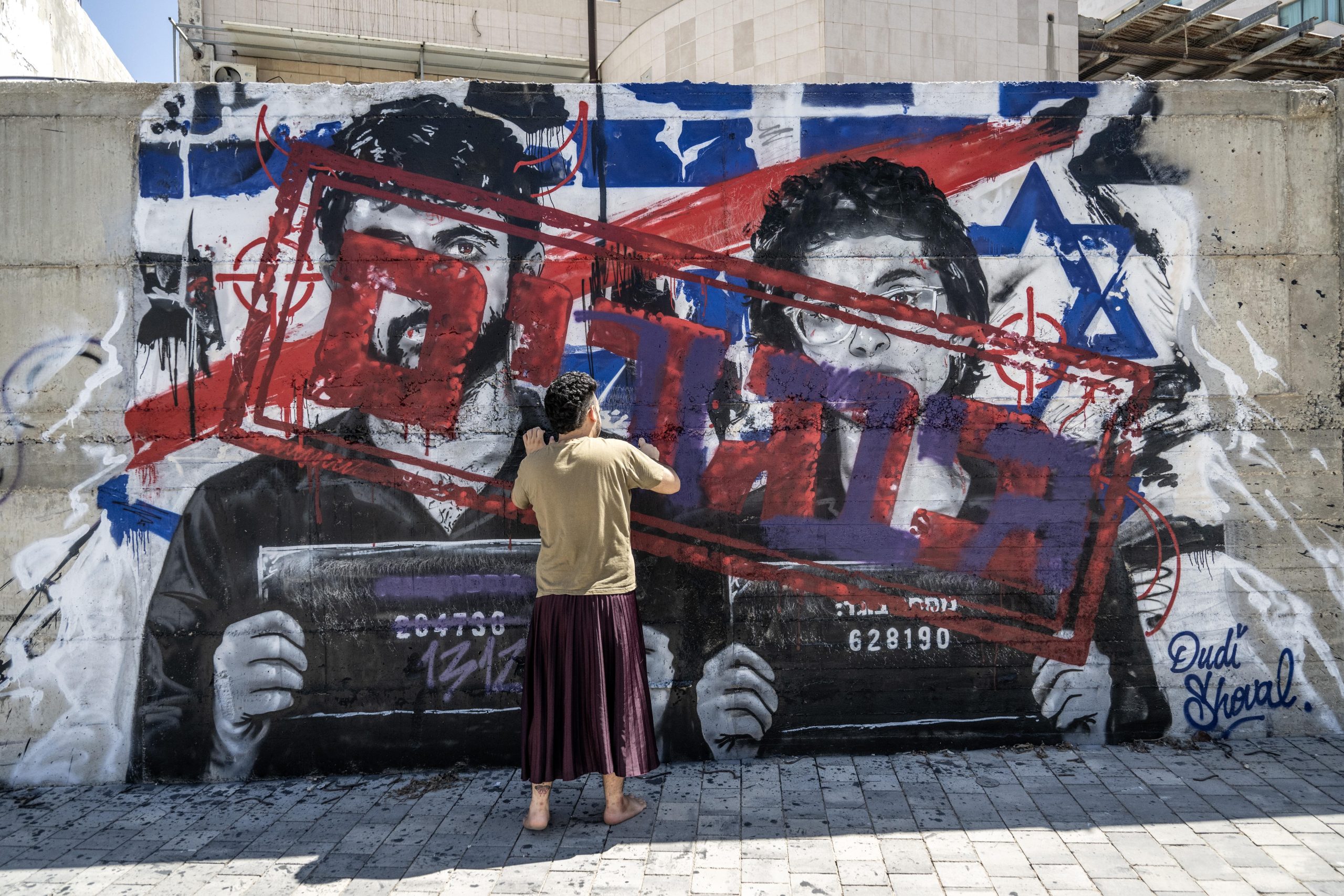
A powerful Israeli documentary, “NAZA,” is making waves internationally, receiving a remarkable 25-minute standing ovation at the Venice Film Festival. However, its reception within Israel is a stark contrast, igniting fierce debate and anger, even among those who haven’t yet seen the film.
The documentary, a creation of Israeli filmmakers Rachel Szor and Yuval Abraham, offers a chilling glimpse into the experiences of former Israeli intelligence agents and soldiers. Filmed against the backdrop of Tel Aviv rooftops, the film features 24 anonymous individuals recounting their actions and experiences in Gaza. Their testimonies are unflinching, with one officer recalling the demolition of a building housing 500 people to target a single individual. Interviewees also openly discuss the deliberate destruction of entire neighborhoods, acknowledging the devastating human cost. Shockingly, one subject goes as far as to suggest that Israel is committing genocide in Gaza.
A Divided Homeland
The international acclaim for “NAZA” has been met with a storm of criticism and condemnation from within Israel. Despite its powerful message and the emotional resonance it has found on the global stage, the film has been labeled by some Israeli officials and commentators as a betrayal of national interests and a distortion of reality. This backlash highlights a deep societal division regarding the ongoing conflict and Israel’s role in it. Critics argue that the film unfairly portrays Israeli soldiers and intelligence personnel, potentially fueling international criticism and harming the country’s reputation. Conversely, supporters laud the filmmakers for their courage in presenting a critical perspective and giving voice to potentially uncomfortable truths.
Unpacking the Controversy
The controversy surrounding “NAZA” extends beyond mere artistic critique; it touches upon sensitive issues of national identity, historical narrative, and the psychological impact of prolonged conflict. The anonymity of the interviewees adds another layer to the debate, with some questioning the authenticity and motivations of those speaking out. However, for others, their concealed identities underscore the potential risks they face for sharing their experiences, lending further weight to their testimonies. The film serves as a stark reminder that even within a society deeply invested in its own security and narrative, dissenting voices and challenging perspectives can emerge, forcing a re-examination of deeply held beliefs.
A Mirror to Society
“NAZA” has undeniably become a focal point for discussions about the Israeli-Palestinian conflict, both domestically and internationally. Its success at Venice and the ensuing furor in Israel underscore the power of documentary filmmaking to provoke dialogue, challenge established narratives, and hold a mirror to the complexities of human experience, especially in times of conflict. While the film may be divisive, its ability to generate such intense discussion is a testament to its impact and its potential to foster a deeper understanding, however uncomfortable, of the realities on the ground. The ongoing debate surrounding “NAZA” suggests that the conversations it initiates are far from over.
Based on materials: Vox



