
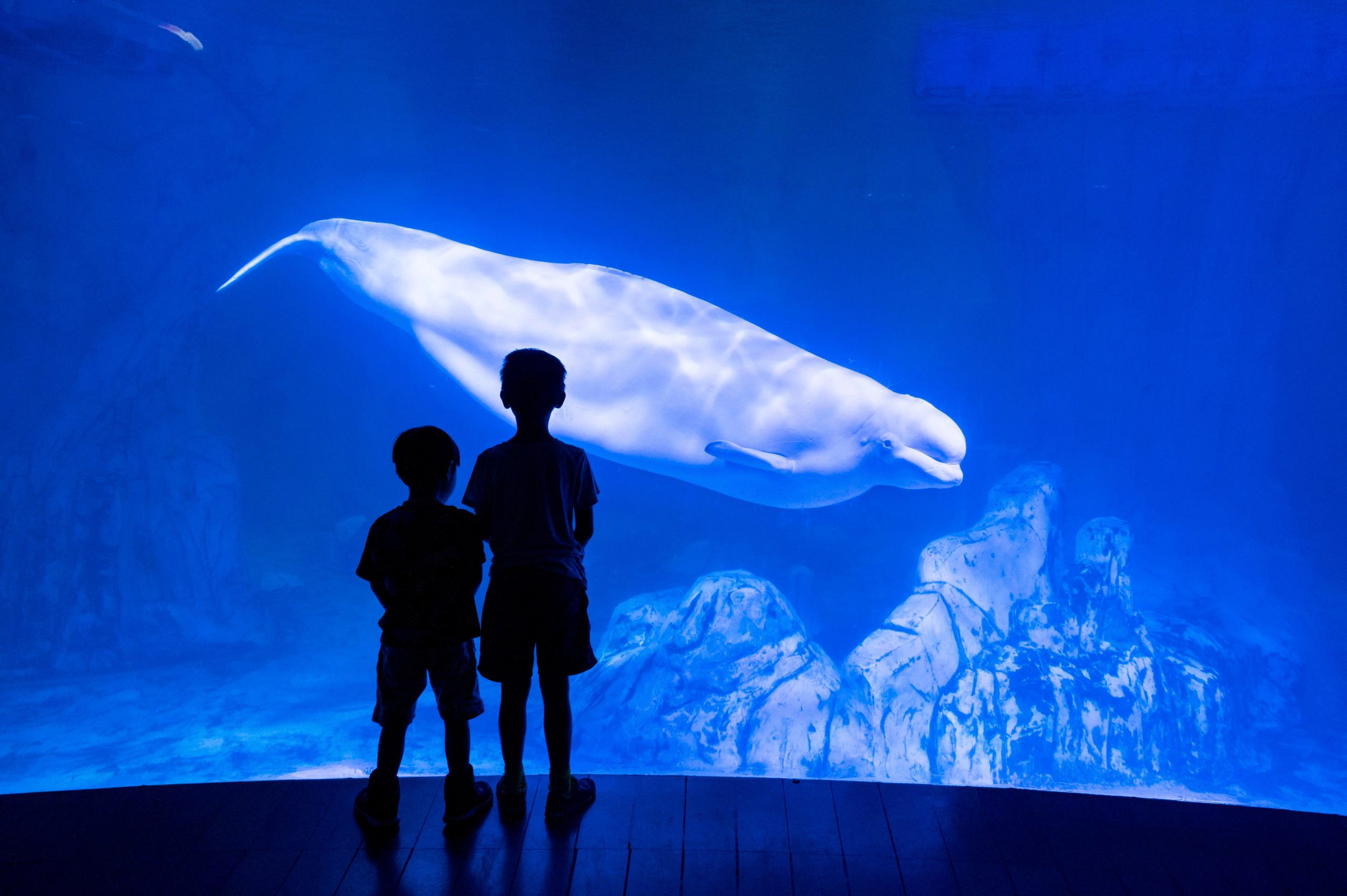
The recent spate of beluga whale deaths at Chicago’s Shedd Aquarium has ignited a crucial conversation about the ethical considerations surrounding marine life in captivity. Four beluga whales have died within a single month, prompting renewed scrutiny of aquariums and zoos as institutions.
A Troubling Pattern Emerges
The most recent loss was Osiris, a 26-year-old female, who passed away at the Shedd Aquarium just yesterday. Her death follows that of Beethoven, a 34-year-old beluga and long-term resident, and two younger whales, Rain (20 years old) and Peekachu (23 years old), who died in late August and early September. This cluster of deaths is particularly concerning given the Shedd Aquarium’s reputation as one of America’s premier institutions.
Osiris, Rain, and Peekachu were all part of a larger group of beluga whales and dolphins that were relocated following the closure of Marineland, a theme park that had faced significant controversy and scrutiny. The complex process of relocating and acclimatizing these animals to a new environment is inherently challenging, and the recent losses highlight the inherent risks involved in such endeavors. While aquariums often emphasize their role in conservation and education, these tragic events force a difficult reckoning with the welfare of the animals under their care.
Rethinking Captivity’s Role
The deaths of these beluga whales serve as a stark reminder of the complex realities of keeping highly intelligent and social marine mammals in artificial environments. Beluga whales, in particular, are known for their extensive social structures and vast ranges in the wild. Critics argue that even the most well-maintained aquarium environments cannot fully replicate the natural conditions necessary for their well-being, leading to stress, illness, and, tragically, premature death.
Proponents of aquariums often point to their contributions to research, rehabilitation efforts, and public education as vital justifications for their existence. They argue that these institutions provide opportunities for people to connect with marine life, fostering a sense of stewardship and inspiring conservation action. However, the recent fatalities at the Shedd Aquarium challenge this narrative, suggesting that the purported benefits may come at too high a cost to the animals themselves. The question now is whether the educational and conservation goals can truly be achieved without compromising the fundamental welfare of these magnificent creatures.
A Call for Deeper Examination
As the Shedd Aquarium grapples with the loss of its beluga whales, the broader implications for the future of zoological institutions are undeniable. This incident is not an isolated one; similar concerns have been raised at other aquariums and zoos around the world. The uncomfortable truth is that while aquariums may offer a window into the underwater world, they also present a complex ethical dilemma. The recent deaths of Osiris, Beethoven, Rain, and Peekachu are a somber call to action, urging us to engage in a more profound and critical examination of our relationship with captive wildlife and to advocate for a future where their well-being is the paramount consideration.
Based on materials: Vox



