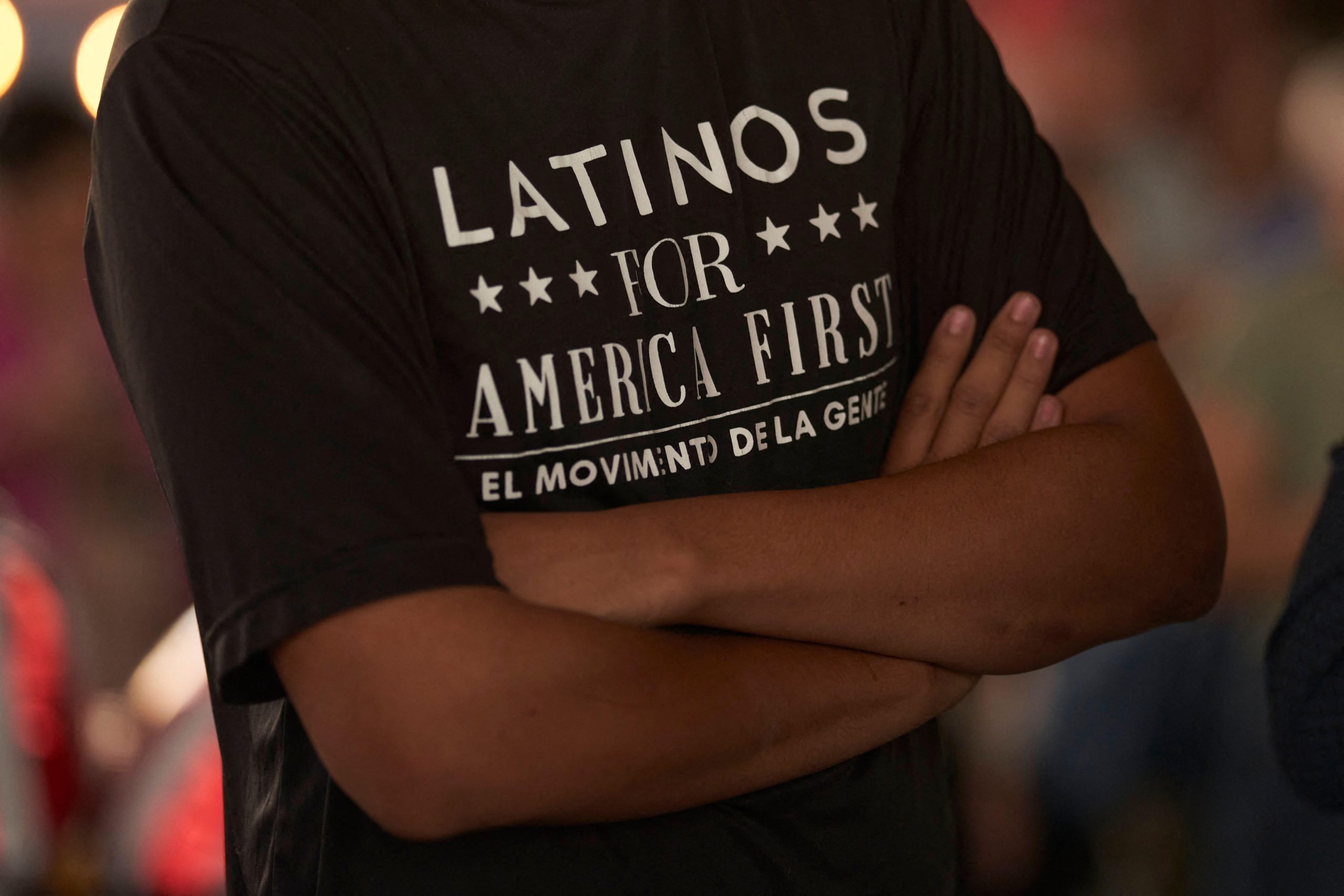
The demographic landscape of the United States is in constant flux, and nowhere is this more evident than in the evolving political allegiances of the Latino community. Far from being a monolithic voting bloc, Latino voters are demonstrating a dynamic and fluid engagement with the American political system, reshaping the traditional understanding of their role and influence. This growing segment of the electorate is no longer a guaranteed stronghold for any single party, but rather a powerful, moving force that is increasingly becoming the ultimate swing vote.
Beyond Traditional Alignment: A New Political Identity
For years, the narrative surrounding Latino voters often assumed a predictable alignment with the Democratic Party, fueled by assumptions about shared immigrant experiences and progressive values. However, recent electoral cycles have challenged this notion, revealing a more complex and nuanced political identity. The 2016 and 2024 presidential elections, in particular, highlighted a significant shift, with a notable portion of Latino voters either staying home or actively supporting Republican candidates, including former President Donald Trump. This departure from perceived norms has forced a reevaluation of what drives Latino political decisions, suggesting that factors beyond traditional party platforms are at play.
Key Drivers of a Changing Vote
Several interwoven factors are contributing to the dynamism of the Latino vote. Economic concerns, such as inflation, job security, and the cost of living, resonate deeply across various Latino subgroups, often transcending party lines. Issues like border security and immigration policy, while significant, are not universally viewed through a single lens. Different national origins, levels of acculturation, and generational experiences within the broader Latino community lead to diverse perspectives on these and other policy matters. Furthermore, the rise of a distinctly American-born Latino generation, with different priorities and political socialization, is also a critical element in understanding this evolving electorate. Campaigns that fail to acknowledge this internal diversity and address the specific concerns of various Latino communities risk alienating a crucial segment of voters.
The Future of the Latino Swing Vote
The implications of this shifting political landscape are profound for both major parties. For Democrats, the challenge lies in re-engaging a segment of voters they have long considered reliable, while for Republicans, the opportunity exists to build on recent gains and expand their appeal. The Latino vote, therefore, represents a significant prize in close elections, making outreach and understanding paramount. As the Latino population continues to grow and diversify, their influence as the nation’s largest swing vote is only likely to increase. Future electoral victories may well hinge on which party can most effectively understand, connect with, and earn the trust of this vital and dynamic segment of the American electorate.
SOURCE: Vox
Based on materials: Vox