
The United States’ perception of China is undergoing a significant transformation, mirroring a notable shift in President Donald Trump’s own rhetoric. This evolving sentiment comes as the two global powers agree to extend a pause in their protracted trade war, signaling a potential de-escalation in economic tensions.
A Diplomatic Overture and Shifting Public Opinion
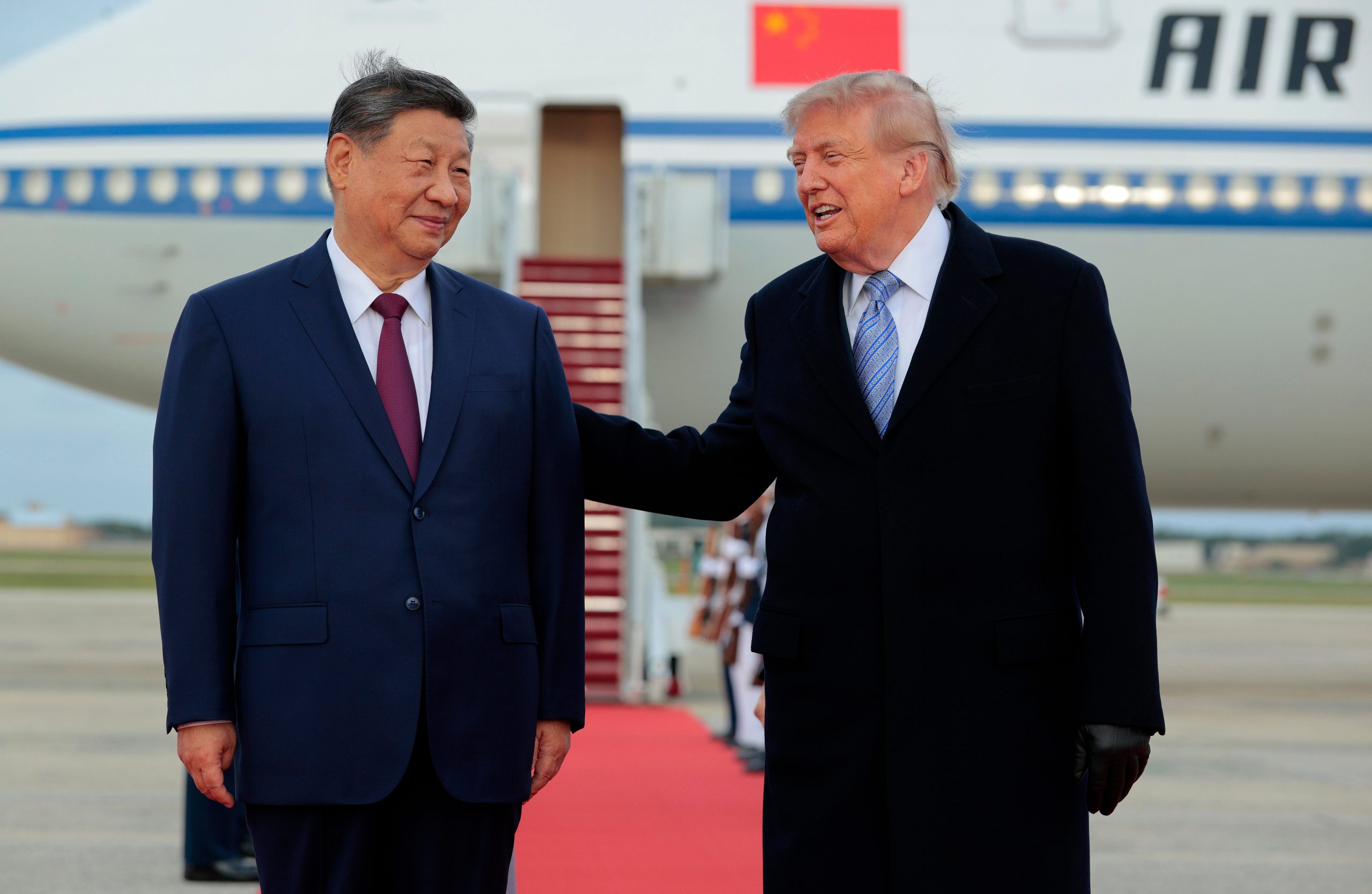
President Trump recently extended a notably warm welcome to Chinese President Xi Jinping upon his arrival at Maryland’s Joint Base Andrews. This formal greeting, complete with military honors, stands in stark contrast to previous characterizations of Xi as an “enemy.” This diplomatic gesture appears to be resonating with the American public, as recent data indicates a more favorable view of China among Americans over the past five years. This about-face in public sentiment is a crucial development, offering a backdrop to the ongoing high-level discussions between the two nations. The extended pause in the trade war, a key point of contention, suggests a mutual interest in stabilizing the economic relationship, at least in the short term.
Navigating Complex Geopolitical Waters
The renewed focus on diplomacy and a more measured public stance coincide with a period of intense negotiation. While the immediate agreement to extend the trade war pause offers a temporary reprieve, the underlying complexities of the US-China relationship remain. Issues such as intellectual property rights, market access, and geopolitical influence continue to be points of friction. The willingness of both leaders to engage in dialogue, however, suggests an acknowledgment of the interconnectedness of their economies and the potential consequences of sustained conflict. This shift in tone could pave the way for more substantive discussions on these deeper challenges, though the path forward is likely to be fraught with negotiation and compromise.
Implications for the Global Stage
The evolving US-China dynamic has far-reaching implications beyond bilateral relations. As the two largest economies in the world, their approach to trade, technology, and international policy significantly impacts global markets and geopolitical stability. A less confrontational stance could foster greater international cooperation on shared challenges, from climate change to global health. Conversely, any breakdown in these renewed efforts could lead to increased uncertainty and economic disruption worldwide. The current warming of relations, driven by both political strategy and public sentiment, presents an opportunity for a more constructive engagement, but the long-term trajectory will depend on the ability of both nations to navigate their differences effectively.
SOURCE: Vox
Based on materials: Vox



