
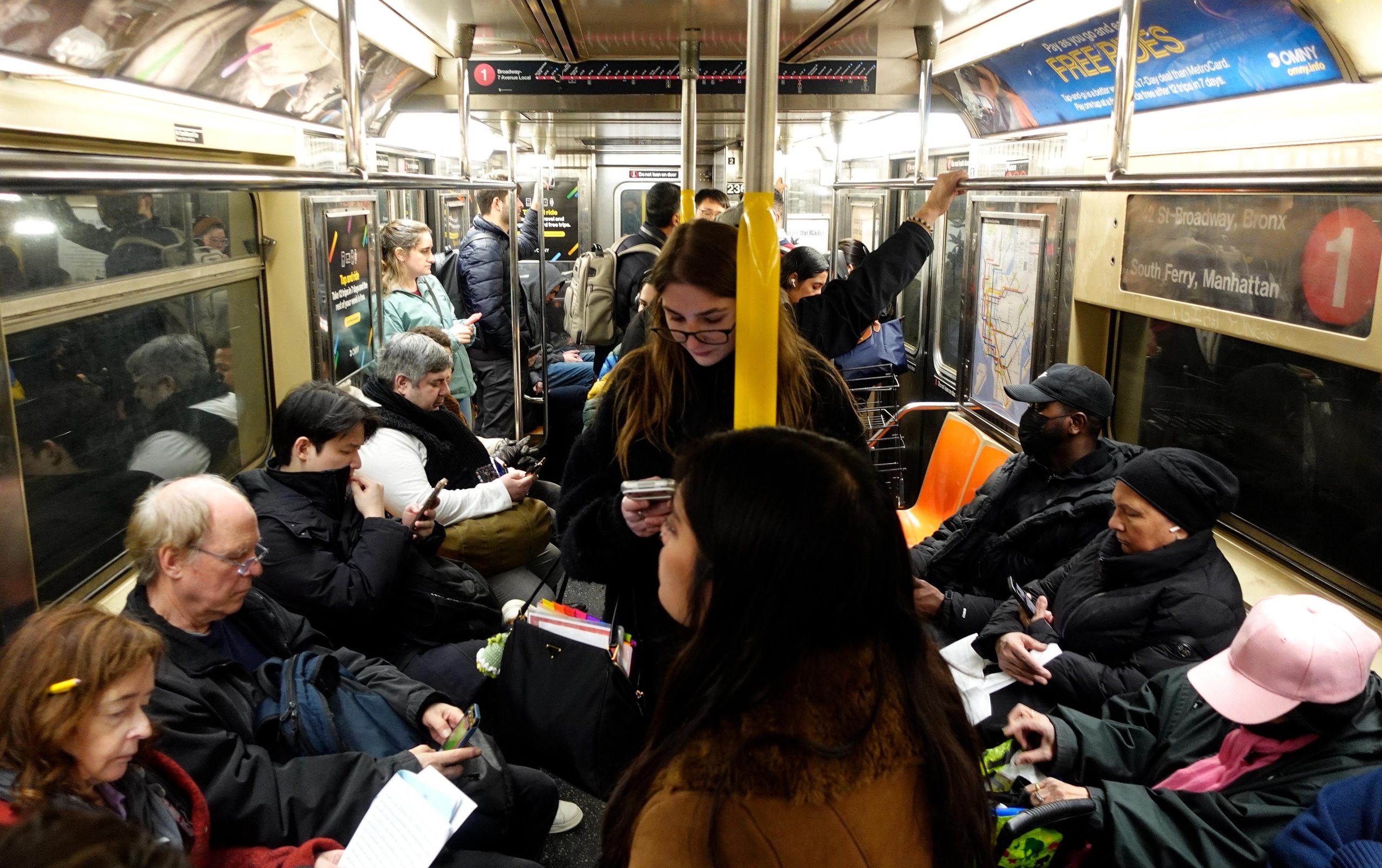
The daily commute, often a mundane ritual, can sometimes become a stark reminder of societal shifts. For one commuter, a simple trip on the metro transformed into a moment of profound irritation, sparking a wider contemplation of declining public etiquette. The incident, where a fellow passenger aggressively cut in line, cutting short a moment of consideration for others, is not an isolated one. This seemingly small act of disregard has become emblematic of a broader trend, with nearly half of Americans reporting an increase in rudeness since the COVID-19 pandemic.
The Erosion of Social Graces
From airport queues to public transport, instances of inconsiderate behavior appear to be on the rise. The author’s experience on the metro, though ultimately resulting in catching the train, left a lingering sense of indignation. The question arises: why do basic lessons of patience and respect, often learned in childhood, seem to be forgotten or disregarded in adulthood? This isn’t just about minor inconveniences; it speaks to a potential breakdown in the unwritten social contracts that govern our interactions in shared spaces. The pandemic, while necessitating significant societal adjustments, may have inadvertently accelerated a decline in the collective consciousness of how we ought to treat one another.
A Professor’s Perspective on Unreasonableness
Kirsty Sedgman, a professor at the University of Bristol and author of “On Being Unreasonable,” offers a scholarly lens through which to examine this phenomenon. Her work delves into the motivations and implications of unreasonable behavior, suggesting it’s not always a simple matter of malice. Instead, understanding the roots of why people act in ways that disregard others is crucial. Factors such as heightened stress, a sense of entitlement, or simply a lack of awareness can contribute to these lapses in etiquette. Sedgman’s research provides valuable insight into the psychological underpinnings of why individuals might prioritize their immediate needs over the harmony of the collective.
Reclaiming Civility in Public Life
The resurgence of polite behavior in public spaces is not merely a matter of personal preference; it is fundamental to fostering a more pleasant and functional society. While the pandemic may have presented unique challenges, the responsibility to uphold basic courtesies remains. This involves a conscious effort from individuals to be mindful of those around them, to practice patience, and to engage with others in a respectful manner. As we navigate the post-pandemic world, a collective commitment to re-establishing and reinforcing norms of civility could be one of the most impactful ways to improve our shared experiences, transforming frustrating commutes and everyday interactions into more agreeable ones.
SOURCE INFORMATION:
TITLE: Wait, what are the rules around cellphone etiquette now?
DESCRIPTION: Recently, while taking the metro to work, I encountered something that shocked me. The train was pulling up, just as the man in front of me tapped to pay to go through the gate, and a woman pushed past me to cut me in line. I still made the train (after I briefly considered acting […]
CONTENT: Recently, while taking the metro to work, I encountered something that shocked me. The train was pulling up, just as the man in front of me tapped to pay to go through the gate, and a woman pushed past me to cut me in line. I still made the train (after I briefly considered acting in a way that would have made us both late for work), but as I passed each stop I got angrier and angrier. Why did she think her commute was more important than someone else’s? We learn to wait our turn when we’re children — why was that lesson lost all these years later? I’m not the only one irritated by this kind of thing. Almost half of Americans say that they’ve noticed people are ruder in the wake of the Covid pandemic. Whether it’s poor behavior at the airport or blasting music from your phone with no headphones in public, it’s like people don’t know how to act anymore. Kirsty Sedgman is a professor at the University of Bristol and the author of the book On Being Unreasonable
SOURCE: Vox
Based on materials: Vox



