
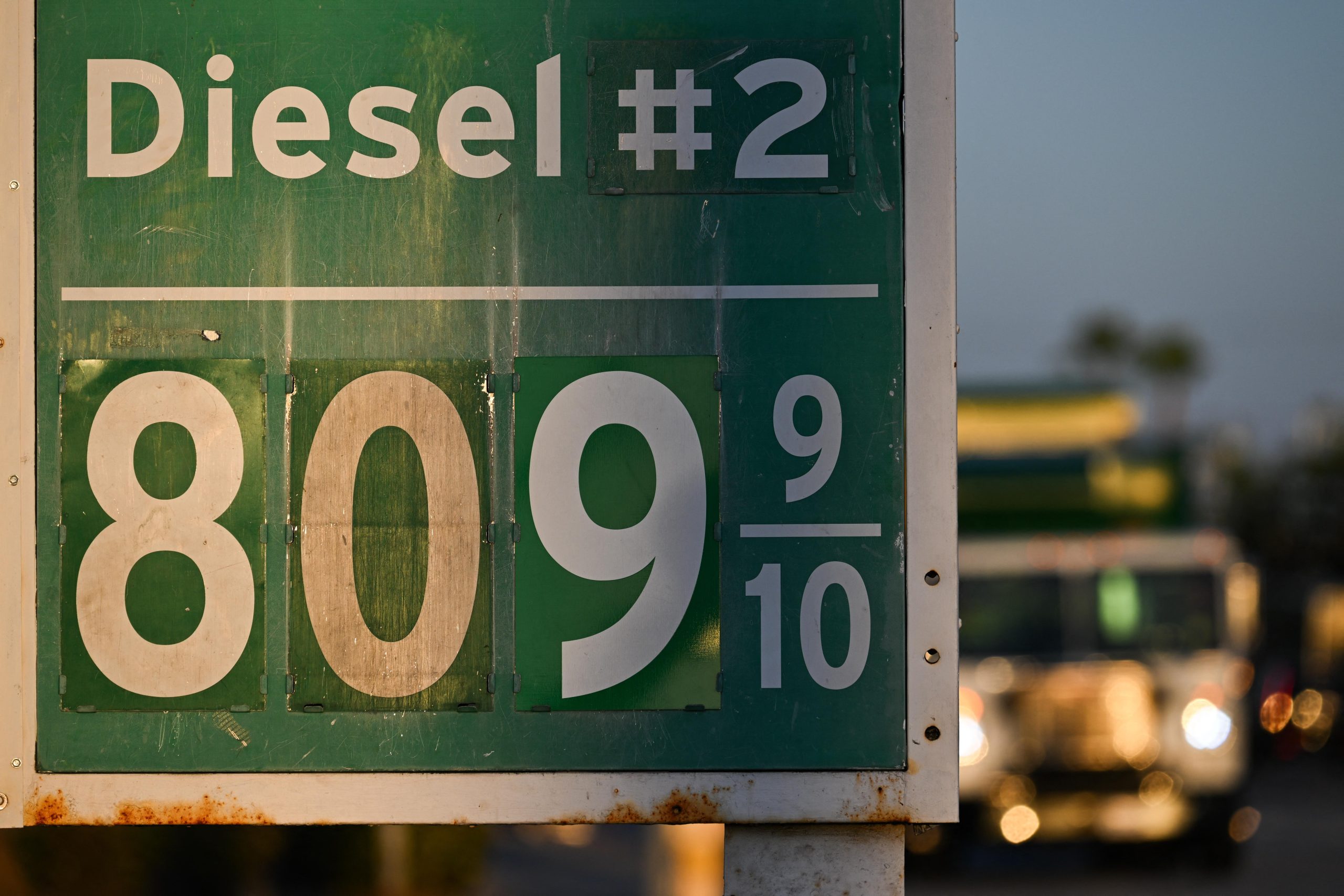
While the nation’s attention often fixates on the fluctuating cost of gasoline, a more insidious economic threat is brewing in the shadow of diesel prices. This often-overlooked fuel, the essential artery for transportation, agriculture, and a vast swathe of heavy industry, has seen a significant price surge, portending wider economic repercussions that extend far beyond the trucking and farming sectors.
The recent escalation in diesel costs, exacerbated by geopolitical tensions like the conflict with Iran, is quietly creating an “economic time bomb,” according to industry observers. Unlike gasoline, which directly impacts the daily commute for many Americans, diesel’s influence is more foundational. It powers the trucks that deliver the vast majority of goods across the country, the tractors that cultivate our food, and the machinery that underpins critical infrastructure projects. This means that as diesel prices climb, so too do the operational costs for businesses across nearly every sector.
The Invisible Hand of Diesel Costs
Nathan Bomey, a business reporter at Axios, highlighted this crucial point in a recent discussion, explaining that “most products in America are shipped along the road via trucks.” Consequently, any increase in diesel prices “directly affect their cost of doing business.” This impact, he elaborated, “then eventually trickles down and affects the consumer.” This ripple effect means that price hikes at the pump for diesel fuel are not just a concern for truckers and farmers; they represent a growing burden on the entire economy, potentially leading to inflation and reduced consumer spending.
Behind the Price Surge
Several factors are contributing to this concerning trend. Geopolitical instability, as seen with the conflict in Iran, can disrupt global oil supplies, impacting the price of crude oil, the primary component of diesel. Furthermore, increased demand for diesel in sectors rebounding from economic slowdowns, coupled with potential supply chain bottlenecks in refining and distribution, can further squeeze availability and drive up prices. The intricate web of global energy markets means that a disruption in one area can have unforeseen consequences elsewhere, making the reliable and affordable supply of diesel a critical economic concern.
Broader Economic Ramifications
The implications of sustained high diesel prices extend beyond mere inconvenience. For businesses, it means higher operating expenses, which can lead to reduced profitability, slower expansion, and even layoffs. For consumers, it translates into higher prices for a wide range of goods, from groceries to manufactured products, diminishing purchasing power and potentially dampening overall economic growth. Moreover, for a nation heavily reliant on efficient logistics and a robust agricultural sector, any disruption to the flow of goods and services due to fuel costs can have significant national security and economic stability implications. As the nation grapples with the visible impact of gasoline prices, the less apparent, but equally potent, threat posed by rising diesel costs demands urgent attention and strategic consideration.
Based on materials: Vox



