
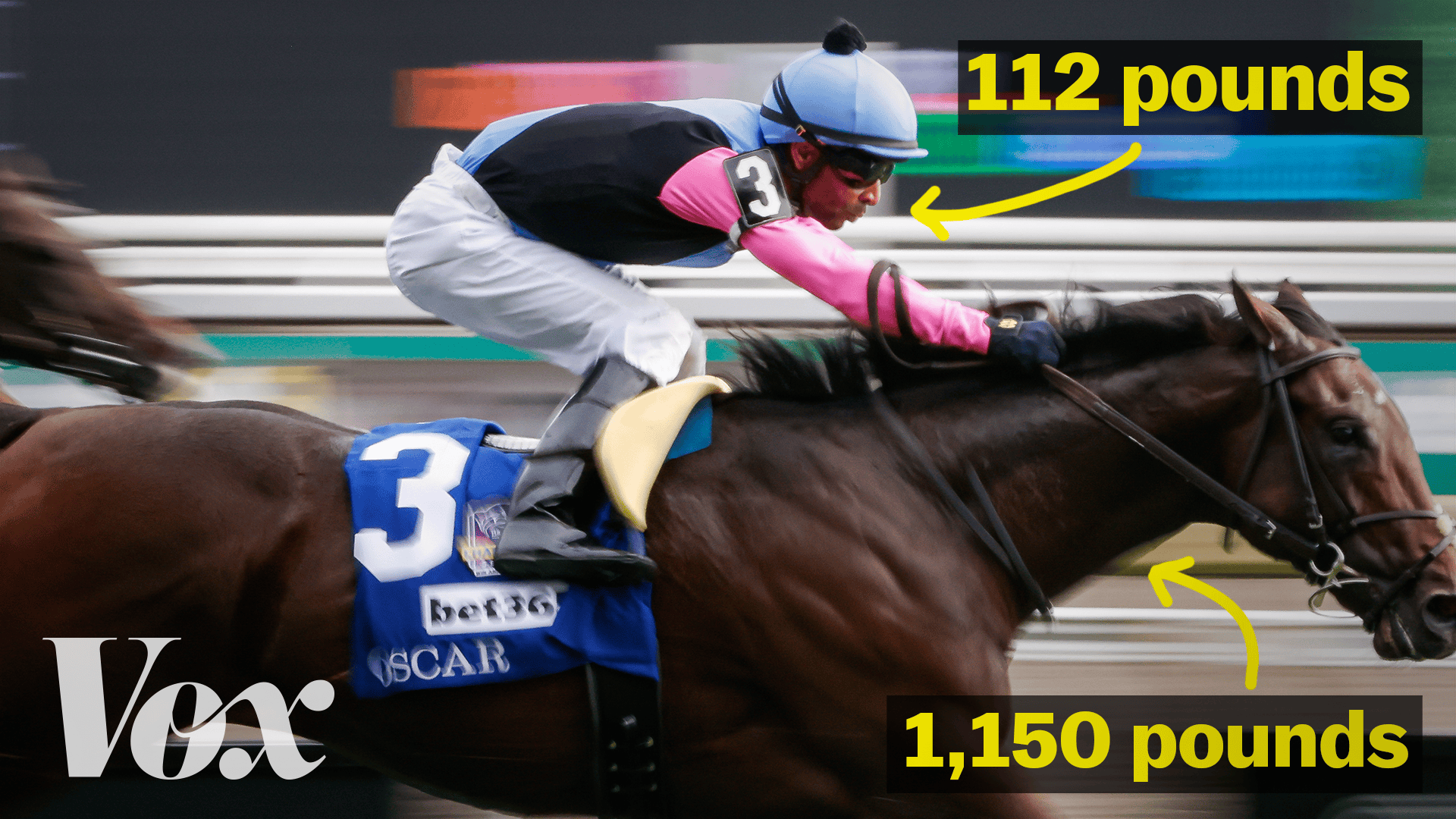
Horse racing, a sport steeped in tradition and thrilling spectacle, is also one that inherently places immense pressure on its two most vital participants: the jockey and the horse. This high-speed ballet, where a half-ton animal propels its rider at speeds approaching 40 miles per hour, hinges precariously on the peak health and performance of both. But beyond the roar of the crowd and the thunder of hooves, a silent revolution is underway, leveraging cutting-edge wearable technology and sophisticated sports medicine to redefine safety and performance in this demanding arena.
Bridging the Gap: Equine Health and Performance
The well-being of the equine athlete is paramount, and advances in veterinary science are offering unprecedented insights. Dr. Sara Langsam, an equine veterinarian and chair of the American Association of Equine Practitioners Racing Committee, explains that understanding the horse’s physiological response to training and racing is crucial for injury prevention. “We’re moving beyond just treating injuries to proactively identifying potential issues,” Dr. Langsam notes. “Wearable sensors, much like those used in human athletics, are now being developed and tested for horses. These can monitor everything from heart rate and stride length to gait abnormalities, providing real-time data that can alert trainers and veterinarians to subtle changes that might indicate an impending problem.” This data-driven approach allows for earlier intervention, potentially averting catastrophic injuries that have long plagued the sport. Furthermore, advancements in equine sports medicine, including improved diagnostic imaging and more targeted rehabilitation techniques, are enabling faster and more effective recovery when injuries do occur.
The Jockey’s Edge: Physicality and Reflexes
Equally critical is the physical and mental condition of the jockey. Michaela Keener, a jockey health researcher at the University of Kentucky, emphasizes that the jockey is not merely a passenger but an active participant whose own physical prowess directly impacts the safety of both rider and horse. “A jockey needs an incredible combination of strength, endurance, balance, and lightning-fast reflexes,” Keener states. “Poor physical conditioning can lead to compromised technique, making it harder to control the horse, especially in high-pressure situations. This can increase the risk of falls and potentially cause the horse to stumble or even suffer a leg injury.” Research is now focusing on developing specific training regimens and nutritional plans tailored to the unique demands of jockeys. Additionally, wearable technology for jockeys is becoming more sophisticated, monitoring not just physical exertion but also factors like hydration and even cognitive performance, which is essential for split-second decision-making during a race.
A Symbiotic Future
The integration of advanced technology and a deeper understanding of sports medicine are forging a more symbiotic relationship between the human and equine athletes. By meticulously monitoring and optimizing the health and performance of both, the racing industry is not only striving to reduce injuries but also to enhance the overall racing experience. This dual focus on the well-being of every participant, from the powerful thoroughbred to the agile jockey, signals a promising evolution for horse racing, one that prioritizes safety and longevity alongside the pursuit of victory. The future of the sport lies in this intelligent partnership, ensuring that both stars of the track can perform at their best, for longer and with greater security.
Based on materials: Vox



