
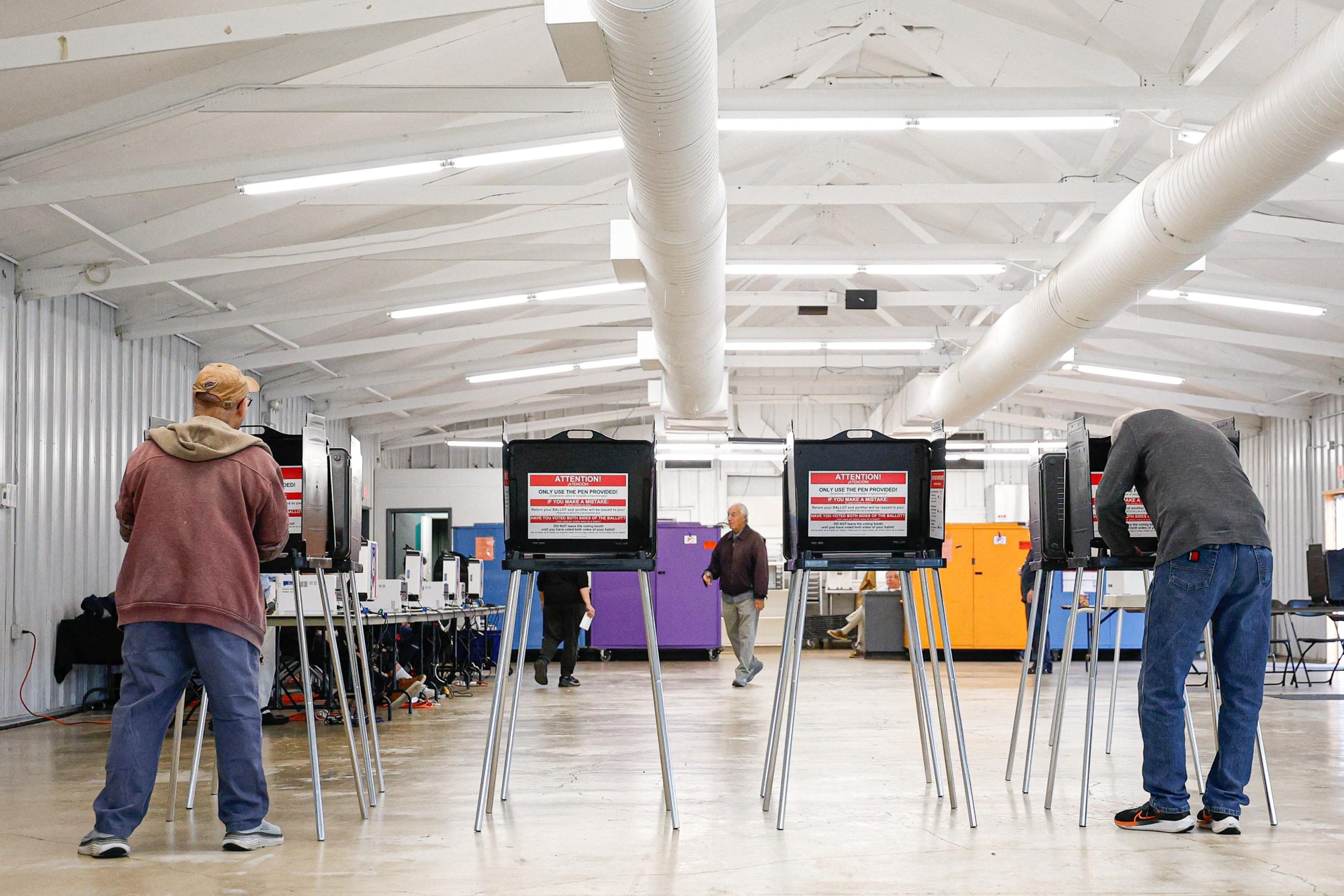
As the midterm elections loom, Americans are gearing up to cast their ballots and determine the balance of power in Congress and numerous state and local offices. This pivotal electoral event, less than six weeks away, carries significant weight, particularly in its potential to shape the checks and balances on presidential authority. The political landscape, however, is not static; both major parties have undergone notable transformations since the last major electoral cycle, influencing voter perceptions and campaign strategies.
Shifting Ideological Sands
The Democratic Party, in recent years, has seen a more pronounced embrace of progressive ideals. While historically a broad coalition, there’s been a growing emphasis on issues like climate action, social justice, and economic inequality. This shift, driven in part by a younger and more diverse electorate, has pushed some policy discussions further left, influencing debates on healthcare, student debt, and environmental regulations. Simultaneously, the party is working to maintain its appeal to more centrist voters, navigating the complexities of a diverse voter base.
On the Republican side, the party’s trajectory has been significantly shaped by the rise of Donald Trump. This has led to a strong focus on nationalistic policies, immigration control, and a more populist appeal. The emphasis has shifted from traditional conservative fiscal principles to a more protectionist economic stance and a questioning of established international alliances. This evolution has galvanized a core base but also presented challenges in appealing to suburban voters and those who prioritize a more traditional approach to governance.
The Evolving Voter and Campaign Tactics
Beyond party platforms, the very nature of political engagement and campaigning has been altered. The proliferation of social media has created new avenues for direct communication but also fostered echo chambers and amplified partisan divisions. Campaigns are now more reliant on micro-targeting voters through digital platforms, often employing sophisticated data analytics to tailor messages. This has led to an increasingly personalized, and at times fragmented, political discourse.
Furthermore, the tone of political debate has become more polarized. Norms of civility and compromise have been tested, with elections often framed as existential battles rather than opportunities for policy debate. This heightened polarization can influence voter turnout and the willingness of individuals to engage with opposing viewpoints. As voters prepare to head to the polls, they will be assessing not just policy proposals but also the fundamental direction and character of each party in this evolving political climate.
Implications for the Midterms
The transformations within both parties have direct implications for the upcoming midterms. The Democratic Party will likely highlight its progressive agenda, aiming to mobilize younger voters and those concerned with social and environmental issues. They will also need to address concerns about economic stability and national security. The Republican Party, meanwhile, will likely lean into its populist message, emphasizing border security, economic nationalism, and a critique of current administration policies.
Ultimately, the success of each party in the midterm elections will depend on their ability to connect with a broad spectrum of voters, navigate the complexities of a polarized electorate, and articulate a compelling vision for the country’s future. The outcomes will not only determine congressional control but also provide a significant indicator of the ongoing evolution of American political identity.
Based on materials: Vox



