
The Supreme Court is poised to issue a ruling that could dramatically alter the landscape of climate change litigation in the United States. At the heart of the matter lies
Suncor Energy v. County Commissioners of Boulder County
, a case where two major oil companies are seeking to halt numerous climate-related lawsuits currently playing out in state courts. The potential implications of the Court’s decision are vast, threatening to derail efforts to hold fossil fuel companies accountable for their role in the climate crisis and costing the industry potentially billions of dollars.
The Judicial Tightrope: Conservative Ideals vs. Legal Precedent
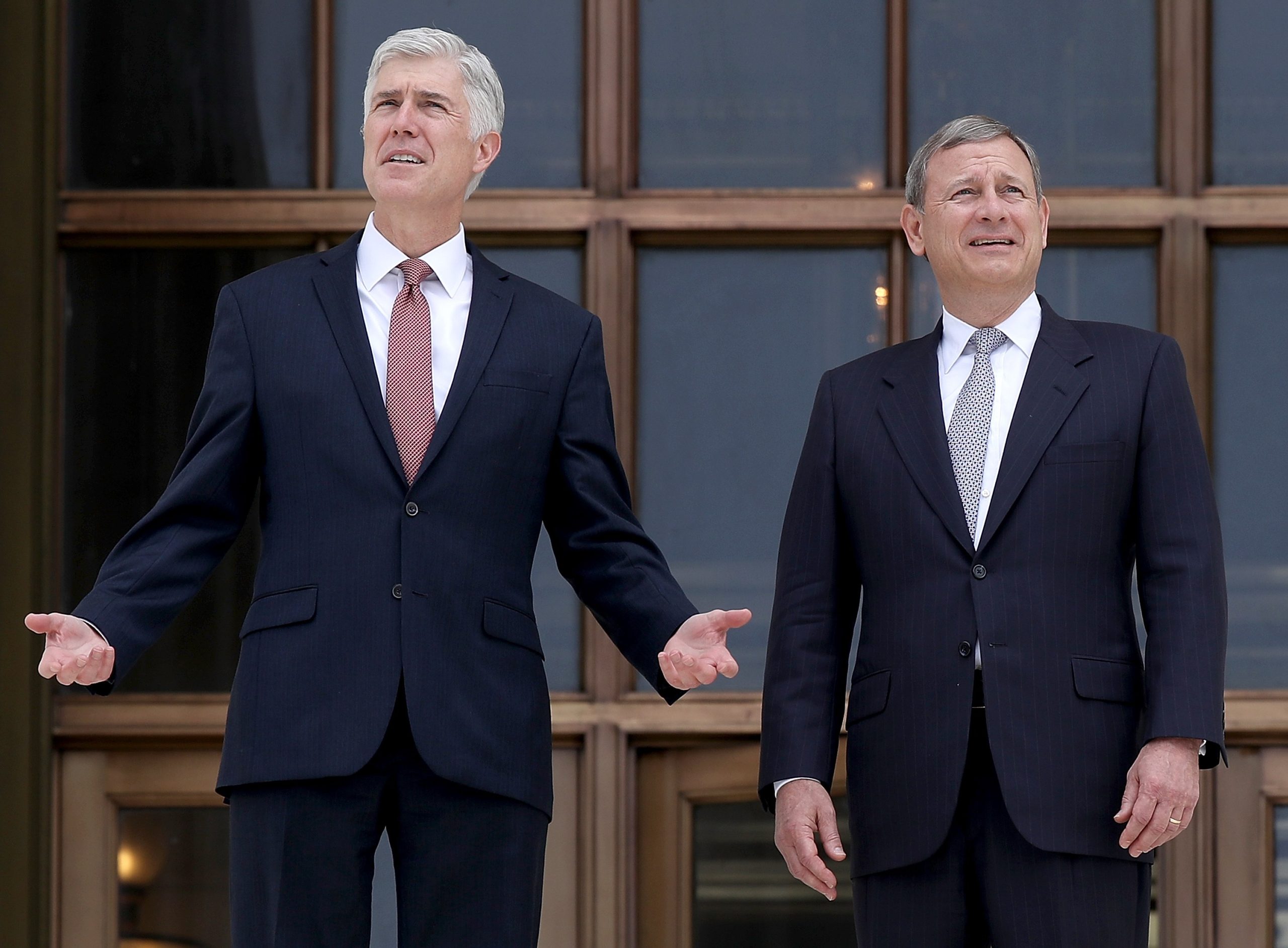
At the center of this high-stakes legal battle is Chief Justice John Roberts, whose judicial philosophy appears to be navigating a complex internal debate. One aspect of his judicial persona, shaped by a career advocating for corporate interests, views the escalating climate lawsuits with alarm. These cases, which accuse oil giants of contributing to global warming and its devastating consequences, carry the potential for immense financial liabilities. The other facet of Roberts’ judicial identity, however, is that of a jurist bound by the law, tasked with applying legal principles wherever they may lead. This latter inclination seemed evident as the oil industry presented its arguments in the
Suncor
case, with some observers noting an apparent bewilderment from the bench regarding the companies’ legal reasoning.
The Stakes for Climate Accountability
The outcome of the
Suncor
case is not merely an academic exercise; it represents a critical juncture for climate accountability in the U.S. If the oil industry’s arguments prevail, it could effectively slam the door on dozens of climate change lawsuits currently being pursued in state courts. This would be a significant blow to plaintiffs – often states, counties, or municipalities – who are seeking compensation for climate-related damages such as rising sea levels, extreme weather events, and infrastructure costs. Furthermore, the ruling could create a chilling effect, potentially preventing such suits from being brought at all, as the legal avenues for pursuing these claims in federal courts remain uncertain.
A Precedent-Setting Decision
The Supreme Court’s involvement in
Suncor
signifies a potential shift in how climate change impacts will be addressed through the legal system. For years, plaintiffs have been attempting to sue fossil fuel companies under various legal theories, including public nuisance, to recoup the costs associated with climate change. These cases have faced numerous procedural hurdles, including attempts by defendants to remove them to federal court, where they have often been dismissed. The
Suncor
case centers on whether these state-level climate lawsuits can be preempted by federal law or otherwise barred by federal jurisdiction. The Court’s decision will not only determine the fate of the current lawsuits but also set a powerful precedent for future legal challenges against industries accused of environmental harm. The nation, and indeed the world, will be watching closely to see which wolf ultimately guides the Court’s hand.
Based on materials: Vox



