
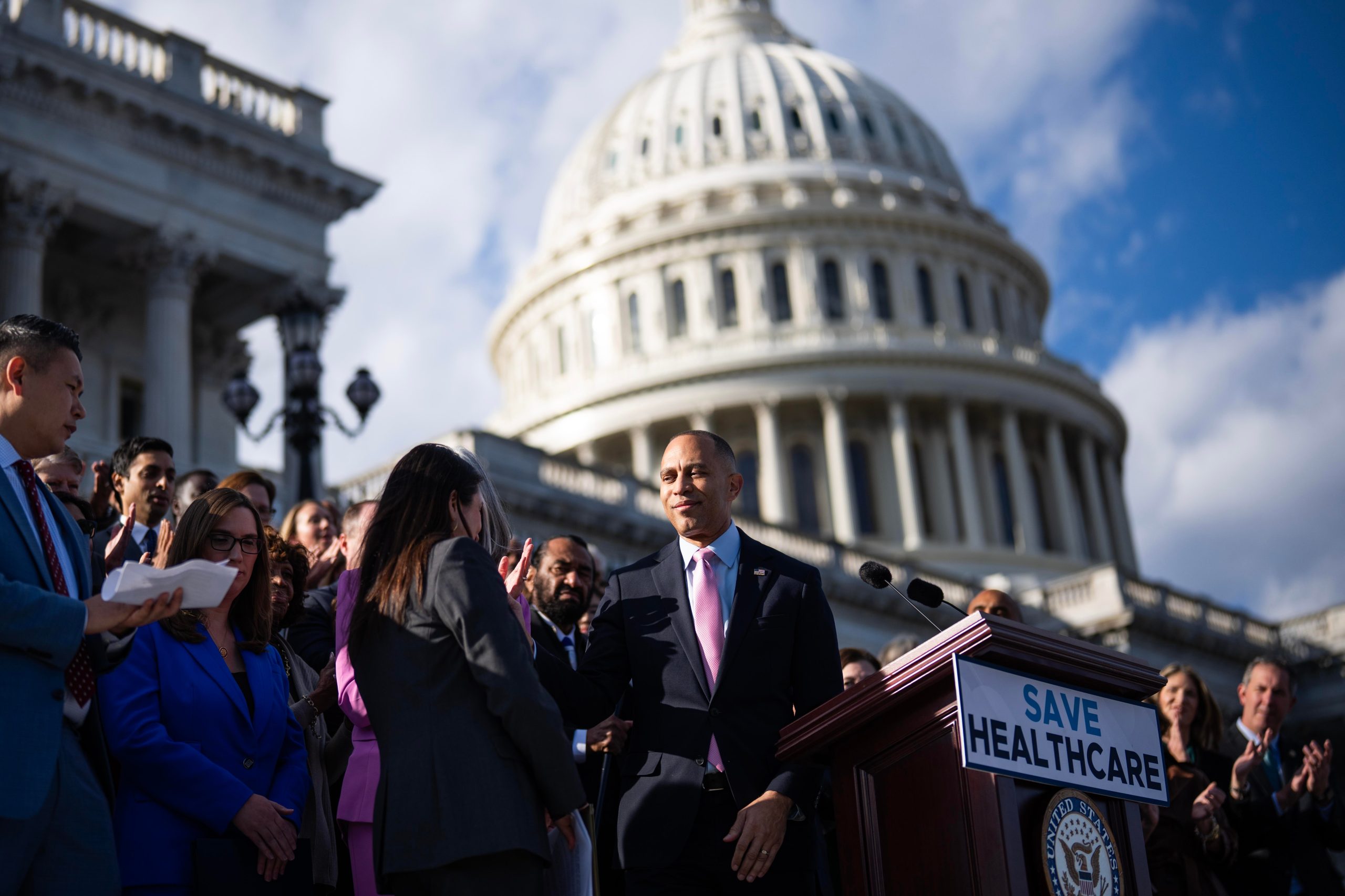
As the midterm elections loom, a significant shift in Washington’s power dynamic appears increasingly probable. Polling data from just weeks before the November elections indicates a strong likelihood of Democrats reclaiming control of the House of Representatives. Furthermore, what was once viewed as a long shot – flipping the Senate – is now emerging as a realistic possibility. Should voters grant them majorities in both chambers, Democrats could find themselves wielding considerably more influence than they have during the initial years of the current presidential term.
However, the critical question remains: if voters entrust them with this power, how will Democrats choose to wield it? While legislative avenues will undoubtedly be constrained with the current administration in office, party leaders have signaled a potential agenda centered on key areas. Affordability, healthcare access, and thorough investigations into the current administration’s conduct are reportedly high on the list of priorities. Yet, the specific details of these plans remain somewhat elusive.
Navigating a Divided Landscape
The prospect of Democratic majorities presents both opportunities and challenges. Even with control of Congress, enacting broad legislative change will require navigating a complex political landscape, particularly if the presidency remains with the opposing party. This reality means that the Democrats’ immediate legislative agenda may need to be strategically focused. Areas like lowering prescription drug costs, expanding access to affordable healthcare, and potentially strengthening consumer protections could form the bedrock of their efforts. The ability to convene hearings and launch investigations will also be a significant tool, allowing them to scrutinize the executive branch and highlight issues they deem critical to the public.
The Art of Strategic Ambiguity
According to Marianna Sotomayor, a congressional correspondent for Puck News, the deliberate lack of granular detail in the Democrats’ platform may be a calculated strategy. This approach allows the party to remain adaptable in a rapidly evolving political environment. By keeping their specific policy prescriptions somewhat broad, they can appeal to a wider range of voters and avoid committing to potentially contentious specifics that could alienate key demographics or be easily attacked by opponents. This strategic ambiguity can be a powerful tool in coalition-building and in maintaining flexibility once in power.
Beyond Legislation: Investigations and Oversight
Beyond direct legislative action, a Democratic-controlled Congress would likely pivot towards robust oversight of the current administration. This could involve numerous committee hearings, investigations into potential misconduct or policy failures, and the subpoenaing of documents and witnesses. Such actions, even if they don’t result in immediate legislative outcomes, can serve to shape public discourse, hold the executive branch accountable, and lay the groundwork for future policy initiatives. The focus on “affordability” and “healthcare” suggests a desire to address pressing concerns for many American families, and investigations could be framed as a means to uncover why these issues persist. The coming months will reveal whether the party can translate potential electoral success into tangible political progress.
Based on materials: Vox



