
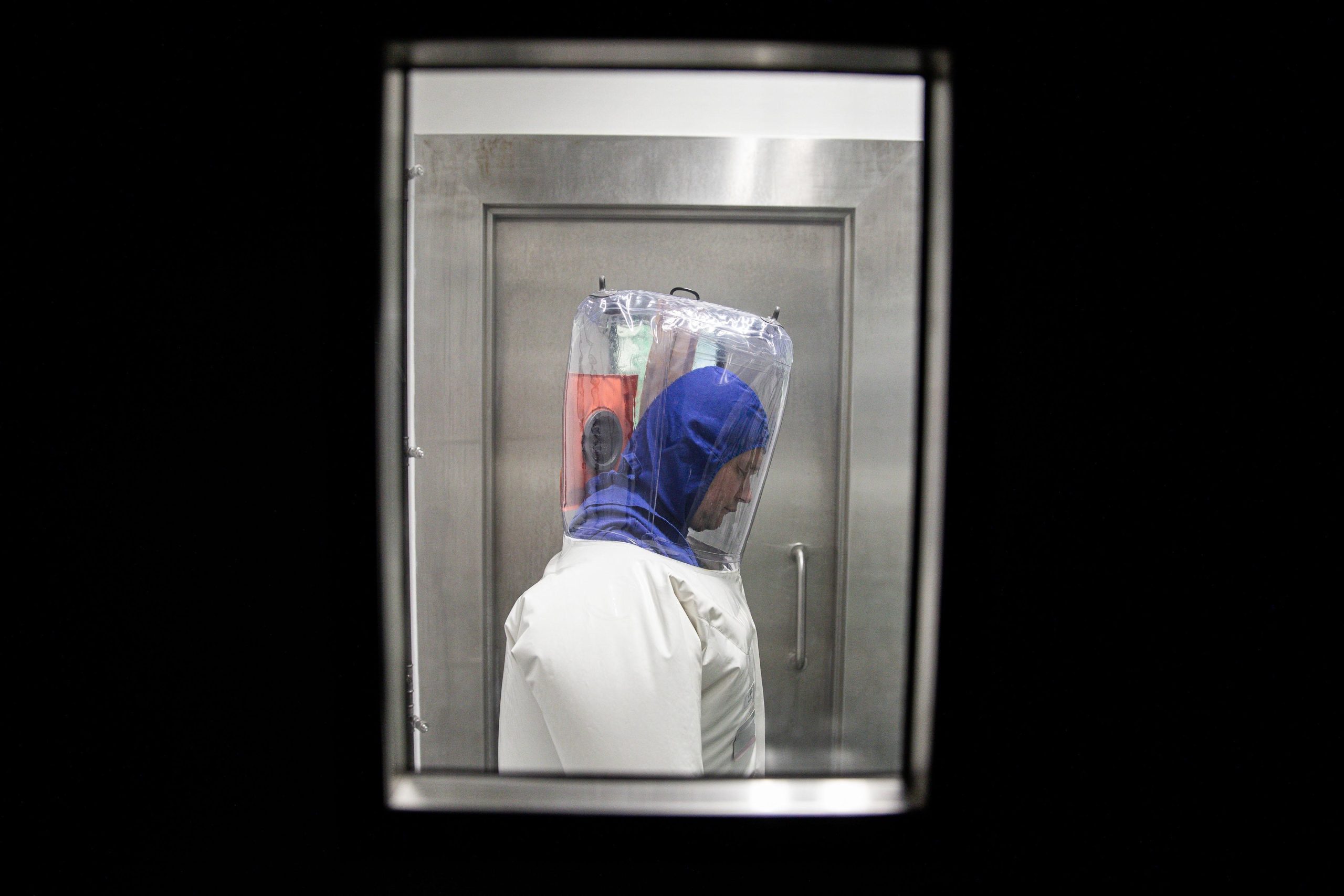
The recent death of a woman near a Russian research facility studying the plague has reignited global anxieties surrounding the deadliest bacterial disease in human history. This incident, occurring in a nation with a documented past of biological weapons research, inevitably conjures specters of past pandemics and the chilling possibility of laboratory-acquired infections seeding new outbreaks.
While the immediate threat of a widespread plague epidemic stemming from this particular incident is considered low by experts, the event serves as a stark reminder of the inherent risks associated with handling highly dangerous pathogens in laboratories. The chilling memory of the Black Death, which decimated Europe in the 14th century, killing an estimated 50 million people, looms large in the public consciousness, making any news of plague research a cause for concern.
Lessons from a Pandemic Past
The COVID-19 pandemic, with its ongoing debates about its origins and the potential for viral escape from laboratories, has heightened public and scientific awareness of biosafety protocols. The near-universal experience of a global health crisis has underscored the fragility of our interconnected world and the devastating consequences of novel infectious agents. This recent plague case, though geographically distant and involving a different pathogen, taps into those same anxieties, prompting critical questions about the security and safety measures in place at high-containment biological research facilities worldwide.
Underlying Risks Persist
Despite the low probability of a global plague outbreak from this specific incident, the underlying risks associated with working with dangerous pathogens remain a significant concern. The facility in question is reportedly isolated, and the plague, while deadly, is not as readily transmissible as SARS-CoV-2 and is treatable with antibiotics if caught early. However, the mere fact that such research is being conducted, coupled with historical precedents, fuels apprehension. The global scientific community grapples with the ethical and practical challenges of advancing research on dangerous microbes for the development of vaccines and treatments, while simultaneously ensuring that these very agents do not pose an existential threat. This delicate balance requires constant vigilance, robust international oversight, and unwavering commitment to the highest standards of biosafety.
Conclusion: A Call for Enhanced Vigilance
The Russia plague case, while not an immediate pandemic precursor, acts as a critical inflection point. It compels us to re-evaluate and reinforce global biosafety standards, particularly in facilities that handle Level 4 pathogens. The scientific pursuit of knowledge is vital, but it must be conducted with an uncompromising dedication to preventing accidental releases. This incident serves as a potent reminder that in an era of advanced biotechnology, the line between scientific progress and potential catastrophe can be perilously thin, demanding continuous scrutiny and a proactive approach to global health security.
Based on materials: Vox



