
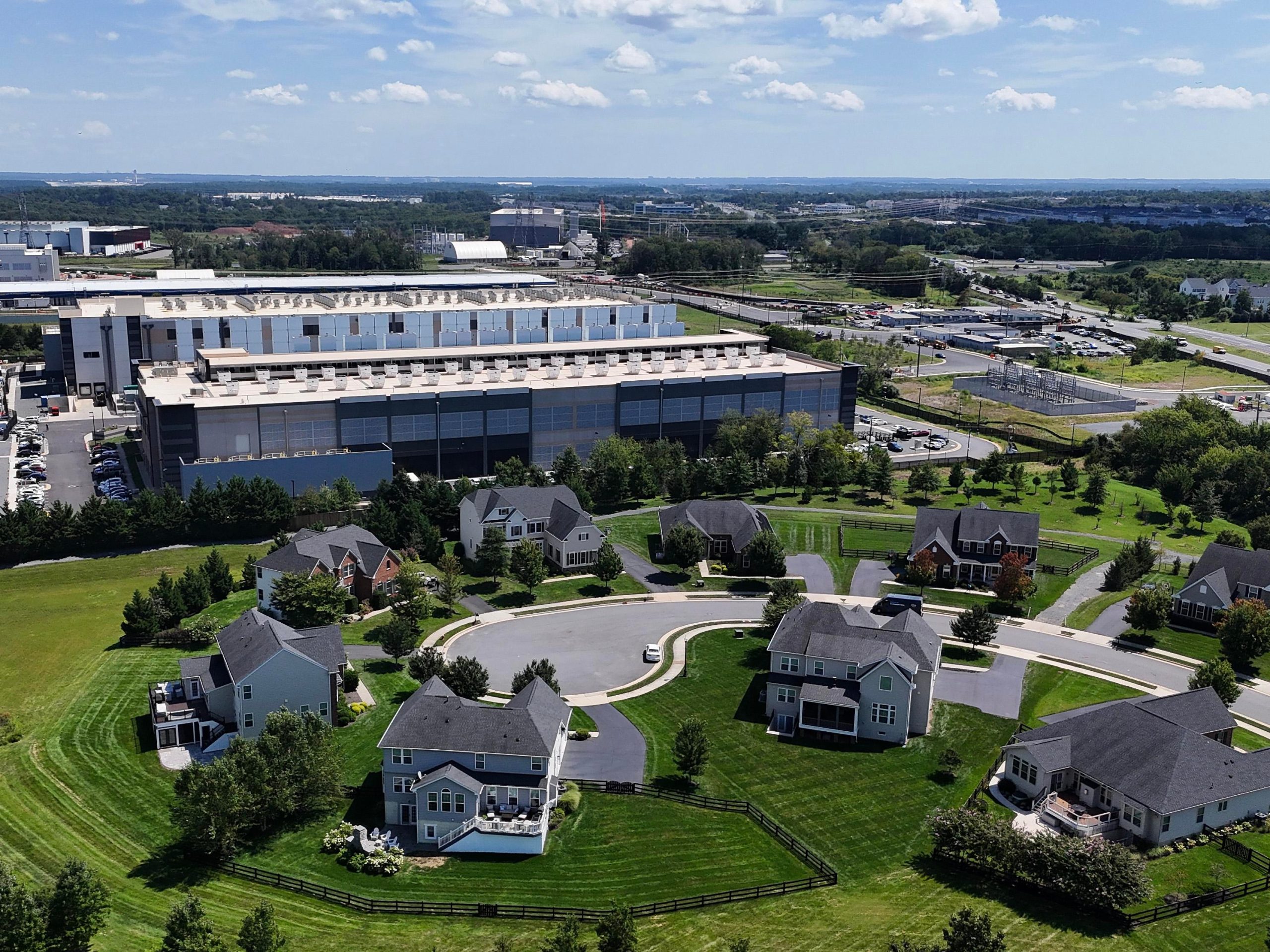
As the midterm elections draw closer, a new, unexpected battleground is emerging: artificial intelligence. What was once a niche technological topic has now become a potent political weapon, with candidates leveraging public apprehension about AI to sway voters. This shift signifies a significant moment where cutting-edge technology is directly impacting the political landscape, potentially influencing election outcomes.
The “Data Center Dave” Tactic
In a closely watched Wisconsin gubernatorial race, Republican candidate Tom Tiffany has deployed a new campaign ad targeting his Democratic opponent, Dave Crowley, with the moniker “Data Center Dave.” The ad, characterized by its stern narration, aims to associate Crowley with the burgeoning, and for some, unsettling, growth of data centers. This tactic, while seemingly mild compared to traditional political attacks, taps into a growing undercurrent of public concern regarding the rapid advancement and pervasiveness of AI technologies. The ad’s effectiveness hinges on the idea that associating a candidate with AI and its associated infrastructure can be a liability, reflecting a broader societal anxiety about job displacement, privacy, and the unknown implications of artificial intelligence.
AI: A Double-Edged Sword in Politics
The use of AI as a political talking point is a complex phenomenon. On one hand, the development of AI promises significant societal benefits, from advancements in healthcare to increased efficiency in various industries. However, these potential upsides are often overshadowed by fears of widespread job losses due to automation, ethical dilemmas surrounding AI’s decision-making capabilities, and concerns about its potential misuse. Candidates like Tiffany are capitalizing on these anxieties, framing AI not as a tool for progress but as a threat that needs to be controlled or, at the very least, viewed with suspicion. This strategy reflects a broader trend in political discourse, where complex issues are often simplified into easily digestible, emotionally resonant narratives to appeal to a wider electorate.
The implication of this trend is substantial. If public sentiment against AI can be effectively mobilized, it could lead to policy shifts and regulatory frameworks that either stifle innovation or, conversely, lead to a more cautious and ethically grounded approach to AI development. As voters head to the polls in numerous midterm contests, the “AI question” may become a significant deciding factor, pushing candidates to articulate their positions on this transformative technology and forcing the public to confront its multifaceted impact on their lives and livelihoods.
Conclusion: Technology’s Growing Political Footprint
The emergence of “Data Center Dave” as a political slur underscores a profound shift: technology, particularly AI, is no longer confined to the realm of tech enthusiasts and futurists. It has infiltrated the mainstream, becoming a subject of public debate and a tool for political maneuvering. As AI continues its rapid evolution, its influence on elections, public policy, and societal norms is only set to grow, making it a critical issue for voters and policymakers alike to understand and address. The midterm elections are proving to be a pivotal moment in this ongoing dialogue, highlighting the intertwined nature of technological advancement and democratic processes.
Based on materials: Vox



