
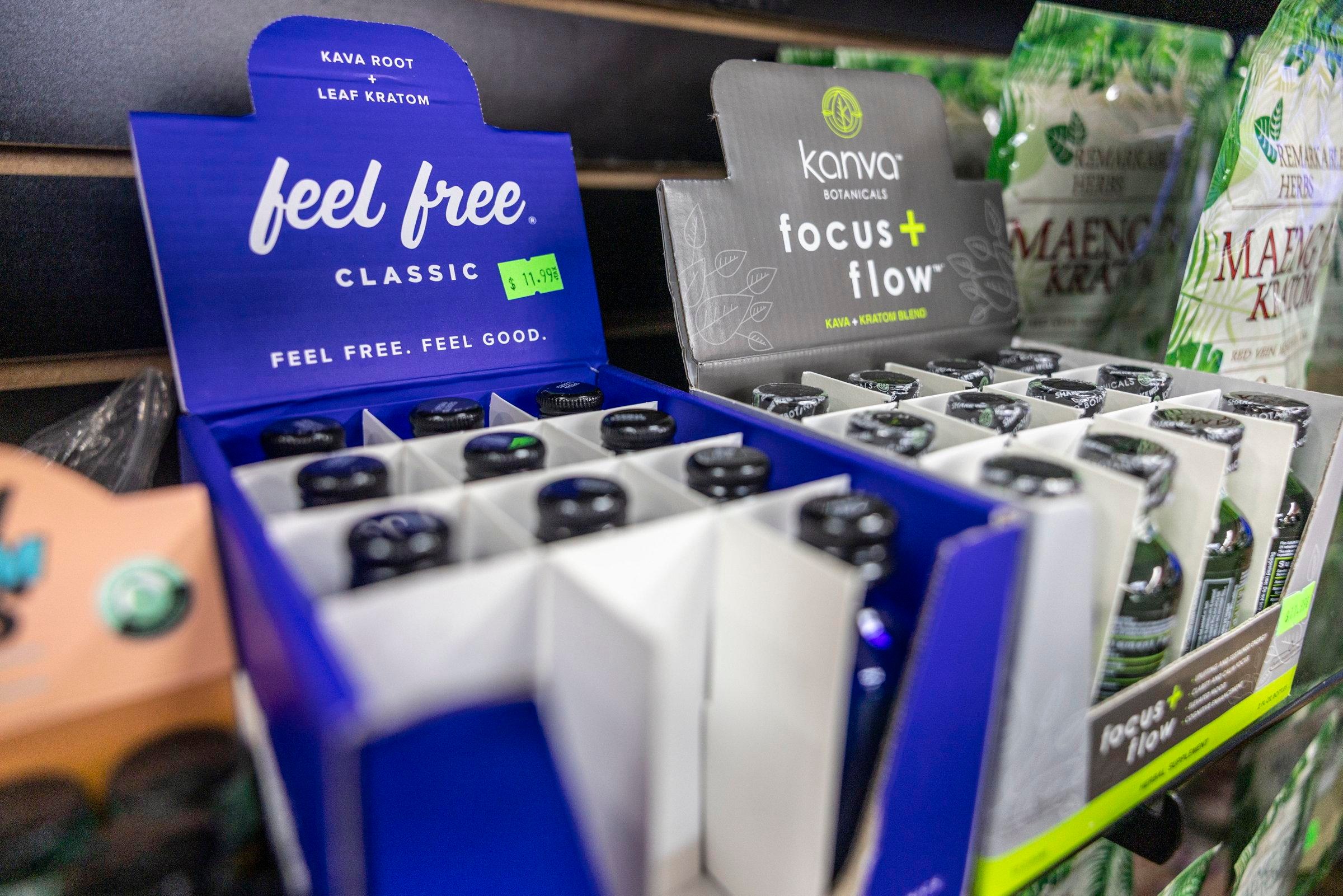
The allure of colorful packaging and catchy names like “Feel Free” and “Smurphs” belies a growing public health concern: the proliferation of unregulated, opioid-like substances sold openly at gas stations, corner stores, and smoke shops nationwide. These products, often in gummy or liquid form, are derived from kratom, a plant native to Southeast Asia, and are raising alarms due to their addictive potential and association with recent tragedies.
The substance at the center of this issue is kratom, and its primary active compound, mitragynine. In small doses, kratom can produce a mild stimulant effect. However, as the dosage increases, the experience shifts dramatically, offering a euphoric high that mirrors the effects of traditional opioids. This is because mitragynine binds to the same opioid receptors in the brain that are targeted by prescription painkillers and illicit drugs like heroin, leading to a familiar cycle of dependence and the risk of overdose.
The Opioid Mimic in Plain Sight
The accessibility of kratom products is a stark contrast to the controlled environments where prescription opioids are dispensed. Their widespread availability transforms everyday retail locations into de facto dispensaries for a substance that carries significant health risks. This unregulated market allows for products with varying potency and purity to reach consumers without the oversight that typically accompanies pharmaceutical drugs. Social media platforms have become echo chambers for users sharing their experiences, further fueling the product’s visibility and appeal, often without adequate warnings about its dangers.
The tragic discovery of kratom-related products near the bodies of two University of Mississippi students underscores the severe consequences of this unregulated market. These incidents highlight the urgent need for greater public awareness and regulatory action. Experts point to the chemical similarity between mitragynine and traditional opioids as a key reason for its addictive properties. As the substance gains popularity, concerns are mounting about its long-term impact on public health, particularly among vulnerable populations.
A Call for Regulation and Awareness
The lack of federal regulation surrounding kratom leaves consumers in a precarious position, exposed to potentially harmful products without clear guidance or safety standards. While some states and municipalities have taken steps to ban or restrict kratom, a patchwork of laws creates confusion and allows the substance to remain readily available in many areas. Advocates are calling for a more comprehensive approach, urging federal agencies to investigate the risks associated with kratom and consider appropriate regulatory measures. Increased public education campaigns are also crucial to inform consumers about the potential dangers of these unregulated opioid-like substances and to encourage seeking professional help for substance use disorders. The rise of these “gas station opioids” is a complex issue demanding immediate attention from policymakers, health professionals, and the public alike.
Based on materials: Vox



