
Antarctic Penguins Signal Climate Crisis: Colony Plummets
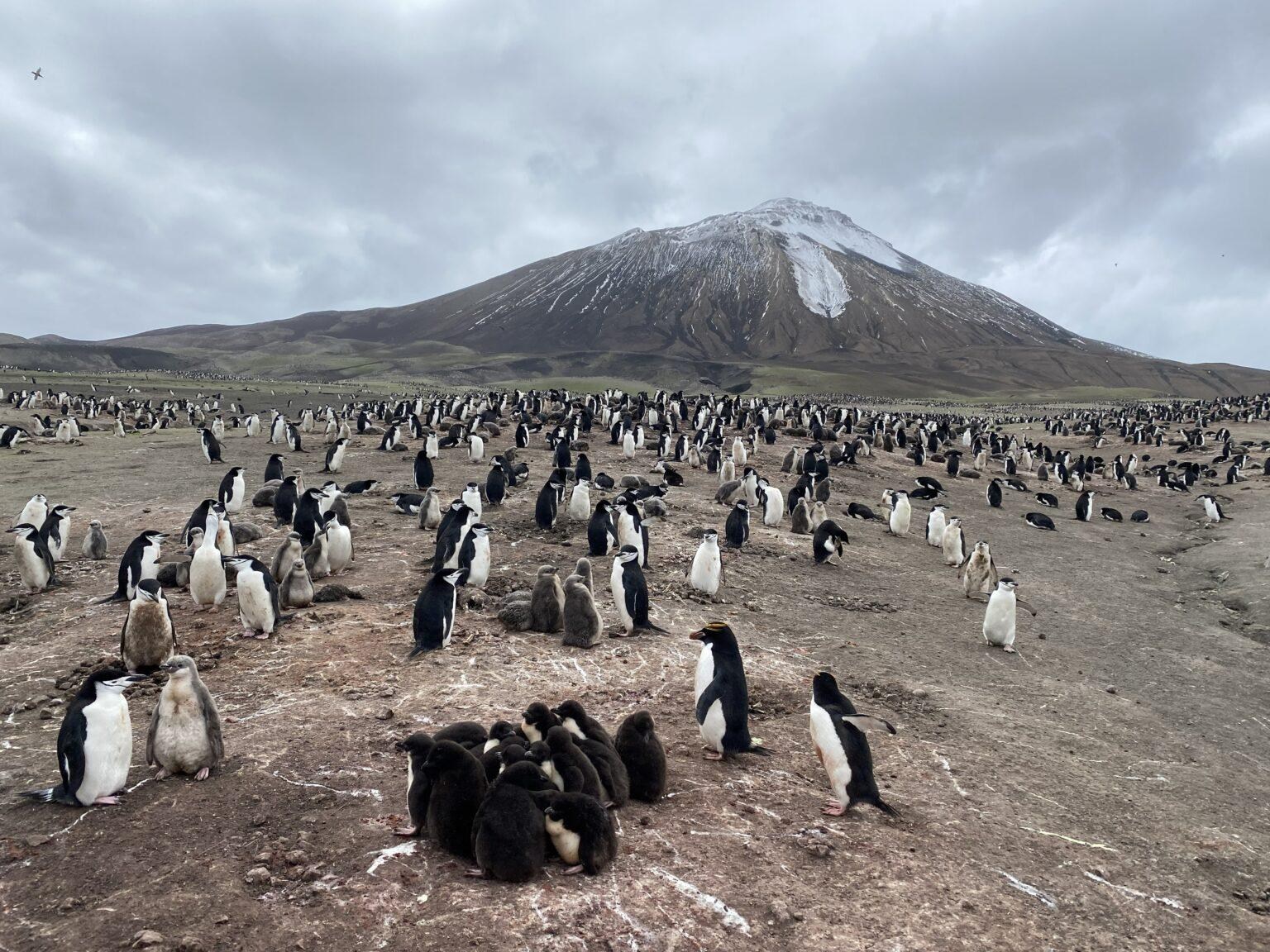
A stark warning is emerging from the icy reaches of Antarctica, where the world’s largest penguin colony has experienced a devastating decline. Scientists studying chinstrap penguins on Zavodovski Island, the northernmost outpost of the South Sandwich Islands, have documented a staggering two-thirds reduction in their numbers since 2011. This dramatic population crash, equivalent to the loss of half a million breeding individuals, is being overwhelmingly linked to the escalating climate crisis.
The findings, published in a recent study, paint a grim picture not only for the penguins themselves but also for the delicate Antarctic ecosystem they inhabit. Researchers are expressing grave concerns that this rapid demise could signal a wider collapse, impacting other species and the overall health of the region. The volcanic slopes of Zavodovski Island, once teeming with life, now represent a somber testament to the profound environmental shifts underway.
A Disappearing Act in the Southern Ocean
For years, scientists have observed worrying trends in Antarctic penguin populations. Previous reports in 2020 highlighted significant decreases in chinstrap penguins on other islands, fueling anxieties that fundamental ecological processes were being disrupted. The latest research on Zavodovski Island amplifies these concerns exponentially. Professor Norman Ratcliffe, a leading penguin ecologist at the British Antarctic Survey and head of the research, described the population crash as “enormous,” emphasizing the scale of the loss.
The precise mechanisms by which climate change is impacting these penguins are multifaceted. Rising ocean temperatures can affect the distribution and abundance of krill and fish, the primary food sources for chinstrap penguins. Changes in sea ice extent and duration can also disrupt breeding cycles and foraging patterns. Furthermore, increased frequency and intensity of extreme weather events, driven by climate change, can directly impact chick survival. The volcanic nature of Zavodovski Island, while providing nesting grounds, also means any environmental shift can have concentrated impacts.
Beyond the Penguin: Ecosystem-Wide Ramifications
The implications of this penguin population collapse extend far beyond the species itself. Penguins are keystone species in the Antarctic food web, playing a crucial role in nutrient cycling and serving as a food source for predators like leopard seals and killer whales. A significant reduction in their numbers can have cascading effects throughout the ecosystem, potentially leading to imbalances and declines in other populations.
This distress signal from Antarctica underscores the urgent need for global action on climate change. The scientific community views these findings as a critical indicator of the planet’s health. As the ice melts and ocean currents shift, the consequences for biodiversity are becoming increasingly apparent. The fate of these iconic Antarctic inhabitants serves as a potent reminder that the impacts of a warming world are not confined to distant polar regions but have far-reaching implications for the entire planet. The continued monitoring and understanding of these vulnerable populations are paramount in guiding conservation efforts and advocating for robust climate mitigation strategies.
Based on materials: Vox



