
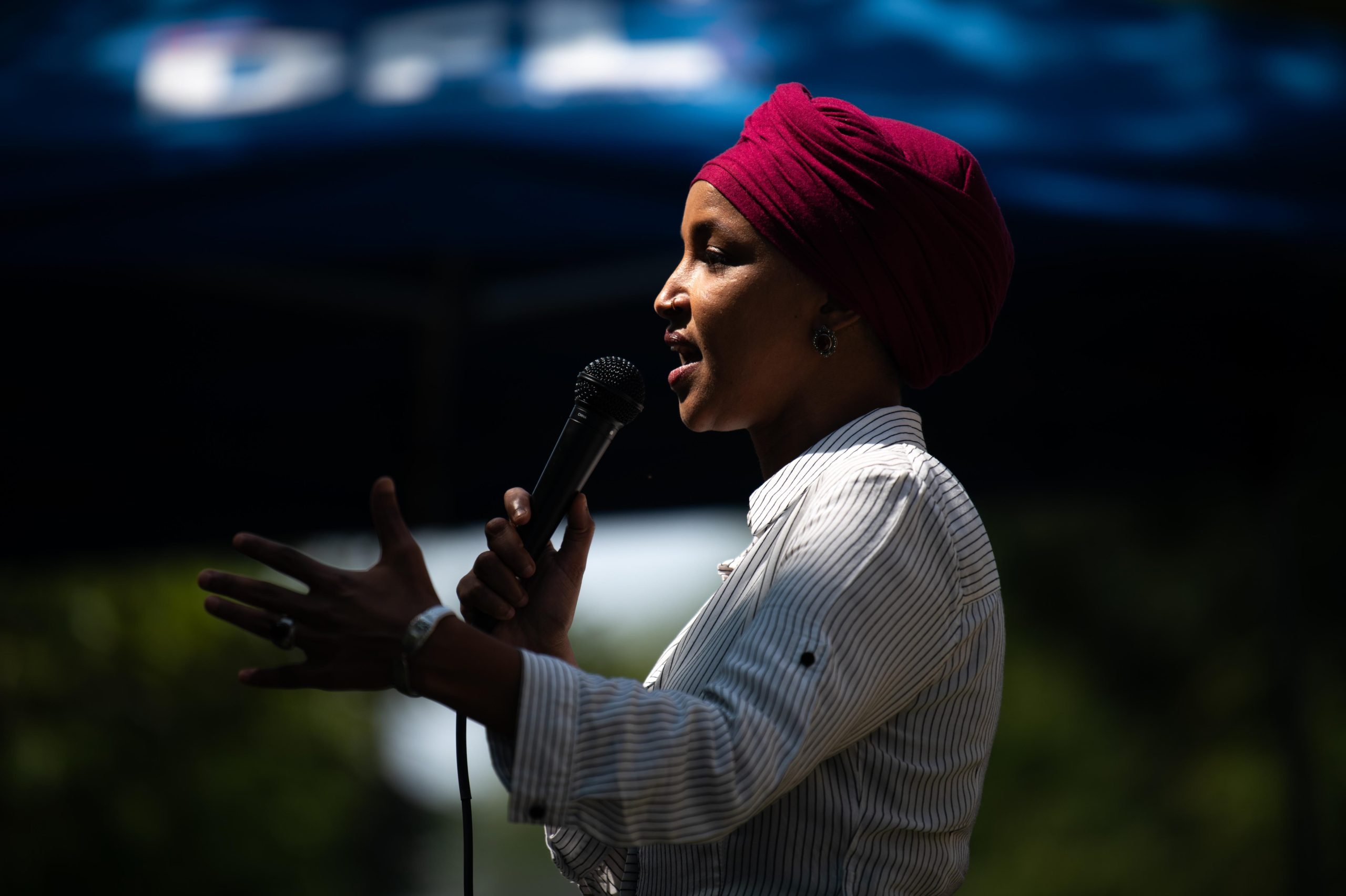
In an era of increasing global interconnectedness, a disquieting trend is emerging from the halls of power: governments are increasingly wielding the authority to strip individuals of their national status. What connects a Bollywood actor, a U.S. Congresswoman, and Israeli filmmakers? The chilling commonality is that their respective governments in India, the United States, and Israel are contemplating or enacting measures to revoke their citizenship. This move, far from being a fringe occurrence, signals a potentially broader shift in how nations define belonging and exert control.
Citizenship Under Scrutiny
The case of Bollywood actor Imran Khan, nephew of the famed Aamir Khan, highlights the precariousness of certain residency statuses. Khan, who holds an Overseas Citizen of India (OCI) card, was reportedly given a deadline to leave India. While India does not recognize dual citizenship, the OCI card grants individuals of Indian origin and their families extensive rights, including the ability to live, work, and study permanently in the country. Revoking this status effectively severs deep ties to a homeland, disrupting lives and livelihoods. Khan’s situation arose in the context of protests he participated in, underscoring how civic engagement can, in some instances, lead to governmental repercussions that challenge one’s national standing.
Beyond Borders: A Multifaceted Challenge
This phenomenon is not confined to India. In the United States, the debate surrounding citizenship has become increasingly politicized, with proposals and discussions sometimes targeting individuals based on their political affiliations or perceived disloyalty. Similarly, in Israel, filmmakers have reportedly faced the threat of having their citizenship revoked due to their artistic expressions, illustrating how cultural and political dissent can become grounds for questioning national identity. These instances, though varied in their specific contexts and justifications, collectively point to a growing willingness by governments to use citizenship as a tool of political leverage or social control.
The Broader Implications of Denationalization
The ability of a state to revoke citizenship carries profound implications. It can render individuals stateless, stripping them of fundamental rights, including the right to vote, to work, and to access social services. This power, when exercised broadly or for political reasons, raises serious human rights concerns and can lead to the marginalization and persecution of dissenting voices or minority groups. As nations navigate complex geopolitical landscapes and internal political pressures, the weaponization of citizenship could represent a significant challenge to established norms of international law and human dignity, demanding careful scrutiny and robust defense of fundamental rights.
CONCLUSION:
The instances of citizenship revocation, from Bollywood actors to elected officials and artists, paint a concerning picture of a global trend. While the specific triggers vary, the underlying power of governments to denationalize individuals signals a potentially worrying erosion of rights and a new frontier in political discourse. As these cases unfold, they serve as a potent reminder of the fragility of national identity and the critical importance of safeguarding the rights and protections that citizenship, in theory, should afford to all.
Based on materials: Vox



