
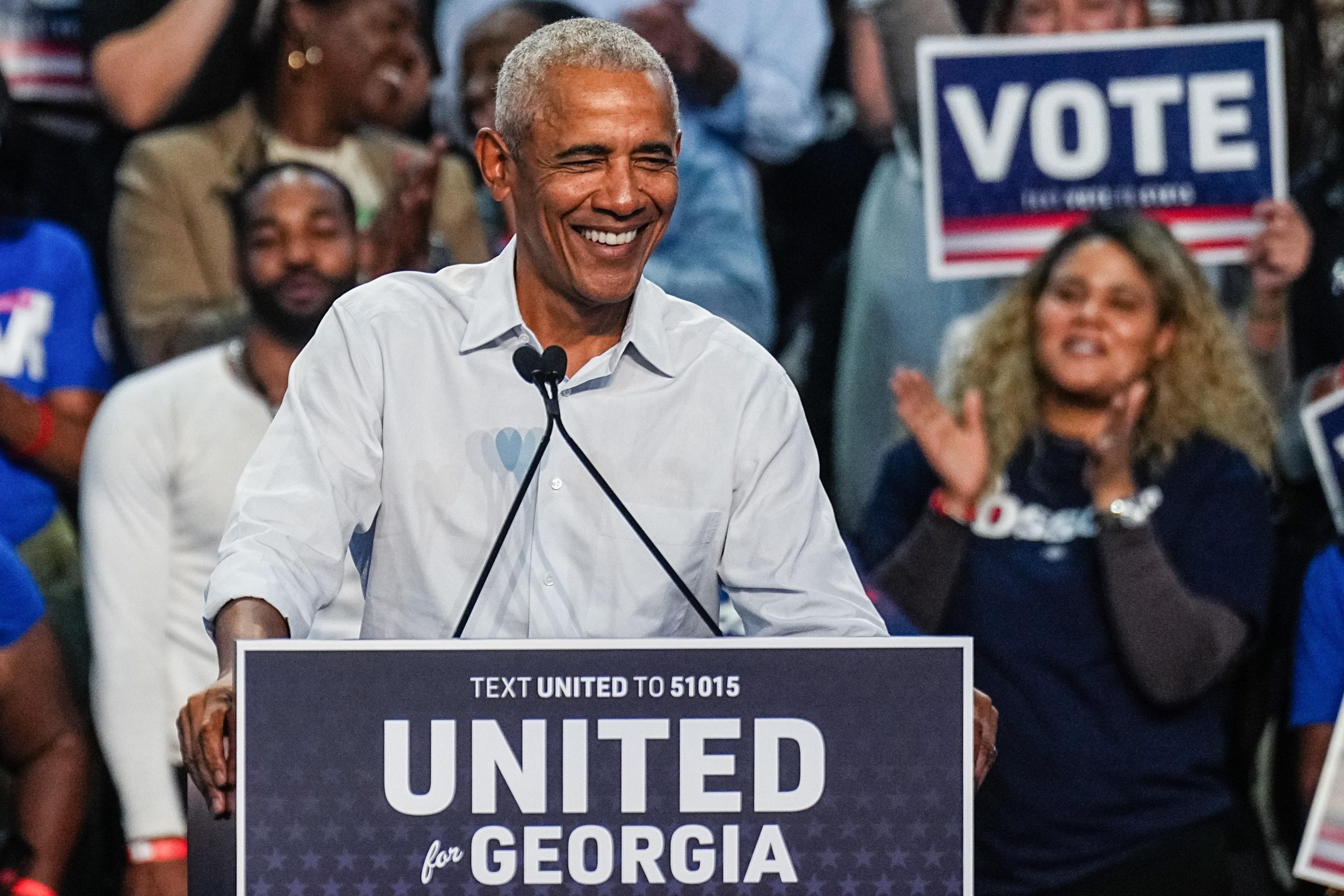
The recent midterm elections have sparked a surprising wave of online nostalgia, with Generation Z increasingly looking back fondly on the Obama era. This phenomenon, fueled by a Democratic performance that defied expectations, is manifesting across social media platforms through a deluge of celebratory videos, music, and curated edits. These digital artifacts not only mark the recent electoral wins but also draw distinct parallels to Barack Obama’s presidential victories and the broader cultural touchstones of his time in office. What’s particularly noteworthy is that many of these nostalgic creations are being produced by Gen Z individuals who have little to no direct memory of the Obama years, suggesting a fascination with an era they’ve largely experienced through secondary sources.
A Digital Echo of Millennial Optimism
The current online sentiment is being described by some as a resurgence of “millennial optimism.” This feeling, characterized by a blend of hope and earnestness, is a stark contrast to the often more cynical outlook prevalent in younger generations. Democratic strategist and content creator Olivia Julianna articulated this sentiment, stating, “Millennial optimism exists because Obama won elections so decisively that they had time to hit the club afterward.” This highlights a perceived period of stability and positive political momentum that Gen Z is now, in a way, experiencing vicariously. The cultural signifiers of the Obama era, from the rise of indie bands to the emergence of “girlboss” CEOs, are being re-examined and celebrated, creating a distinct aesthetic and emotional resonance.
Bridging Generational Divides Through Digital Culture
The trend offers a unique lens through which to view intergenerational understanding and the transmission of cultural memory. For some left-leaning millennials, this Gen Z embrace of the Obama era is seen as an educational opportunity. Figures like Representative Alexandria Ocasio-Cortez have engaged with younger followers, explaining the origins of “millennial cringe” – a term often used by Gen Z to describe what they perceive as an overly earnest or naive optimism. By dissecting the historical context and emotional underpinnings of that period, older generations are attempting to bridge the gap and offer a more nuanced understanding of past political and cultural movements. This dialogue, facilitated by social media, allows for a reinterpretation of historical moments through the lens of contemporary digital culture.
The Enduring Allure of a Bygone Era
The resurgence of Obama-era nostalgia among Gen Z is more than just a passing internet trend; it speaks to a broader yearning for a perceived era of idealism and collective aspiration. While Gen Z’s engagement is filtered through their own digital experiences and understanding, it highlights the lasting impact of Obama’s presidency and the cultural narratives that emerged from it. This phenomenon underscores the power of digital platforms to resurrect and reimagine historical periods, allowing younger generations to connect with and draw inspiration from times they never personally lived through. The “asterisk” in the original assessment acknowledges that while the sentiment is nostalgic, the experience is inherently different for those who lived through it versus those who are now discovering it.
Based on materials: Vox



