The seafood industry is experiencing a surge in popularity, with everything from tinned sardines to dry-aged fish gracing menus and social media feeds. While trendy dishes like “caviar bumps” and the enduring poke bowl grab headlines, it’s the everyday staples – bagged shrimp, salmon, and tuna filets – that consistently land in shoppers’ baskets. This growing consumer interest, coupled with endorsements from high-profile figures and organizations, suggests a future where seafood plays an increasingly central role in American diets. However, beneath the surface of this burgeoning trend lies a complex reality: the very labels promising “responsible sourcing” may not be as straightforward as they appear.
The Allure of Sustainable Seafood
The push for greater seafood consumption is fueled by a confluence of perceived benefits. For consumers, seafood is often touted as a healthy protein source, rich in omega-3 fatty acids and essential nutrients. This perception is amplified by a growing awareness of environmental concerns. Many consumers are actively seeking out options that align with their values, and for those concerned about the planet, “responsibly sourced” seafood has become a key purchasing criterion. This desire for ethical and sustainable choices has been a significant driver in the market, encouraging producers and retailers to highlight their commitment to environmentally sound fishing and aquaculture practices. The narrative is one of positive progress, where conscious consumerism directly translates into a healthier planet and a more robust food system.
Unpacking the Labels: A Reality Check
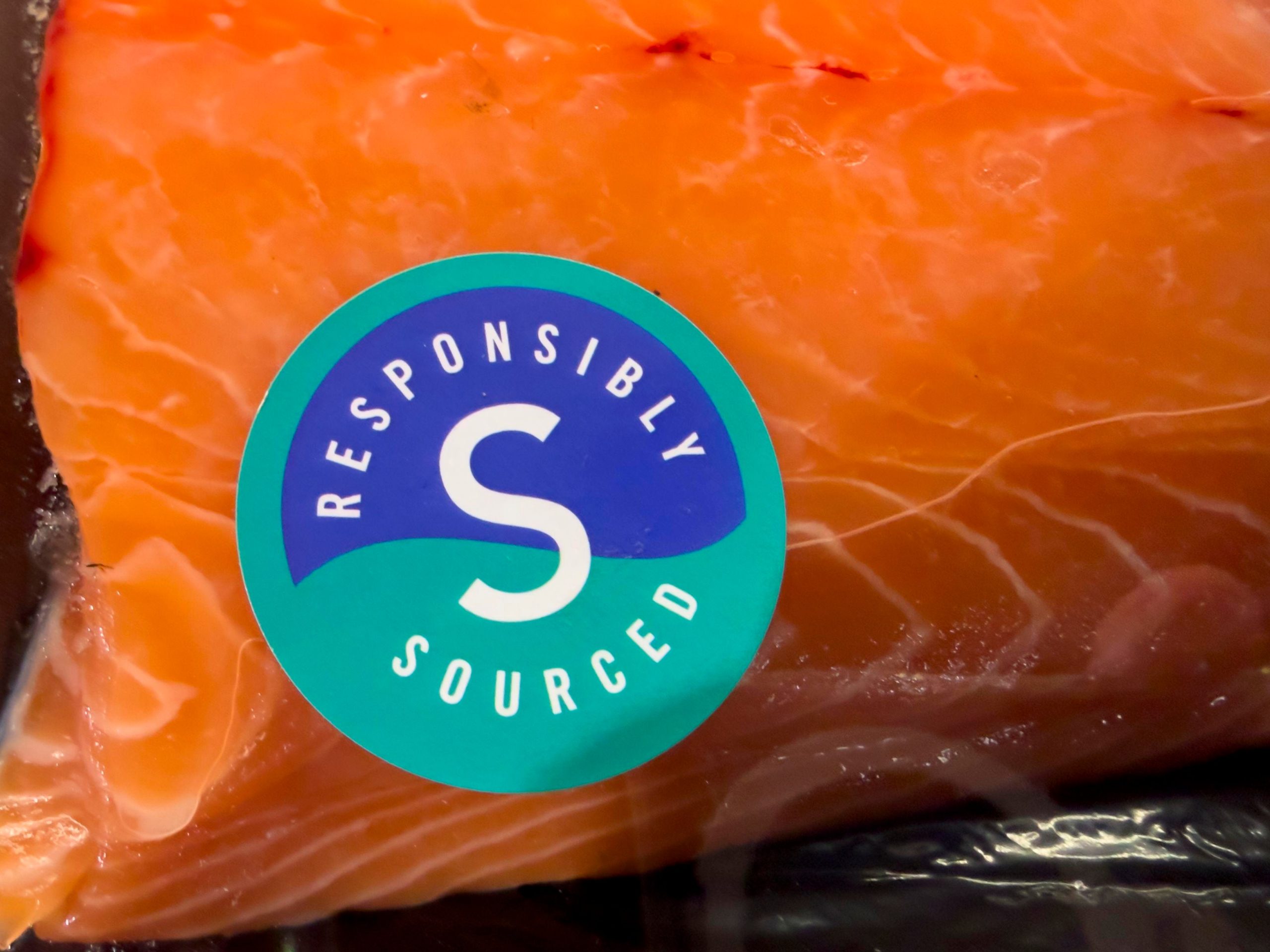
Despite the widespread appeal of sustainable seafood, a closer examination of industry practices reveals a more nuanced picture. The term “responsibly sourced” itself lacks a universally agreed-upon, legally binding definition, leading to a confusing landscape for consumers. While some certifications and labels indicate genuine efforts towards sustainability, others can be misleading, relying on vague criteria or self-regulation. This ambiguity allows for practices that may still carry significant environmental and social costs to be marketed as “responsible.” For instance, the methods used to catch or farm seafood can have profound impacts on marine ecosystems, including habitat destruction, bycatch of non-target species, and the disruption of marine food webs. Furthermore, the traceability of seafood from ocean to plate is often challenging, making it difficult to verify the claims made by producers.
Towards True Accountability
The growing demand for seafood, combined with the complexities of its sourcing, necessitates a critical re-evaluation of current labeling practices. There is a clear need for greater transparency and standardization within the seafood industry. This involves developing robust, independent auditing processes for sustainability claims and ensuring that certifications are meaningful and consistently applied. Consumers, empowered with accurate information, can then make truly informed choices that support environmentally sound practices and ethical treatment throughout the seafood supply chain. Ultimately, the goal is to move beyond superficial labels and foster a system where “responsible” seafood is not just a marketing term, but a verifiable reality that benefits both human health and the planet’s marine life.
Based on materials: Vox