
The landscape of U.S. immigration enforcement has dramatically shifted, marked by a significant expansion and a surprising demographic evolution within its ranks. Under the Trump administration, the Immigration and Customs Enforcement (ICE) agency saw an unprecedented surge in funding, ballooning from $10 billion to $85 billion. This fiscal boost positioned ICE as the nation’s most heavily funded law enforcement body, enabling substantial recruitment efforts. These efforts included attractive economic incentives, such as signing bonuses and student loan forgiveness programs, aimed at bolstering the agency’s workforce.
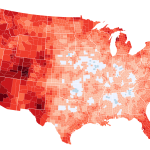
This intensified recruitment drive, slated to continue through 2026, has led to a notable diversification within the very agencies tasked with policing immigration. Perhaps counterintuitively, Latino individuals now represent a significant portion of the personnel on the front lines of federal immigration law enforcement. Self-identified Latinos comprise nearly half of all Border Patrol agents and approximately 30 percent of ICE agents. This demographic reality presents a complex and often paradoxical situation, prompting a deeper examination of the motivations and experiences of Latino agents within an agency whose core mission often targets immigrant communities, many of which are Latino.
A Shifting Demographic on the Front Lines
The increased representation of Latinos within ICE and Border Patrol is a direct consequence of aggressive recruitment strategies and the agency’s need to fill a growing number of positions. The “One Big Beautiful Bill” not only provided the financial muscle for expansion but also fueled a hiring spree that effectively doubled the number of ICE agents in a single year. This rapid growth has inevitably drawn from a diverse pool of applicants, with Latino individuals disproportionately represented among those answering the call. This trend raises important questions about the broader societal implications of having individuals from immigrant backgrounds enforcing immigration laws, particularly when those laws are perceived by many as having a direct and often negative impact on their communities.
Navigating Identity and Duty
The presence of a substantial Latino workforce within immigration enforcement agencies creates a unique dynamic. These individuals often come from immigrant families themselves or have close ties to immigrant communities. This personal connection can lead to a complex interplay of identity, professional duty, and personal experience. For some, joining these agencies may be seen as a way to contribute to national security, uphold the rule of law, or even influence policy from within. For others, it might represent a career opportunity with financial stability and benefits, particularly given the economic incentives offered.
However, this position can also place agents in morally and emotionally challenging situations. They may find themselves enforcing policies that directly affect people with similar backgrounds, leading to internal conflict or a sense of cognitive dissonance. Understanding the motivations, experiences, and perspectives of these Latino agents is crucial to grasping the full picture of immigration enforcement in the United States. It moves beyond the simplistic narratives often presented and delves into the nuanced realities of individuals navigating a system that is both a source of their livelihood and a force that shapes the lives of millions.
Conclusion: A Complex Equation
The expansion of ICE and the subsequent demographic shift within its ranks, particularly the significant presence of Latino agents, highlight the intricate and often contradictory nature of U.S. immigration policy and its enforcement. This phenomenon is not merely a statistic but a reflection of broader societal trends, economic opportunities, and the complex identities of individuals operating within a highly charged political arena. As immigration remains a central issue in American discourse, understanding the experiences of those on the ground, especially those with personal connections to the communities they police, offers vital insights into the human dimension of this ongoing debate. The paradox of Latino ICE agents underscores the need for a more nuanced and comprehensive understanding of the forces at play in shaping America’s immigration enforcement apparatus.
Based on materials: Vox