
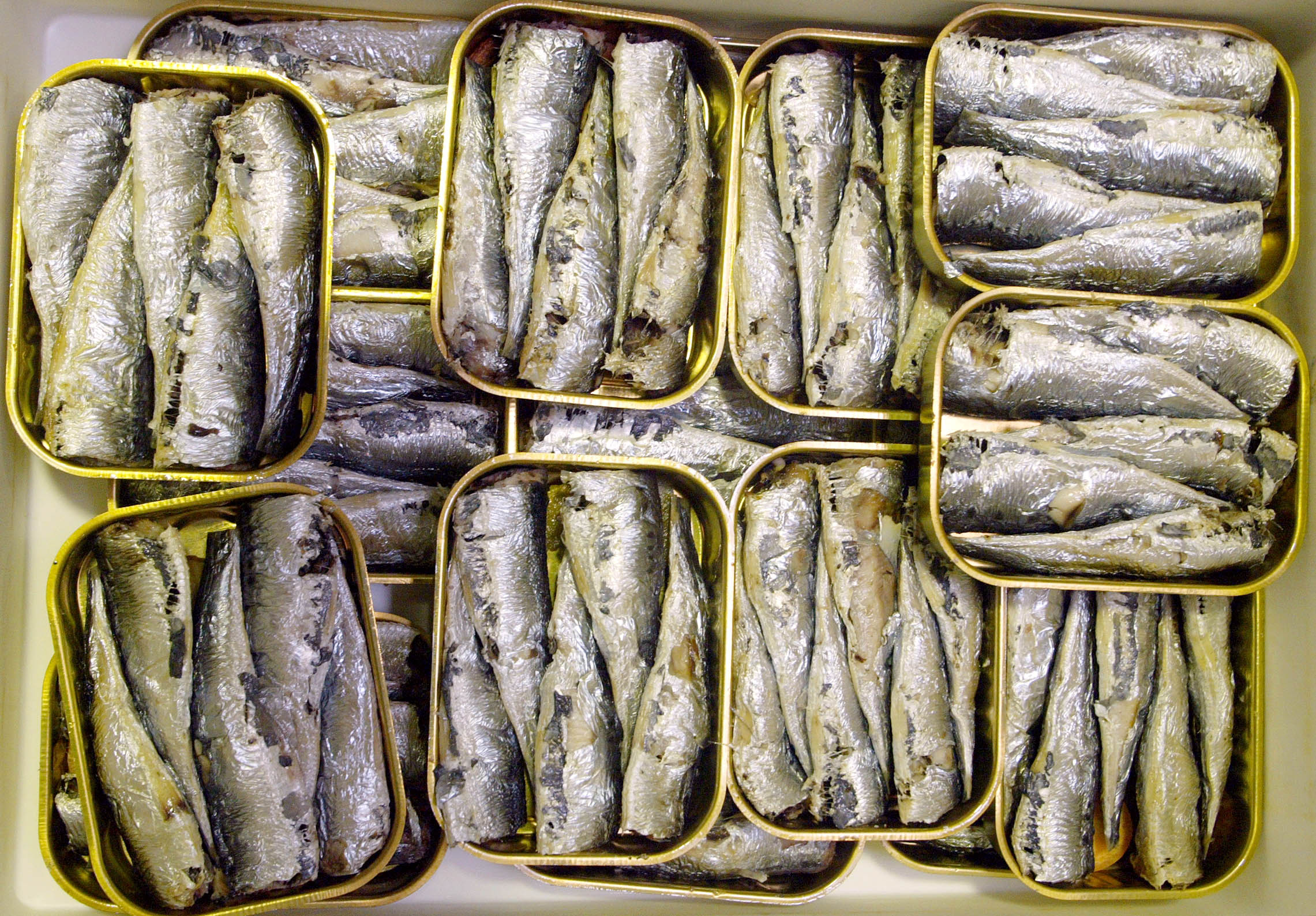
Sardine Surge: Gen Z’s Obsession Reshapes Seafood Aisles
Forget avocado toast. A new food trend is swimming its way into the hearts (and stomachs) of Gen Z: the humble sardine. Once relegated to the back of the pantry as a budget-friendly staple, these tiny, silver fish are now enjoying a full-blown cultural renaissance, fueled by social media influencers and a growing awareness of their nutritional benefits. But is this sardine surge sustainable, or just another fleeting food fad?
From Frugal Find to Viral Foodie Trend
The sardine’s journey from overlooked ocean dweller to online darling is a fascinating one. For years, they were a cheap and accessible source of protein and Omega-3 fatty acids, quietly nourishing families on a budget. Now, thanks to platforms like TikTok and Instagram, sardines are being reimagined as a trendy, convenient, and even glamorous snack. Influencers are showcasing elaborate sardine-centric snack plates, touting their benefits for skin health, and fitness gurus are praising their high protein content. This newfound visibility has transformed the sardine’s image, shedding its “poor man’s food” reputation and propelling it into the spotlight.
The Price of Popularity: Sardines Get More Expensive
However, this sudden surge in popularity comes with a price, literally. As demand for sardines skyrockets, some retailers are reportedly raising prices. Longtime sardine lovers are taking notice, lamenting the loss of their affordable go-to meal. This price hike highlights a common trend in the food world: when a previously underappreciated ingredient becomes trendy, its accessibility can be threatened. Whether tariffs are playing a part or increased demand is the sole driver, the sardine’s newfound fame may be pricing out some of its original consumers.
A Sustainable Snack?
The question now is whether the sardine’s newfound popularity will endure, or if it will eventually be replaced by the next viral food trend. While it’s impossible to predict the future, the sardine has several factors working in its favor. Its affordability (even with recent price increases) compared to other protein sources, its sustainability as a smaller, faster-reproducing fish, and its undeniable nutritional value all contribute to its potential staying power. If the sardine industry can manage the increased demand responsibly and maintain reasonable prices, this tiny fish could very well become a long-term staple in the diets of Gen Z and beyond.
CONCLUSION
The sardine’s rise from humble pantry staple to Gen Z obsession is a testament to the power of social media and the evolving tastes of a new generation. While the price increases are a concern, the sardine’s inherent nutritional value and relative sustainability position it for continued success, provided the industry can navigate this new wave of popularity responsibly. Only time will tell if the sardine’s moment in the sun will last, but for now, it’s clear that this tiny fish is making a big splash in the culinary world.
Based on materials: Vox



