
Trump’s Iran Strike Sparks Unlikely Anti-War Coalition
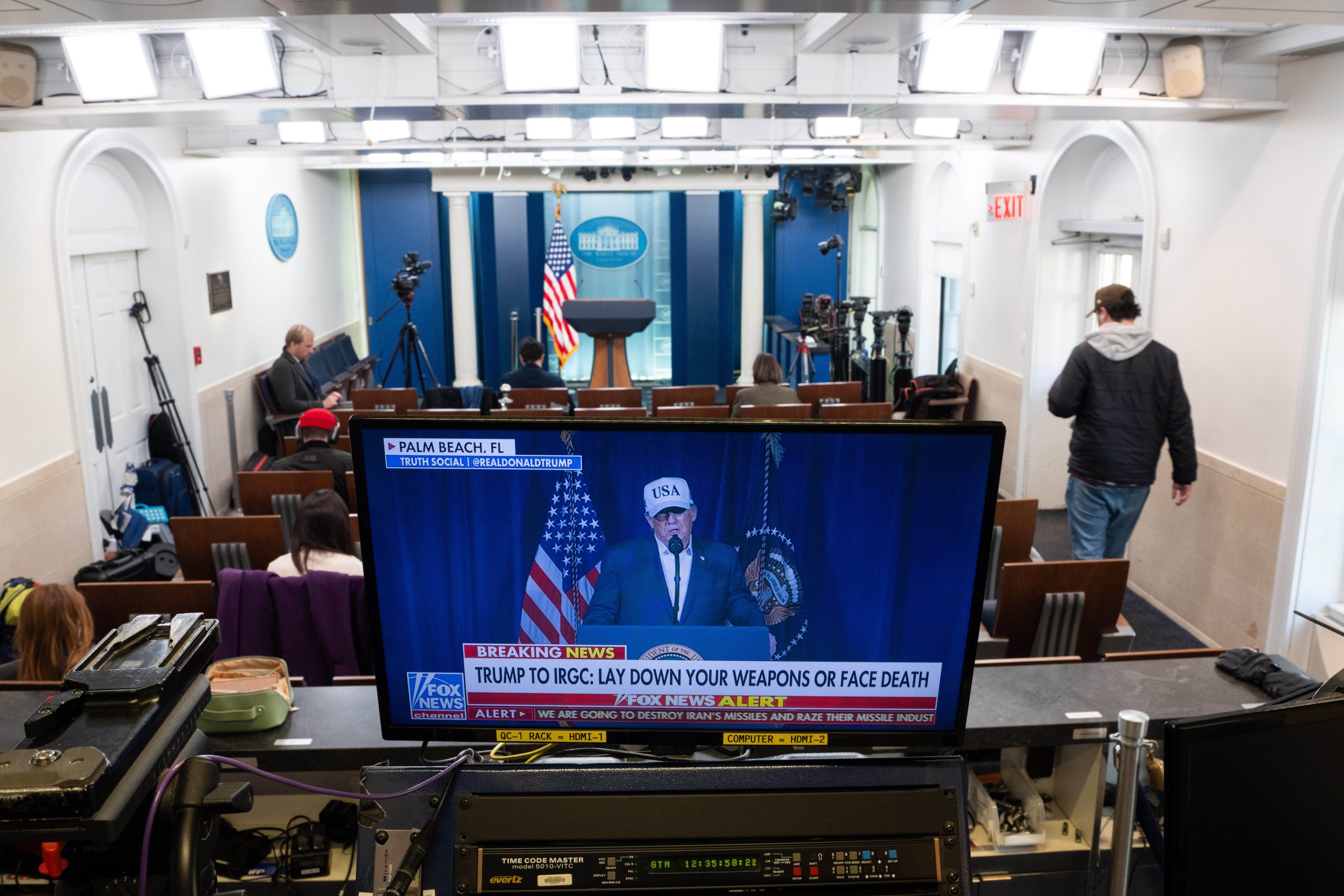
President Trump’s recent decision to launch joint US-Israeli strikes against Iran has ignited a firestorm of controversy, not only on the global stage but also within his own former base of support. This military action, purportedly targeting senior Iranian leadership, has triggered a surprising and potentially impactful development: the formation of an unlikely anti-war coalition spanning the political spectrum.
Fractures in the MAGA-sphere
In the lead-up to the 2024 election, Trump enjoyed unwavering support from a vocal group of right-leaning podcasters and influencers. However, cracks began to appear in this once-unified front. Some supporters, disillusioned by specific policies, voiced their dissent on issues like ICE and the Epstein files. Others remained silent or offered justifications for Trump’s actions, seemingly prioritizing party loyalty over principle. But the recent strikes on Iran appear to be a breaking point for many.
This action represents a significant breach of trust for many who previously supported Trump’s “America First” foreign policy. The prospect of escalating tensions in the Middle East, potentially leading to a full-blown conflict, runs counter to the isolationist rhetoric that resonated with a segment of his base.
A Diverse Chorus of Dissent
The emerging anti-war coalition is far from monolithic. It includes voices from the traditional anti-war left, libertarian circles wary of foreign intervention, and even some disillusioned Trump supporters. The motivations are diverse, ranging from concerns about the human cost of war to fears of economic instability and the erosion of civil liberties.
This diverse coalition finds common ground in its opposition to military intervention in Iran. Whether driven by pacifist ideals, fiscal conservatism, or a desire to protect American interests at home, these disparate groups are united in their belief that military action is not the answer. The long-term impact of this newfound alliance remains to be seen, but it represents a potential challenge to the administration’s foreign policy agenda.
Conclusion
Trump’s decision to strike Iran has not only heightened international tensions but has also sown discord within his own political base. The rise of an unexpected anti-war coalition, fueled by a mix of ideological and practical concerns, highlights the deep divisions within American society regarding foreign policy. Whether this alliance can translate into meaningful political action remains to be seen, but its emergence underscores the complex and unpredictable consequences of military intervention.
Based on materials: Vox



