
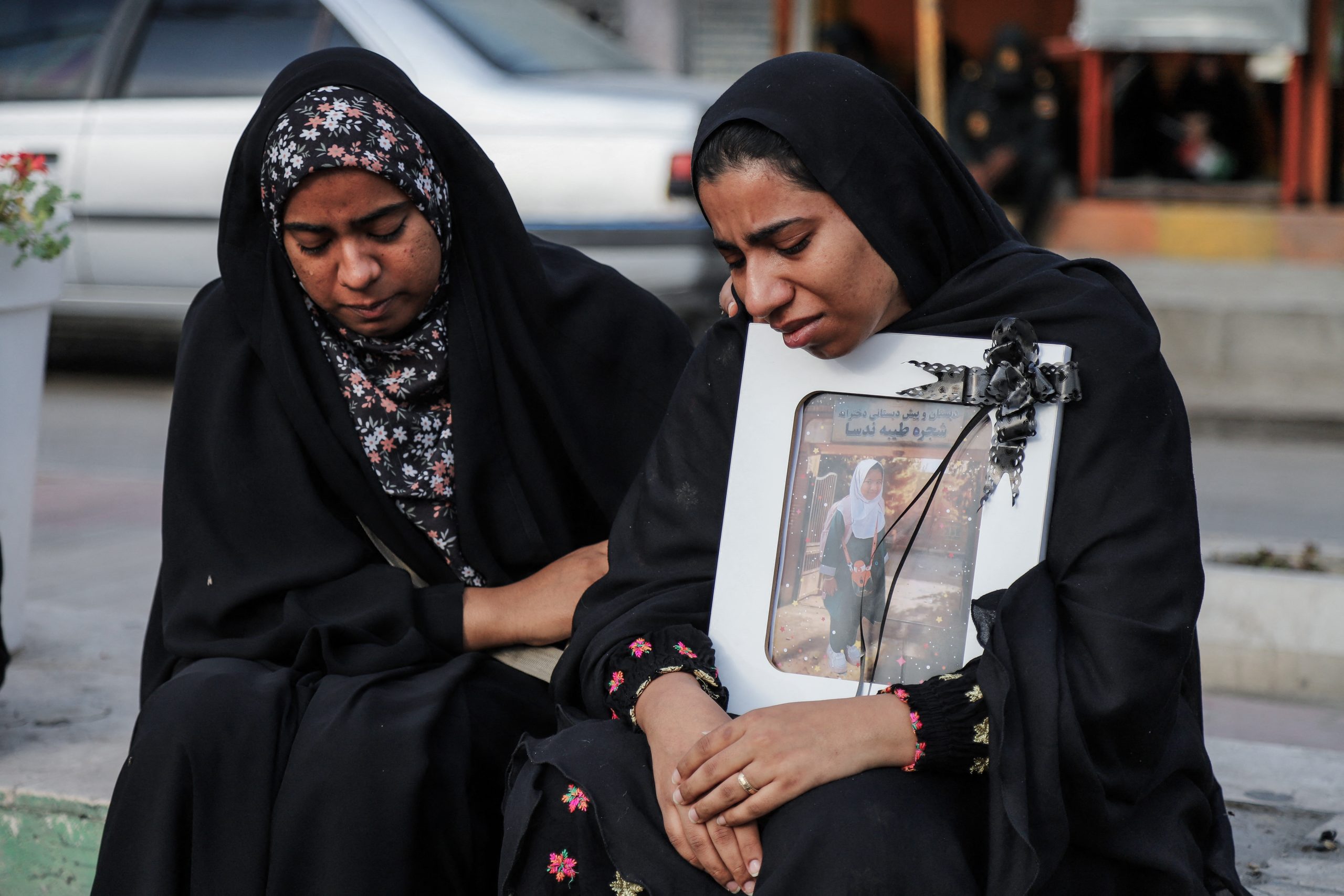
Iran Conflict Sparks Humanitarian Crisis: How You Can Help
The escalating conflict involving the US, Israel, and Iran is rapidly evolving into a humanitarian catastrophe across the Middle East and beyond. In just under two weeks since the escalation in late February, the conflict has reportedly claimed the lives of over 1,900 people across 11 nations and displaced more than 700,000 individuals, according to Vox. The destruction of vital infrastructure like schools and hospitals is exacerbating the crisis, threatening to destabilize already vulnerable economies and trigger widespread humanitarian emergencies. As global citizens, it’s crucial to understand the situation and identify ways to provide meaningful support.
A Region in Crisis: Understanding the Scope
The ripple effects of the conflict extend far beyond the immediate war zone. Disrupted shipping routes, crucial for the transportation of fuel and fertilizer, are jeopardizing economies already teetering on the brink. This disruption poses a significant threat to food security and economic stability in numerous countries that depend on these trade lanes. The situation is further complicated by the existing web of complex global crises, making it challenging to address the immediate needs of those affected while simultaneously working towards long-term solutions. The scale of displacement is staggering, requiring a coordinated international response to provide shelter, food, medical care, and psychological support to those who have been uprooted from their homes.
Taking Action: Contributing to Relief Efforts
Amidst the chaos and despair, there are avenues for individuals to make a tangible difference. Supporting reputable humanitarian organizations working on the ground is paramount. These organizations possess the expertise and infrastructure to deliver essential aid effectively. Before donating, thoroughly research the organization to ensure its legitimacy and track record. Consider supporting organizations providing:
*
Medical aid:
Providing essential medical supplies and care to the injured and sick.
*
Food and water:
Distributing food packages and clean water to displaced populations.
*
Shelter:
Constructing temporary shelters and providing blankets and essential supplies.
*
Psychological support:
Offering mental health services to help people cope with trauma and loss.
Beyond financial contributions, raising awareness about the crisis is vital. Sharing accurate information and advocating for diplomatic solutions can help to influence policy and promote peace.
Looking Ahead: Beyond Immediate Relief
While immediate relief is crucial, addressing the root causes of the conflict and fostering long-term stability is essential. This requires a multi-faceted approach involving diplomatic efforts, economic development initiatives, and support for civil society organizations working to promote peace and reconciliation. The international community must prioritize the protection of civilians, uphold international law, and work towards a sustainable solution that addresses the needs and aspirations of all people in the region. The current crisis serves as a stark reminder of our shared humanity and the importance of collective action in the face of global challenges.
SOURCE: Vox
Based on materials: Vox



