
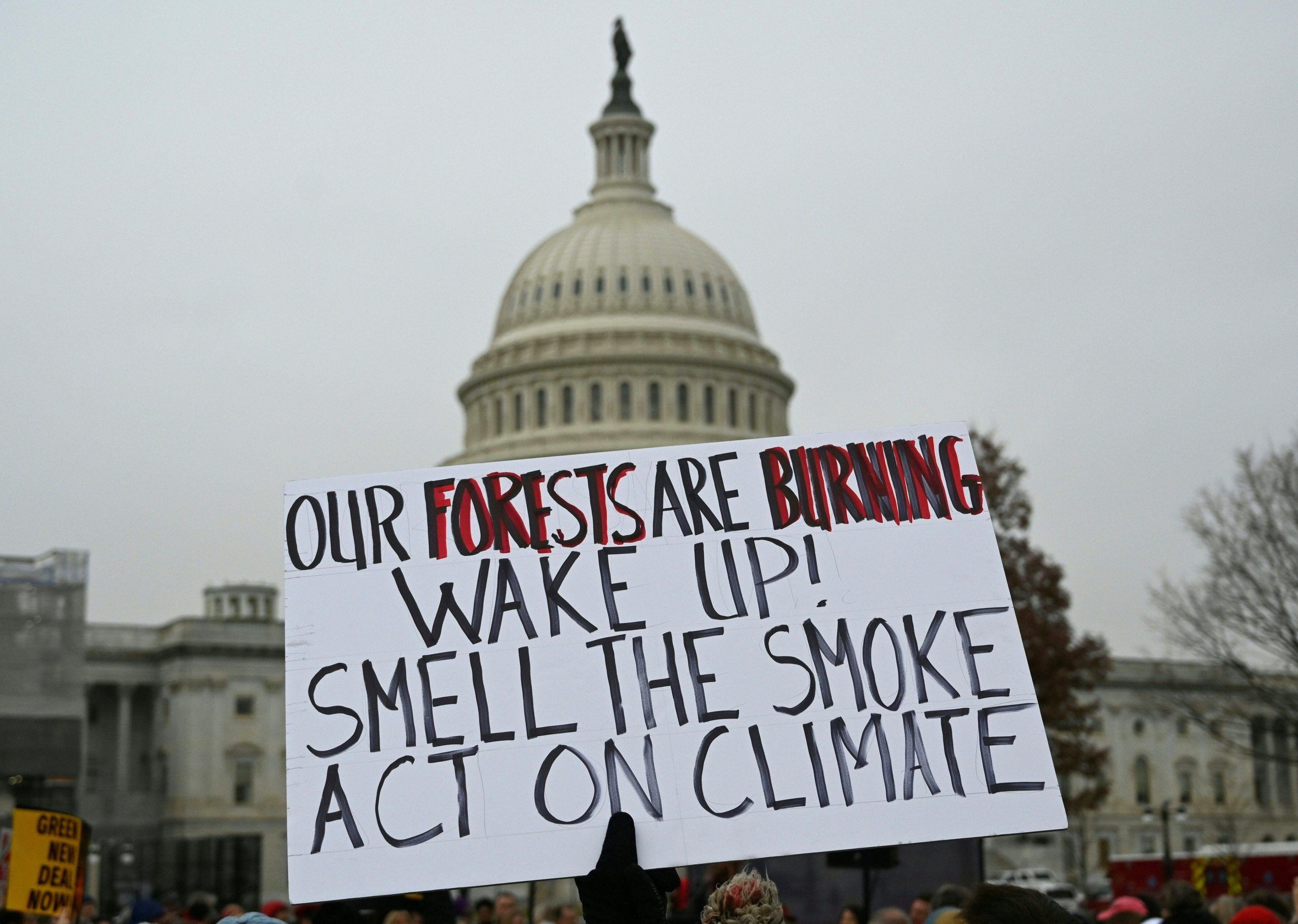

As the crucial midterm elections draw near, a curious silence has fallen over many Democratic politicians when it comes to climate change. Once a prominent rallying cry, the phrase “climate change” is now conspicuously absent from the speeches, social media feeds, and podcast appearances of many who once championed it as the defining crisis of our era. This shift, dubbed “climate hushing” by some, has left many observers questioning the party’s evolving strategy.
A Shifting Narrative
The data suggests a tangible decline in the use of climate-related language by Democratic leaders. While the urgency of the climate crisis remains a scientific and societal imperative, its prominence in political discourse appears to be waning. This departure from previous messaging could be interpreted as a strategic pivot, perhaps an attempt to broaden appeal or sidestep potentially divisive issues as election day approaches. Some analysts suggest that the party may be opting for a more nuanced approach, focusing on the economic benefits of green initiatives or the practical implications of climate-related disasters, rather than the overarching existential threat.
The Lone Voice in the Wilderness?
One notable exception to this trend is Senator Sheldon Whitehouse of Rhode Island. A consistent and vocal advocate, Senator Whitehouse has delivered his “Time to Wake Up” speech, detailing the perils of a warming planet, over 300 times in the last fifteen years. He has openly criticized what he terms “climate hushers” within the party, accusing them of deliberately downplaying the issue to avoid alienating voters. His persistent advocacy stands in stark contrast to the apparent reticence of many of his colleagues, highlighting a potential internal debate within the Democratic party about the most effective way to address climate change in the current political climate. The upcoming 2024 presidential election cycle is likely to be a key indicator of whether this “hushing” is a temporary tactic or a more permanent recalibration of the party’s climate agenda.
Context and Future Implications
The reasons behind this perceived shift are multifaceted. Political strategists may believe that focusing on other pressing issues, such as inflation or healthcare, will resonate more strongly with a broader electorate. There’s also the possibility that the party is seeking to avoid being painted as out of touch with the everyday concerns of voters. Regardless of the motivations, the reduced emphasis on climate change raises questions about the long-term commitment to ambitious climate policies. Will this silence translate into a lack of legislative action, or is it merely a tactical pause before a renewed push? The coming months will undoubtedly reveal the true impact of this evolving narrative on the political landscape and the fight against climate change.
SOURCE INFORMATION:
TITLE: The climate myth Democrats can’t quit
DESCRIPTION: This story was originally published by Grist and is reproduced here as part of the Climate Desk collaboration. As the midterm elections approach, something strange has happened: Democratic politicians who once talked about climate change as the defining crisis of our time now barely mention it at all. The phrase has begun disappearing from their speeches, social media posts, and podcast […].
CONTENT: A person hoists a poster in front of the US Capitol at a climate protest in Washington, DC. | Eva Hambach/AFP/Getty Images This story was originally published by Grist and is reproduced here as part of the Climate Desk collaboration. As the midterm elections approach, something strange has happened: Democratic politicians who once talked about climate change as the defining crisis of our time now barely mention it at all. The phrase has begun disappearing from their speeches, social media posts, and podcast appearances. The main exception is Senator Sheldon Whitehouse, a Rhode Island Democrat who has given some version of his “Time to Wake Up” speech on the dangers of climate change more than 300 times over the past decade and a half. He’s accused “climate hushers” of pushing the party to stop talking about the overheating planet. If you had to pinpoint the moment that “climate hushing” began, the 2024 presidential election would be
SOURCE: Vox
Based on materials: Vox



