

For years, Florida stood as the quintessential battleground state in American presidential elections, a place where the electoral map could pivot on a razor’s edge. As recently as 2016 and 2018, Democratic candidates narrowly missed clinching statewide victories, fueling hopes that the Sunshine State was still within reach. However, a significant political realignment has taken hold. Following Ron DeSantis’s gubernatorial win in 2018, Florida has veered decisively to the right, with Republican candidates achieving substantial victories in 2020, 2022, and projections for 2024 indicating continued Republican dominance. This trend has led many to believe Florida has permanently transformed into a solid red state. Yet, a former Republican congressman, now a Democrat, believes the tide might be turning once more.
A Republican’s Re-Alignment
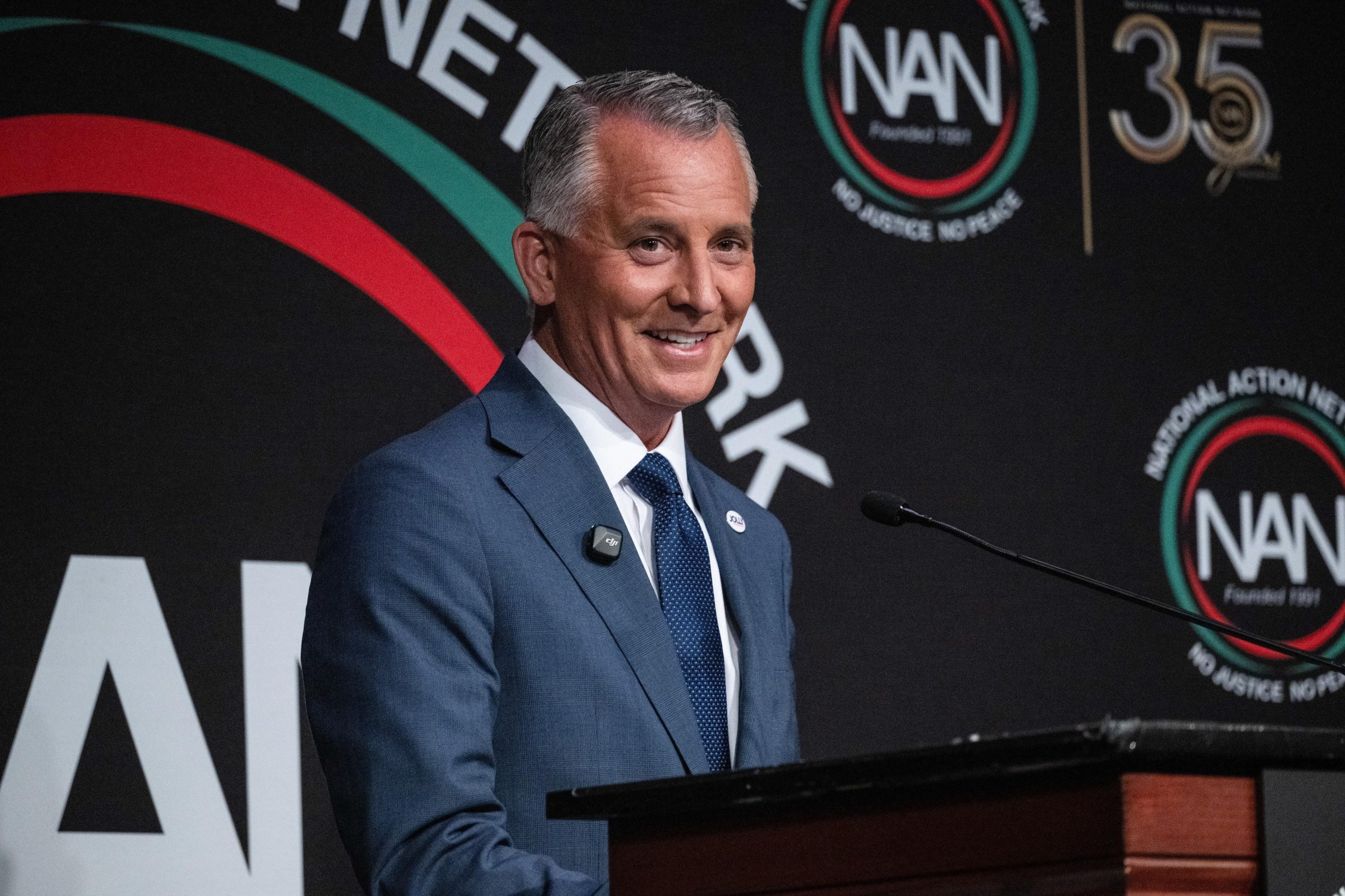
David Jolly, a figure once representing Florida in Congress as a Republican, has officially switched his party affiliation to Democrat. This move, finalized last year, positions him as the presumptive Democratic nominee for governor in 2026, aiming to succeed the term-limited DeSantis. Jolly’s departure from the Republican Party occurred during Donald Trump’s first presidential term, signaling an early disillusionment with the direction of the GOP. His decision to embrace the Democratic Party now, and his potential candidacy, raises the question of whether his personal journey reflects a broader sentiment simmering within Florida’s electorate. His experience as a former Republican provides a unique vantage point, potentially allowing him to appeal to disaffected members of his former party while galvanizing traditional Democratic voters.
The Shifting Demographics and Political Landscape
Florida’s political transformation is a complex phenomenon, influenced by a confluence of factors including demographic shifts, evolving voter priorities, and effective campaign strategies from both parties. The influx of new residents, many of whom are retirees and individuals seeking a lower tax environment, has often been cited as a key driver of the state’s conservative leanings. Furthermore, the Republican Party in Florida has successfully capitalized on cultural and social issues, resonating with a significant portion of the electorate. However, as the state continues to grow and diversify, the long-term implications of these trends remain a subject of intense debate. The potential for a Democratic resurgence hinges on their ability to mobilize a broad coalition of voters, including younger demographics, urban populations, and perhaps even moderate Republicans disillusioned with the current political climate.
The Road Ahead for Florida Democrats
The path to reclaiming statewide power in Florida is undoubtedly challenging for Democrats. The significant margins of victory for Republicans in recent elections underscore the uphill battle ahead. However, the narrative of Florida as an unshakeable red state might be premature. The party’s success will likely depend on identifying and amplifying key issues that resonate across the political spectrum, and on fielding candidates who can connect with a diverse electorate. David Jolly’s candidacy represents an interesting experiment in this regard. His ability to bridge partisan divides and articulate a compelling vision for Florida’s future will be crucial. As the 2026 election cycle approaches, all eyes will be on the Sunshine State to see if it can indeed turn blue again, or if the current red wave will continue to dominate its political landscape.
Based on materials: Vox



