
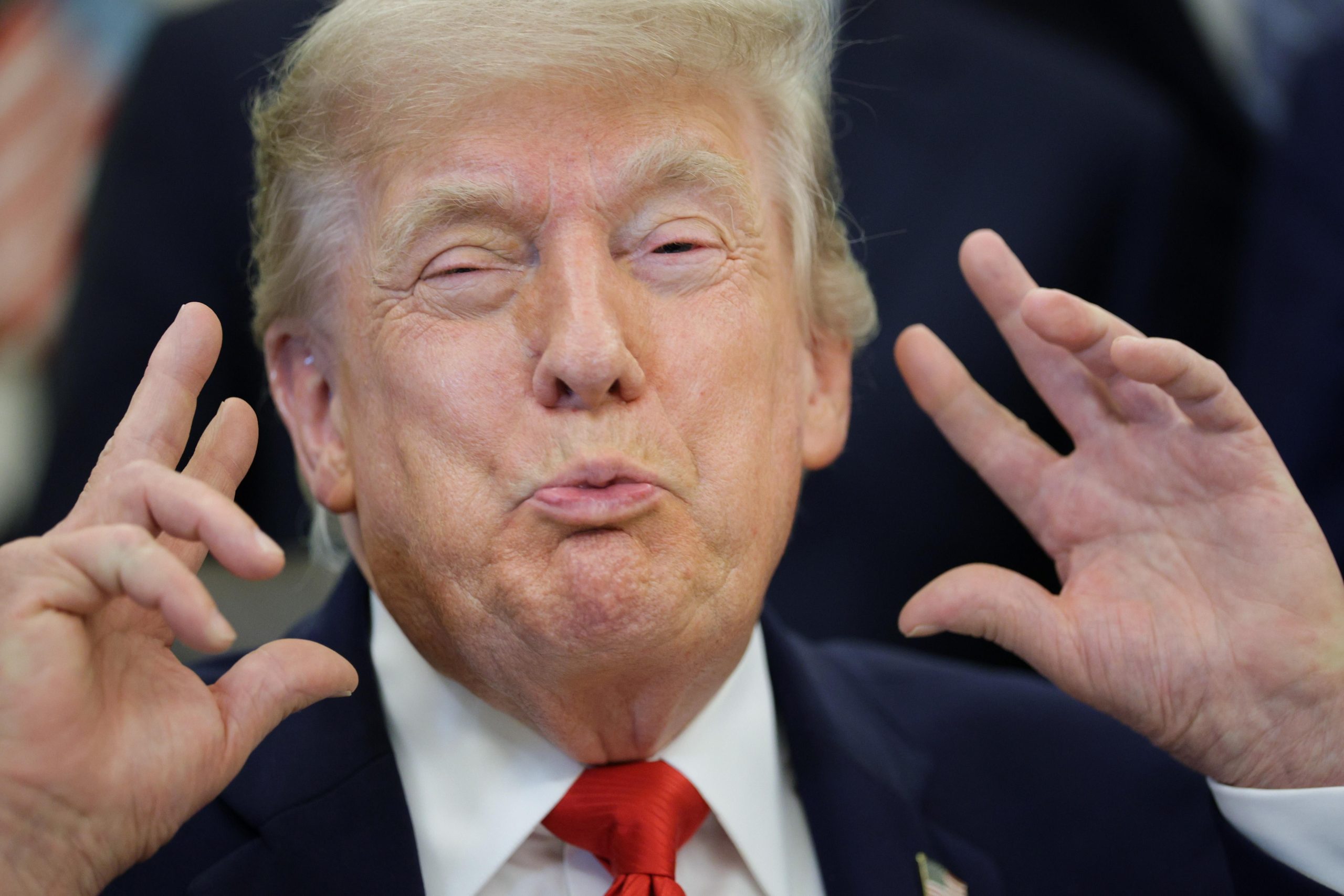

Donald Trump’s recent intervention into the regulation of artificial intelligence, specifically concerning Anthropic’s advanced AI model, is drawing sharp criticism and sparking a crucial debate about the balance between public safety and technological progress. While AI leaders like Anthropic CEO Dario Amodei have been vocal about the potential dangers of unchecked AI development, the method of intervention has raised eyebrows, with some arguing it represents a misstep in regulatory strategy.
Amodei, a prominent voice advocating for stringent oversight, recently penned an essay highlighting the urgent need for restrictions on cutting-edge AI models. He proposed that such models should be “blocked or reversed as a threat to public safety” if they fail to meet rigorous security benchmarks. His call for action was swiftly followed by a government order, reportedly under the Trump administration, to restrict the public release of Anthropic’s latest AI, codenamed “Mythos” in its unbridled state and “Fable” in its more constrained version. This move, while seemingly aligned with Amodei’s safety concerns, has been characterized by some as an unfortunate application of regulatory power, akin to a “monkey’s paw” wish – granting the request in a way that brings unintended negative consequences.
The Paradox of Premature Regulation
The incident underscores a complex paradox: as AI capabilities accelerate at an unprecedented pace, so too does the urgency to establish robust regulatory frameworks. However, the manner in which this particular restriction was implemented raises questions about effective policy-making. Critics argue that blanket prohibitions or immediate shutdowns, without a clear and transparent process for assessment and remediation, could stifle innovation and create a chilling effect on AI research and development. The debate is not solely about
if
AI should be regulated, but
how
such regulations can be implemented effectively without hindering beneficial advancements. The risk lies in creating a system where legitimate safety concerns lead to overreach, potentially pushing development underground or into less regulated territories.
Navigating the Future of AI Governance
The situation surrounding Anthropic’s AI model serves as a critical case study for the future of AI governance. The core tension lies between fostering responsible innovation and safeguarding against potential existential risks. Amodei’s advocacy for security standards is likely to resonate with many within the AI community and among policymakers. However, the direct governmental intervention, particularly its timing and perceived abruptness, highlights the need for more nuanced and collaborative approaches. Experts suggest that future regulatory efforts should prioritize clear guidelines, industry-wide standards, and proactive engagement with AI developers to ensure that safety measures are both effective and conducive to continued progress. The ultimate goal is to cultivate an environment where AI can flourish while mitigating its inherent risks, a delicate balance that requires careful consideration and thoughtful policy.
CONCLUSION:
The intervention into Anthropic’s AI model underscores the growing pains of integrating advanced AI into society. While the intention to ensure public safety is commendable, the execution of such regulatory measures demands careful consideration to avoid stifling innovation. As AI continues its rapid evolution, the global community faces the challenge of crafting regulatory frameworks that are both robust and adaptable, fostering a future where powerful technologies serve humanity responsibly. This incident is a stark reminder that the path to responsible AI governance is complex and requires ongoing dialogue and strategic foresight.
Based on materials: Vox



