
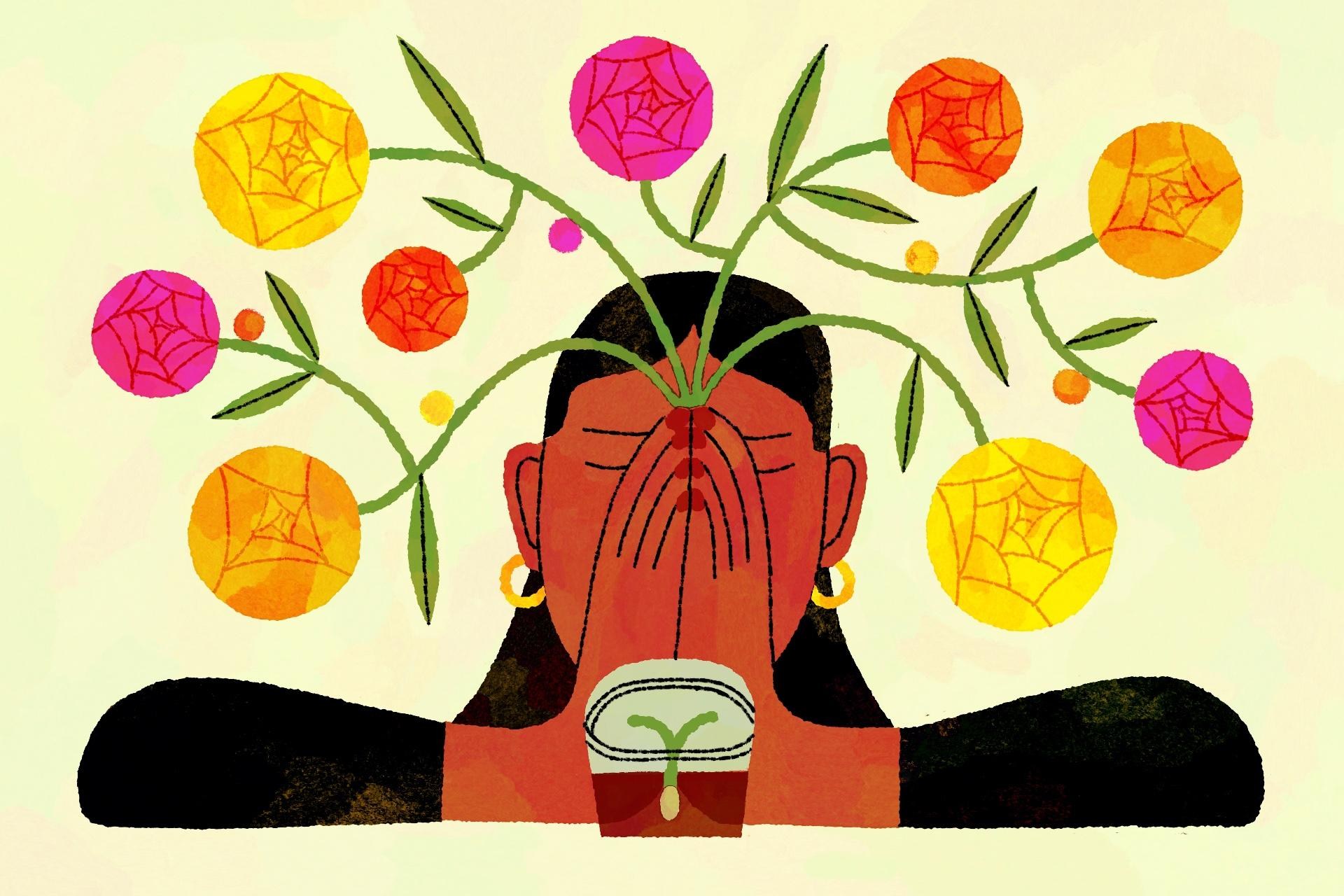
In a world increasingly seeking meaning beyond traditional religious structures, the act of prayer is being reimagined. Casper ter Kuile, a prominent voice in modern spirituality and author of “The Power of Ritual,” is exploring this shift in his new monthly column, “Soul Searching.” Ter Kuile, who boasts master’s degrees in Divinity and Public Policy from Harvard University and co-founded the popular podcast “Harry Potter and the Sacred Text,” offers a compelling perspective for those who find themselves drawn to spiritual practice but do not adhere to traditional theistic beliefs.
Many individuals, like ter Kuile himself, observe the profound peace and connection that prayer seems to offer their religious friends, yet struggle to engage in it themselves due to a lack of belief in a divine entity. The idea of a direct line to a listening God can feel inaccessible, and traditional prayer formats can sometimes feel encumbered by outdated patriarchal frameworks. This creates a unique challenge: how can one tap into the benefits of prayer – the potential for introspection, comfort, and a sense of inner stillness – when the foundational belief in a deity is absent?
Reimagining Spiritual Connection
Ter Kuile’s approach suggests that prayer doesn’t necessarily require a belief in a sentient, all-powerful being. Instead, he encourages a redefinition of prayer as a form of intentional engagement with oneself and the world. This can involve rituals, contemplative practices, or simply dedicated moments of reflection that foster a sense of presence and gratitude. The “portal” that prayer seems to open for believers can, for non-believers, be accessed through the cultivation of mindfulness, the appreciation of nature, or the deep connection found in human relationships. The focus shifts from petitioning an external force to cultivating an internal landscape of peace and purpose.
Rituals as Pathways to Meaning
The author emphasizes the power of ritual as a tangible pathway to spiritual experience, regardless of one’s theological stance. Rituals, whether ancient or modern, provide structure and intention to our lives, creating moments of pause and focus amidst the chaos of daily existence. For someone who doesn’t believe in God, this could manifest as a morning meditation practice, a mindful walk in nature, or a structured journaling session. These acts, when performed with intention, can evoke a sense of the sacred not by invoking a deity, but by honoring the present moment and fostering a deeper connection to oneself and the universe.
A Modern Approach to the Sacred
Ultimately, ter Kuile’s work offers a much-needed framework for a secular approach to spirituality. It acknowledges that the human desire for meaning, connection, and peace is universal, and that these needs can be met through practices that transcend traditional religious dogma. By drawing on ancient wisdom and adapting it for contemporary life, “Soul Searching” provides a roadmap for individuals to cultivate a rich spiritual life, even in the absence of belief in God, demonstrating that the pursuit of inner peace and profound connection is accessible to all.
Based on materials: Vox



