
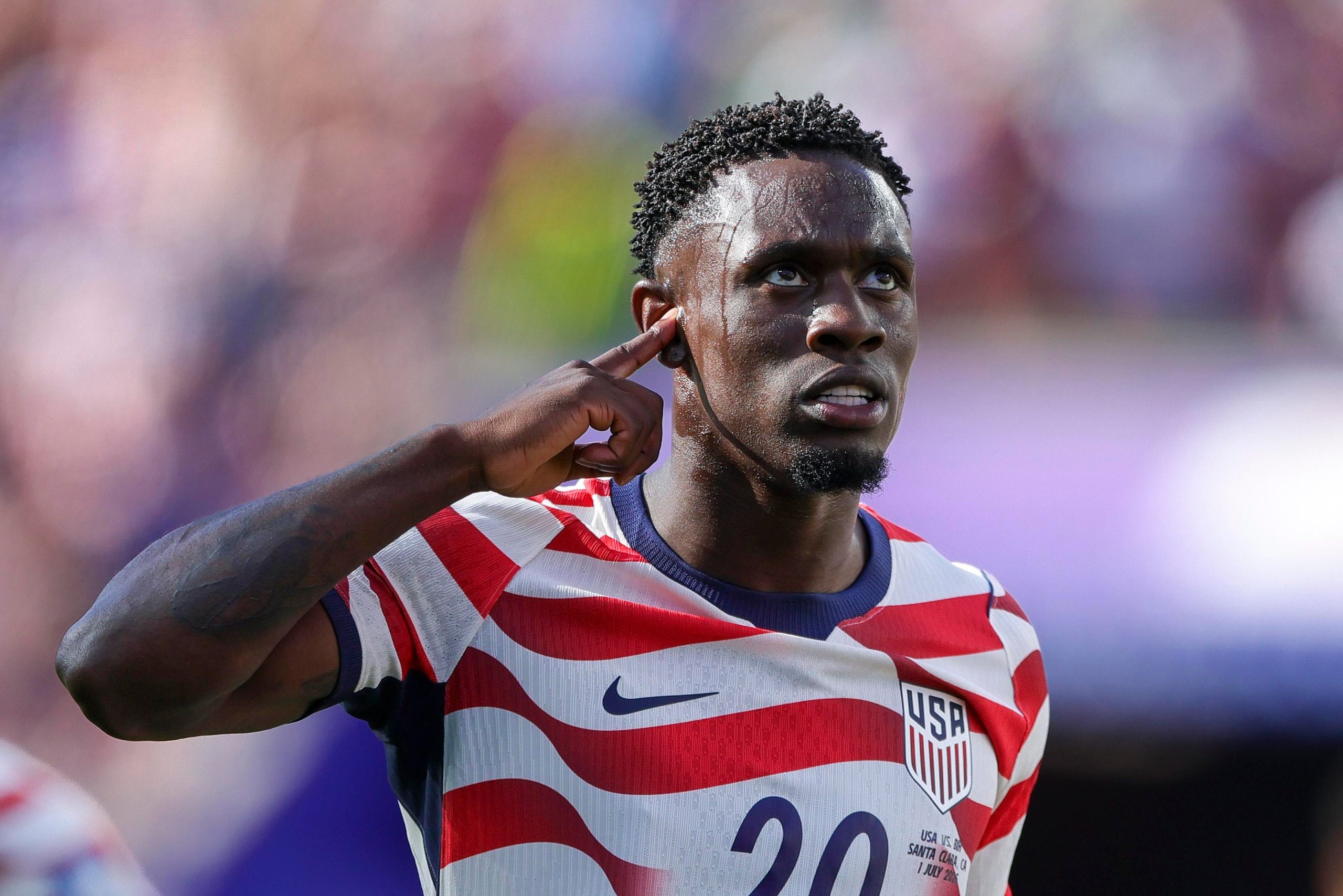
In a dramatic turn of events leading up to a crucial World Cup fixture, US striker Folarin Balogun has been cleared to play against Belgium on Monday night, following a swift reversal of his one-game red card suspension by FIFA. The decision, announced on Sunday, has ignited a firestorm of debate, with questions swirling around the unprecedented appeal and the extent of President Donald Trump’s alleged involvement.
The controversy centers on Balogun’s red card, a suspension that threatened to sideline a key player for the United States’ most significant match of the 2026 World Cup. For many, the name Folarin Balogun may have only recently entered their lexicon, amplified by the sudden prominence of political figures in the unfolding drama. The appeal process itself has been described as unprecedented, raising eyebrows within the football community and beyond, particularly given FIFA’s well-documented history of complex and often opaque decision-making.
FIFA’s U-Turn and Lingering Questions
The immediate question is why a player’s suspension became such a high-stakes issue. Balogun’s red card, while a significant setback, is not inherently unique in the world of professional football. However, the speed and nature of its reversal, coupled with the whispers of high-level intervention, have transformed it into a focal point. The US Soccer Federation reportedly lodged an appeal, but the ultimate motivation and impetus behind the expedited review remain subjects of intense speculation. This event casts a spotlight on the intricate relationship between national sporting bodies, international federations like FIFA, and the potential for political influence in sporting matters.
Beyond the Pitch: Politics and FIFA’s Reputation
The involvement of President Donald Trump, however indirect or alleged, adds another layer of complexity. While the official channels for appeals are established, the perception of external pressure can significantly impact public trust. FIFA has long been a subject of scrutiny regarding its governance and decision-making processes, often facing accusations of corruption and political maneuvering. This incident, regardless of its ultimate resolution, provides fertile ground for renewed criticism and debate about the integrity of the sport’s governing body. The United States, as a co-host of the 2026 World Cup, has a vested interest in maintaining the highest standards of transparency and fairness, making any perceived impropriety all the more concerning.
Looking Ahead: Impact on the US Campaign
With Balogun now available, the US national team can field its strongest eleven as they face a formidable Belgian side. The focus will undoubtedly shift back to the pitch, but the shadow of this administrative drama may linger. The team’s performance will be closely watched, not only for its sporting merit but also as a potential indicator of how effectively the US Soccer Federation navigates the complex political and bureaucratic landscape of international football. This episode serves as a stark reminder that in the global arena of sports, the game on the field is often intertwined with powerful forces off it.
Based on materials: Vox



