
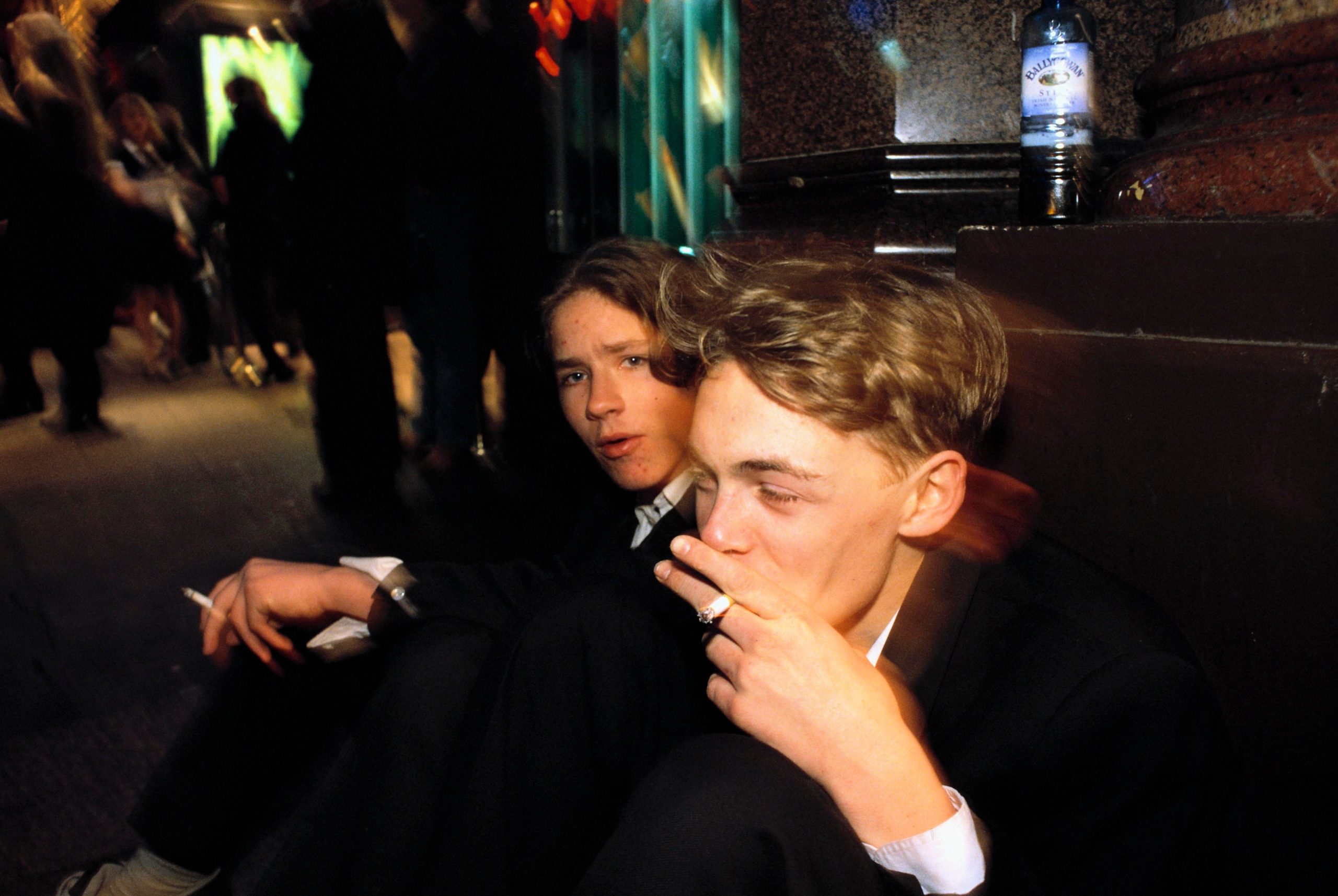
The echoes of the 1990s are back, and they’re louder than ever, driven by an unlikely demographic: Generation Z. From music and fashion to technology, the decade that many millennials fondly remember is experiencing a significant cultural revival, with today’s teenagers leading the charge. This phenomenon isn’t just a fleeting fad; it’s a compelling trend that offers a unique lens through which to understand contemporary youth culture and its relationship with the past.
The Y2K Aesthetic Captures a New Generation
Walk into any mall, and you’ll likely be greeted by the unmistakable resurgence of Y2K fashion. Baggy jeans, crop tops, butterfly clips, and an abundance of rhinestones are no longer relics of a bygone era but staples in the wardrobes of Gen Z. This sartorial shift is mirrored in the music scene, with artists like Olivia Rodrigo topping charts with albums deeply influenced by the alternative rock sounds of the late 90s and early 2000s. Even the music industry itself is seeing a nostalgic boom, with major tours from bands like Oasis, a band whose peak popularity predates the digital age, selling out stadiums worldwide. It seems the internet’s ubiquity and the rapid pace of technological change have paradoxically fueled a longing for a simpler, more tangible past.
Beyond the Surface: Why the 90s Resonate
The appeal of the 1990s for Gen Z extends beyond mere aesthetics. For a generation that has grown up with constant digital connectivity, the perceived analog nature of the 90s holds a unique charm. Flip phones and digital cameras, once discarded for smartphones, are now being sought after for their perceived simplicity and the distinct aesthetic they produce. This embrace of older technology suggests a desire for a less curated, more authentic experience, a stark contrast to the hyper-polished digital world many young people navigate daily. Furthermore, the 1990s represent a period before the full impact of the internet and social media reshaped social interactions and cultural consumption. This might offer Gen Z a glimpse into a less overwhelming and perhaps more grounded social landscape.
A Reflection of the Present Through the Past
The current wave of 90s nostalgia is more than just a cyclical trend; it’s a reflection of the anxieties and aspirations of a new generation grappling with their place in a rapidly evolving world. As Gen Z enters adulthood, they are looking to the past for inspiration, comfort, and perhaps even a blueprint for navigating the complexities of the present. The resurgence of 90s culture provides a cultural touchstone, a shared language and aesthetic that bridges generational divides and offers a sense of continuity in a time of constant flux. This phenomenon highlights the enduring power of cultural memory and how past eras can offer valuable perspectives for understanding and shaping the future.
SOURCE: Vox
Based on materials: Vox



