
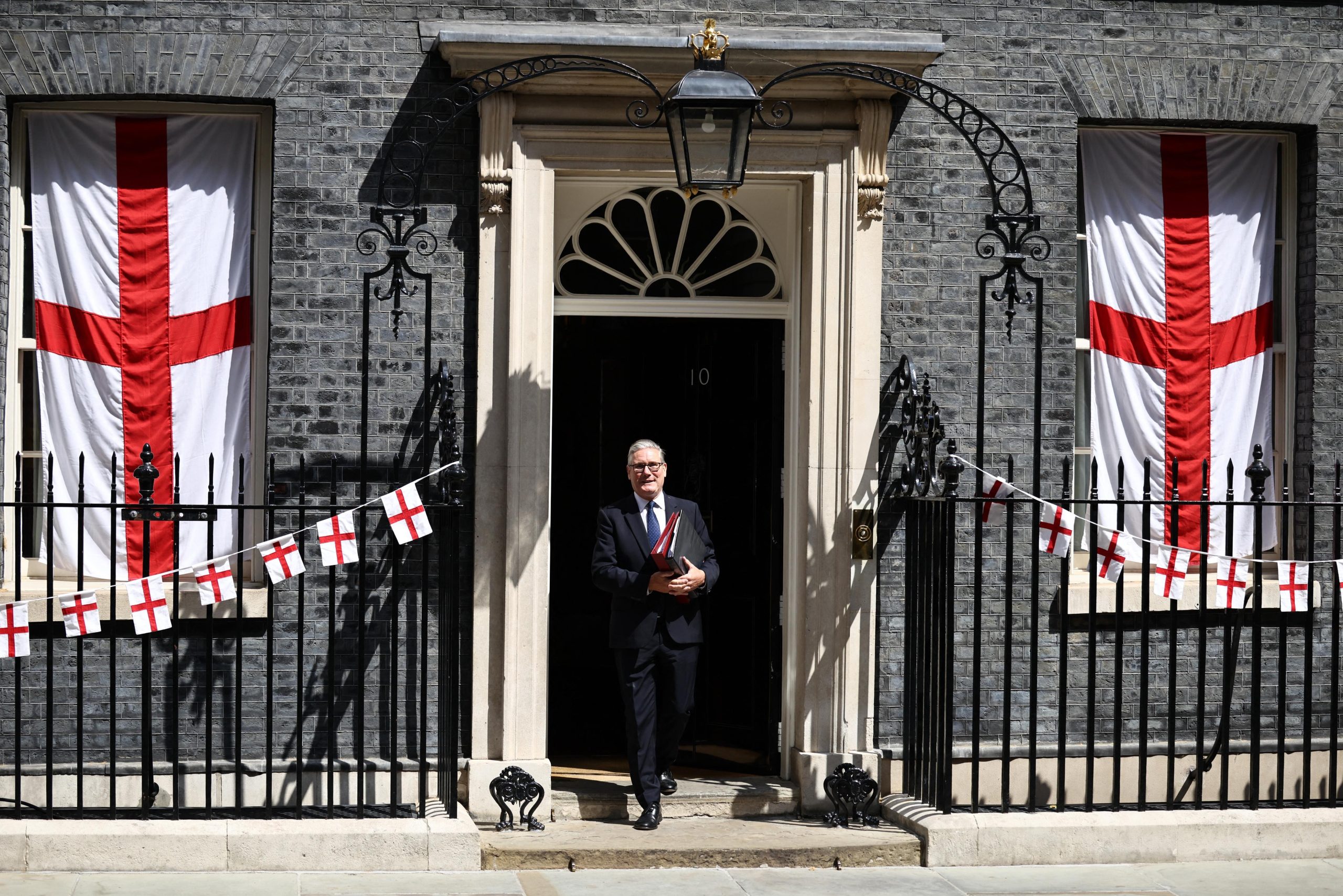
The United Kingdom is grappling with unprecedented political instability, witnessing a revolving door of prime ministers in recent years. The Labour Party, led by Sir Keir Starmer, secured a significant victory in 2024, promising a new era after over a decade in opposition. Starmer’s initial declaration of “Change begins right here!” resonated with a public eager for a fresh direction. However, this desire for change proved to be a double-edged sword, as public sentiment quickly shifted, leading to Starmer’s imminent resignation.
This dramatic turn of events marks Britain’s sixth prime minister in less than a decade, a stark departure from its historical image of political steadiness. Tom McTague, editor of the New Statesman, described this phenomenon as a loss of the nation’s perceived “island of stability,” humorously comparing the UK’s current political climate to that of Italy, albeit with less appealing weather and cuisine. The rapid turnover raises crucial questions about the underlying causes of this volatility and what it signifies for the future of British governance.
The Starmer Conundrum and Shifting Political Tides
Sir Keir Starmer’s tenure, though brief, highlights the complex challenges facing any leader attempting to navigate a fractured political landscape. While the Labour Party’s victory was a clear mandate for change, the specific nature of that change and the public’s evolving expectations appear to have outpaced the government’s ability to deliver. The initial enthusiasm for a new administration has seemingly waned, replaced by a growing dissatisfaction that has forced Starmer’s early departure. This rapid decline in support suggests a disconnect between the promised reforms and the lived experiences of the electorate, or perhaps a public sentiment that is increasingly difficult to satisfy. The speed at which this shift has occurred is particularly notable, indicating a heightened level of public scrutiny and a lower tolerance for perceived policy missteps or unfulfilled promises.
The Rise of the Far-Right and a Nation’s Identity Crisis
Amidst this political flux, a far-right candidate is reportedly positioning themselves to capitalize on the prevailing discontent. This development underscores a broader trend of political polarization and the search for definitive answers in uncertain times. The rise of such movements often reflects anxieties about national identity, economic security, and social change. The current climate in the UK, characterized by frequent leadership changes, could be fertile ground for ideologies that promise strong leadership and a clear vision, even if that vision is divisive. The “ungovernability” of the UK, as suggested by some observers, may be a symptom of deeper societal divisions that are being amplified by the rapid pace of political change and the perceived failure of mainstream parties to address them effectively.
Looking Ahead: A Fragile Future
The United Kingdom stands at a critical juncture. The constant churn in leadership not only disrupts policy continuity but also erodes public trust in democratic institutions. As the nation prepares for yet another prime ministerial transition, the focus will undoubtedly be on who can offer a sense of stability and direction. However, the underlying issues that have led to this period of turbulence – from economic pressures to evolving social values – will require more than just a change of face in Downing Street. The challenge for any incoming leader will be to address these fundamental concerns and to rebuild a sense of national consensus in a political environment that has become increasingly volatile and unpredictable. The coming months will be crucial in determining whether Britain can indeed find its footing or if this era of political flux is set to continue.
Based on materials: Vox



