
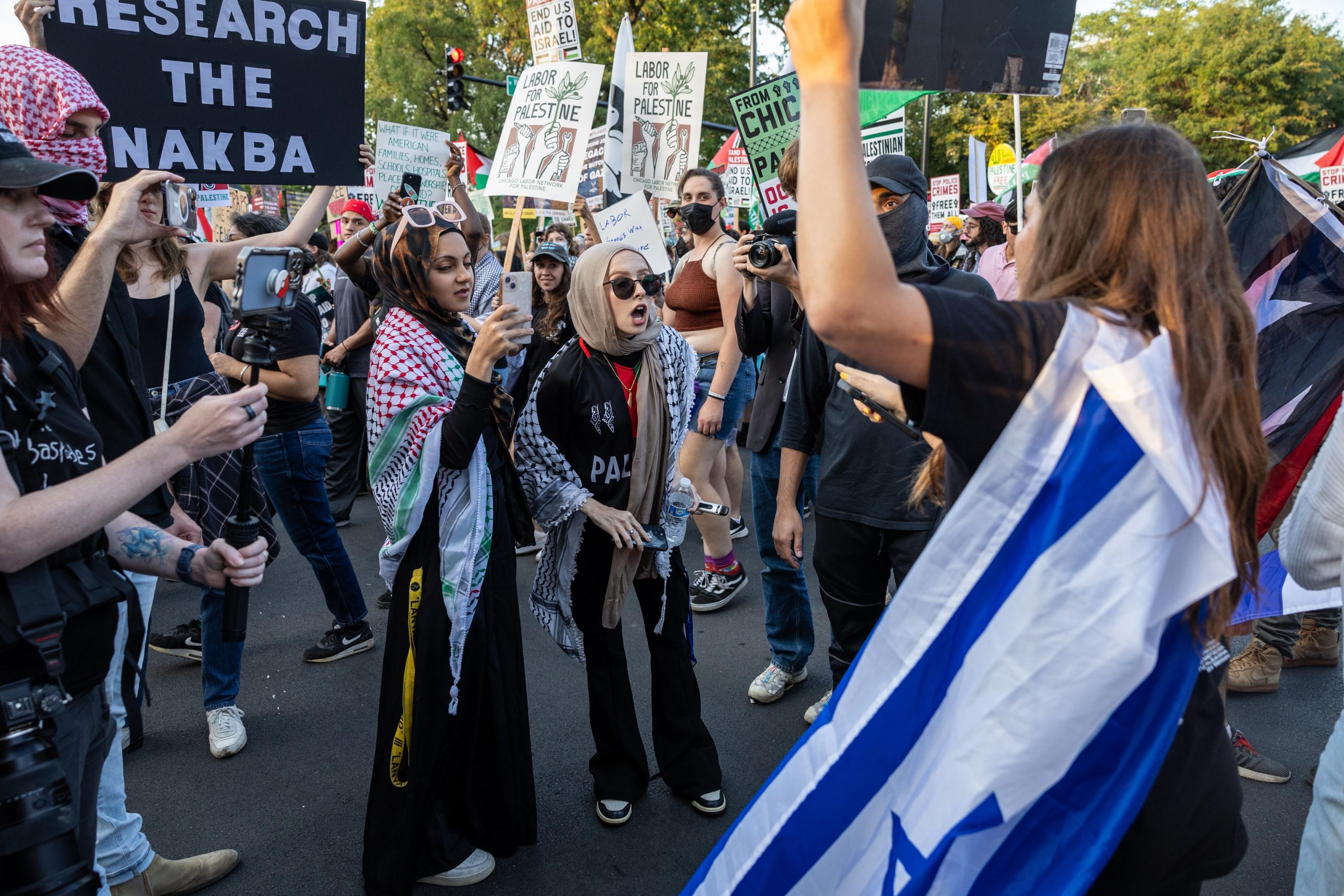
The political landscape surrounding U.S. support for Israel is undergoing a seismic shift, particularly within the Democratic Party. Recent polling data, primary election results, and legislative trends paint a stark picture: Democratic voters, especially younger generations, are increasingly viewing Israel unfavorably. This dramatic downturn in public opinion is beginning to reverberate in Washington, challenging long-standing bipartisan consensus and raising questions about the future of American foreign policy.
The Gaza War’s Impact and Shifting Perceptions
The devastating conflict in Gaza, ignited by Hamas’s October 7th attacks and Israel’s subsequent military response, has undeniably been the catalyst for this change. While Democratic voters soured on the war’s humanitarian toll relatively early on, a deeper analysis of polling data reveals a more nuanced, yet equally significant, turn against the nation of Israel itself. Crucially, the period around 2025 appears to have been a pivotal year, marking a significant decline in favorability that has continued to Worsen. This suggests that the sustained images of destruction and civilian casualties in Gaza have moved beyond a reaction to the conflict and have begun to shape perceptions of Israel’s broader standing.
Electoral Challenges and Pro-Israel Spending
This evolving sentiment is not remaining confined to opinion polls. Three incumbent Democratic members of Congress who have consistently supported Israel have recently lost their primary elections. These defeats are seen by many as direct consequences of their voting records and public stances on the issue, reflecting the growing pressure from their constituents. In response, pro-Israel advocacy groups are reportedly investing millions of dollars in an effort to influence upcoming races, targeting high-profile candidates and attempting to shore up support for their long-held positions. This increased financial investment signals a recognition of the serious challenge to their influence and a determination to counter the prevailing winds.
Congressional Dissent and Future Implications
Beyond the electoral arena, the shift is also evident in Congress itself. There has been a noticeable decrease in Democratic support for key legislative actions, including weapons sales and even direct aid to Israel. This growing internal dissent within the Democratic Party signals a potential fracturing of the traditional bipartisan foreign policy consensus that has guided U.S.-Israel relations for decades. The implications of this trend are far-reaching, potentially impacting future aid packages, diplomatic initiatives, and the overall tone of U.S. engagement with the Middle East. As the Democratic Party grapples with these internal divisions, the long-term consequences for American foreign policy and its relationship with Israel remain a critical area to watch.
Based on materials: Vox



