
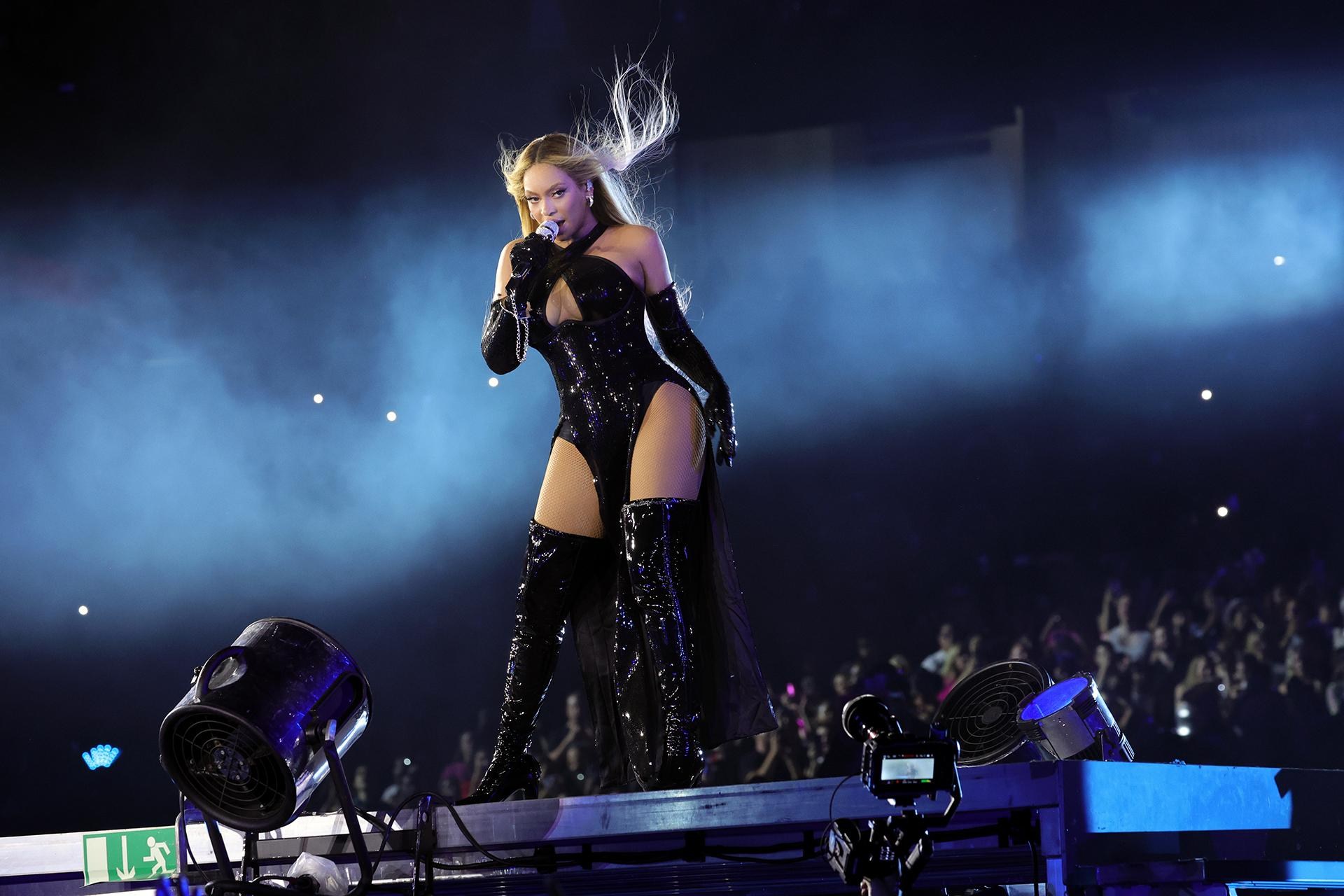
The roar of the crowd, the electrifying stage presence, the shared experience of a live event – these moments are increasingly becoming a luxury for many. What was once an accessible form of entertainment has transformed into a significant financial commitment, with top-tier concerts and sporting events demanding hefty price tags. This trend is exemplified by fans willing to shell out thousands for a single ticket to see global superstars like Beyoncé.
The Rising Cost of Entertainment
Gone are the days when a $92 concert ticket offered a reasonable entry point to a live performance. Recent data reveals a stark increase, with the average face value of a concert ticket now hovering around $133. However, this figure often fails to capture the true cost for consumers. The pervasive influence of ticketing giants like Live Nation, coupled with ever-mounting service fees and dynamic pricing strategies, means that securing a seat for a popular artist or major sporting event can easily push prices far beyond face value, particularly in the competitive secondary market. This escalating expense is shifting the landscape of live entertainment, making it a less frequent indulgence for the average fan.
Beyond the Ticket: The Broader Expense of Fandom
The financial commitment doesn’t end with the ticket itself. For many, attending a major event involves a cascade of associated costs that further inflate the overall expenditure. Consider the fan who spent an astonishing $15,000 for Beyoncé tickets. While this figure represents an extreme, it highlights a broader reality: attending sought-after events often necessitates factoring in travel, accommodation, food, and merchandise. These ancillary expenses can quickly add up, turning a single concert or game into a substantial investment. From the courtside seats at the US Open, complete with signature “Honey Deuce” cocktails, to prime spots at a sold-out Knicks game or a coveted seat at Olivia Rodrigo’s intimate “Unraveled” tour, the desire to experience these moments firsthand comes with a significant, multifaceted price tag.
The Evolving Definition of “Affordable” Entertainment
The current economic climate and the sophisticated ticketing mechanisms in place have fundamentally altered what is considered an “affordable” live event. While the thrill of witnessing a favorite artist or athlete in person remains potent, the economic barrier to entry is undeniably higher. This shift begs the question of accessibility and the future of live entertainment. As costs continue to climb, will these experiences become exclusive to a select few, or will new models emerge to broaden access? For now, the allure of a memorable live performance, epitomized by dedicated fans willing to make extraordinary financial sacrifices, underscores the enduring, albeit increasingly expensive, power of shared cultural moments.
Based on materials: Vox



