
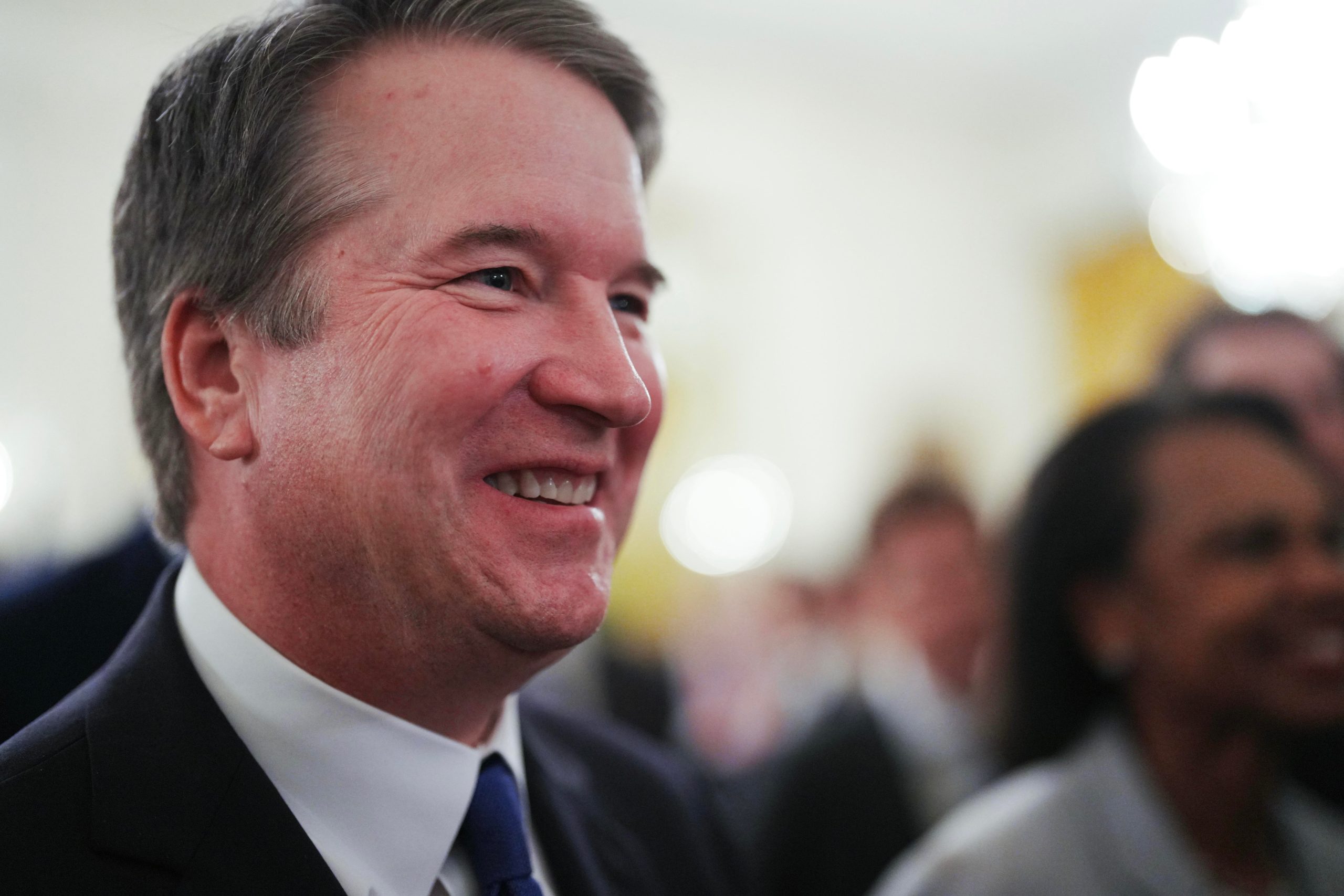
In a swift and decisive move, the U.S. Supreme Court has rebuffed a Republican attempt to redraw Missouri’s congressional districts, a decision that initially sparked elation among Democrats. However, the victory proved fleeting, as a single judicial intervention has cast a long shadow of uncertainty over the state’s upcoming elections.
A Brief Moment of Triumph and a Swift Reversal
For a brief period on Tuesday evening, it appeared Democrats had secured a significant legal win in a case directly impacting electoral outcomes. The Missouri Supreme Court had previously issued a ruling on Thursday, effectively pausing a new state law slated for 2025. This law, championed by Republicans, was designed to alter the state’s congressional map, a move widely seen as an effort to grant the GOP an additional seat in the U.S. House of Representatives.
In response, Republicans, alongside Missouri’s Republican Secretary of State Denny Hoskins, promptly appealed to the nation’s highest court. Their hope was that the conservative majority on the Supreme Court would intervene and mandate the use of the newly drawn, more favorable maps. However, their plea was met with an exceptionally curt dismissal. The Supreme Court’s order was a mere six words: “The application for stay presented to Justice Kavanaugh is denied.” This unceremonious rejection, while seemingly a win for Democrats, did not fully resolve the contentious issue.
Lingering Doubts and Potential Election Disruptions
The brief reprieve for Democrats was short-lived due to the actions of a single Trump-appointed judge, who has introduced considerable doubt and the potential for widespread electoral chaos in Missouri. While the Supreme Court’s denial of the stay application means the challenged law is indeed halted for now, the underlying legal battle and its implications for the upcoming congressional elections remain unsettled.
The crux of the issue lies in the state’s current congressional map versus the one proposed by the new law. The original map, which the Supreme Court’s denial implicitly favors for the immediate future, is less advantageous to Republicans. However, the very fact that the new law was enacted and then challenged, creating this legal entanglement, suggests deeper fissures in how electoral boundaries are drawn and contested. The involvement of a single judge in casting doubt highlights the fragility of electoral processes and the significant power held by judicial appointments in shaping political landscapes.
The Broader Implications for Electoral Integrity
This episode underscores the highly politicized nature of redistricting and the critical role the judiciary plays in safeguarding the integrity of elections. While the Supreme Court’s denial of the stay provided a temporary victory, the underlying dispute over fair representation and partisan advantage continues. The swiftness of the Supreme Court’s initial rejection, followed by the lingering uncertainty, serves as a stark reminder of how quickly legal battles can erupt and potentially disrupt democratic processes. The focus now shifts to how these legal challenges will ultimately be resolved and what precedent this case might set for future redistricting disputes across the nation, particularly in an era of intense political polarization.
Based on materials: Vox



