
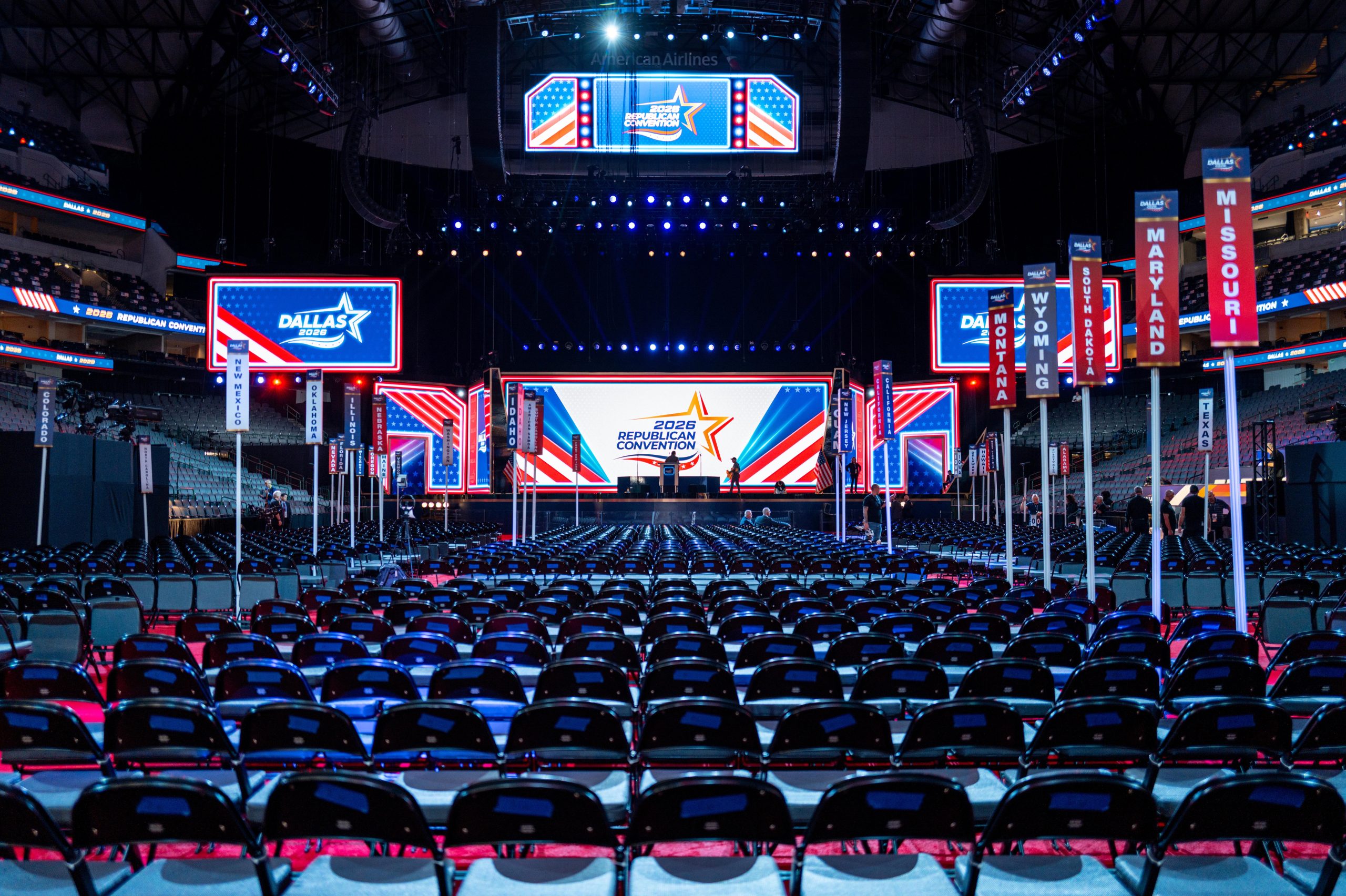
Donald Trump is set to headline the Republican Party’s midterm convention in Dallas, a move signaling a strategy heavily reliant on his personal brand and influence heading into the crucial 2026 elections. The event, the first of its kind since 1982, underscores a deliberate focus on Trump’s role in shaping the party’s narrative and energizing its base.
The decision to revive the midterm convention, an electoral tradition largely dormant due to past perceived failures and criticisms, highlights the unique political landscape cultivated by the former president. Historically, such gatherings have served to bolster party unity and strategize for upcoming elections. However, the current iteration appears poised to be a testament to Trump’s enduring command over the Republican Party, with his agenda and persona expected to be central to the two-day proceedings. This aligns with a broader trend observed in recent election cycles, where Trump’s endorsements and public appearances have frequently been the deciding factors for candidates seeking Republican nomination.
A Convention Reimagined
The rarity of a midterm convention, with the last one in 1982 reportedly being a less-than-successful affair, adds a layer of intrigue to this year’s gathering. The New York Times has noted historical descriptions of such events as “places for mischief,” suggesting a potential for internal party friction or a departure from traditional political discourse. For Trump, however, this unusual format offers a platform to directly engage with party faithful, amplify his past achievements, and outline his vision for the future, all while sidestepping the conventional scrutiny often associated with legislative sessions or standard campaign rallies. The choice of Dallas as the venue, a city with a significant Republican presence, further suggests a calculated effort to maximize the impact of his message within a receptive audience.
Trump’s Enduring Influence
The convention’s primary objective appears to be the consolidation of Trump’s influence over the Republican Party as it gears up for the 2026 midterms. By personally inaugurating the event, Trump is not merely endorsing candidates but actively shaping the party’s identity and electoral strategy around his own political capital. This approach acknowledges the fervent loyalty he commands among a substantial portion of the electorate, a demographic that has proven instrumental in past electoral victories. Analysts suggest that this strategy aims to mobilize these voters, drawing a clear distinction between Republican candidates and their opponents by framing the election as a referendum on Trump’s presidency and his ongoing impact on American politics. The emphasis is likely to be on energizing the base and projecting an image of strength and unwavering commitment to Trump’s core principles.
Looking Ahead to 2026
The Republican midterm convention in Dallas is more than just a gathering; it’s a strategic maneuver designed to leverage Donald Trump’s considerable influence for the upcoming 2026 elections. By placing him at the forefront of this unconventional event, the party signals a clear direction: a campaign deeply intertwined with the former president’s persona and policy priorities. The success of this strategy will hinge on its ability to both galvanize the Republican base and potentially appeal to a broader electorate, all while navigating the unique challenges and opportunities presented by a convention focused so intently on a single, dominant figure. The implications for the midterm landscape and the future trajectory of the Republican Party are significant, underscoring the enduring power of Donald Trump in contemporary American politics.
Based on materials: Vox



