
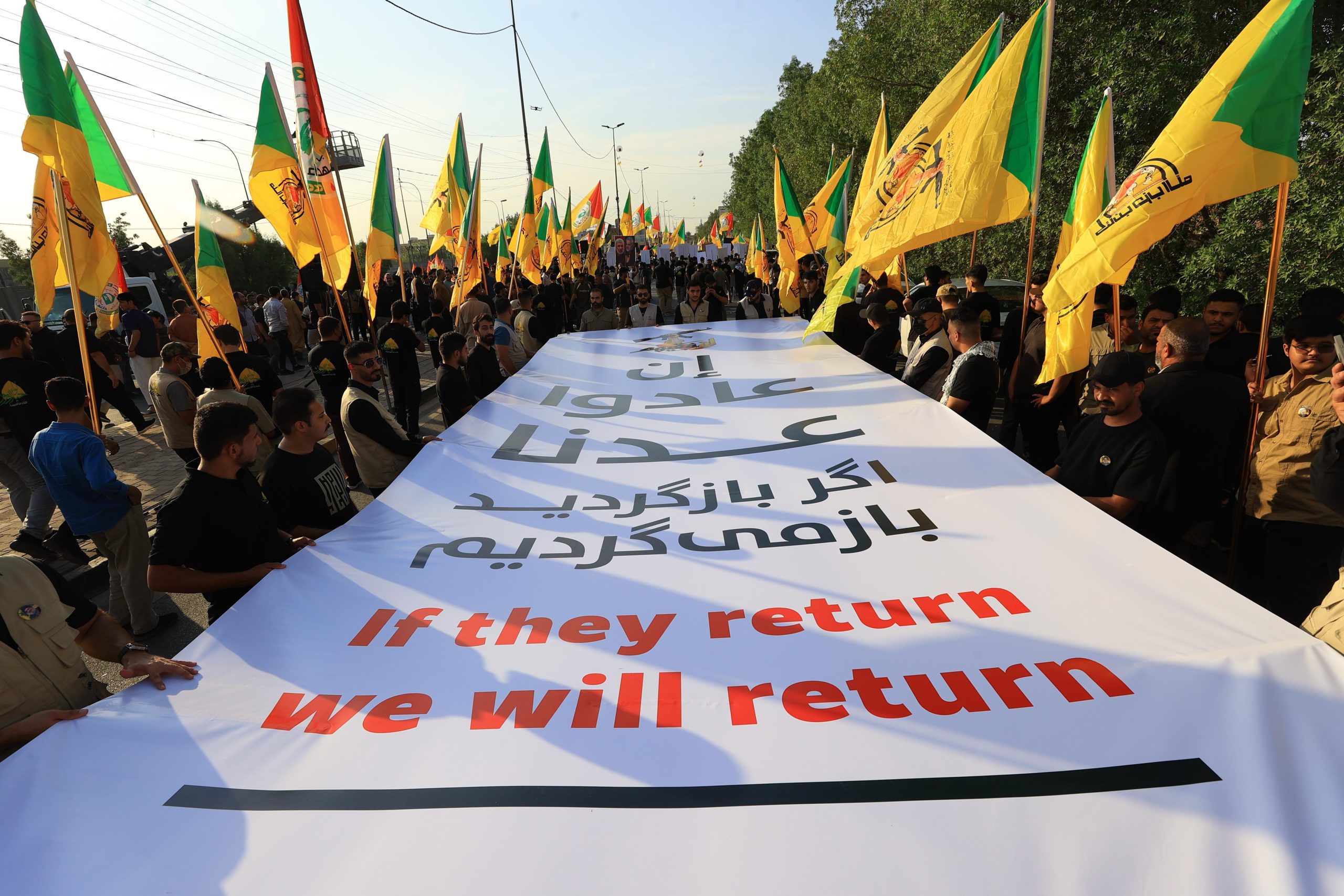
The final contingent of U.S. troops has formally departed Iraq, marking the end of a significant, albeit prolonged, military engagement that spanned over two decades. This withdrawal, occurring on September 30, 2026, signifies a pivotal moment in both American foreign policy and the complex geopolitical landscape of the Middle East. While the occasion is undeniably historic, it arrives with a notable lack of fanfare, reflecting years of gradual reduction in American military presence.
A Drawdown Years in the Making
The phased withdrawal of U.S. forces from Iraq is not an abrupt decision but rather the culmination of a strategic realignment initiated by the Biden administration. For years, the American footprint in the country has been steadily shrinking. This drawdown brings to a close a chapter in U.S. military history that began with the invasion of Iraq in 2003, part of the broader “war on terror.” At its peak, the U.S. and its allies deployed tens of thousands of soldiers to the region. While the initial troop surge concluded with a full withdrawal in 2011, a smaller contingent later returned to combat the rise of the Islamic State (ISIS), underscoring the persistent security challenges in the nation.
The decision to withdraw has been met with mixed reactions, both within Iraq and among international observers. For many Iraqis, the departure of foreign forces represents a long-awaited assertion of sovereignty and a step towards greater self-determination. Celebrations were observed in Baghdad, with citizens gathering to mark the occasion. However, the lingering question remains: what will be the long-term implications for Iraq’s stability and security? The nation has grappled with internal conflicts, sectarian divisions, and the persistent threat of extremist groups for years. The absence of direct American military support, while potentially empowering for Iraqi leadership, also raises concerns about the country’s capacity to independently manage its security challenges and rebuild its institutions.
Navigating the Post-Withdrawal Landscape
The withdrawal of U.S. troops does not signal a complete disengagement from Iraq. The United States is expected to maintain diplomatic ties and may continue to offer non-military forms of assistance, such as economic aid and training for Iraqi security forces. However, the nature of this relationship will undoubtedly shift from a direct military partnership to one focused on broader diplomatic and developmental support. This transition presents an opportunity for Iraq to forge its own path, free from the direct influence of a foreign military presence. It also places a significant burden on Iraqi leadership to consolidate power, address internal grievances, and foster national unity.
The international community will be closely watching Iraq’s progress in the coming years. The success of this transition will depend on the Iraqi government’s ability to effectively govern, combat corruption, and ensure the security and well-being of its citizens. The withdrawal also has broader implications for regional dynamics. The shifting balance of power and the evolving role of external actors in the Middle East will likely shape future geopolitical developments. As the U.S. shifts its focus to other strategic priorities, the onus is now on Iraq and its regional partners to build a stable and prosperous future. The departure of American troops is not an end in itself, but rather the beginning of a new and uncertain chapter for Iraq.
Based on materials: Vox



