
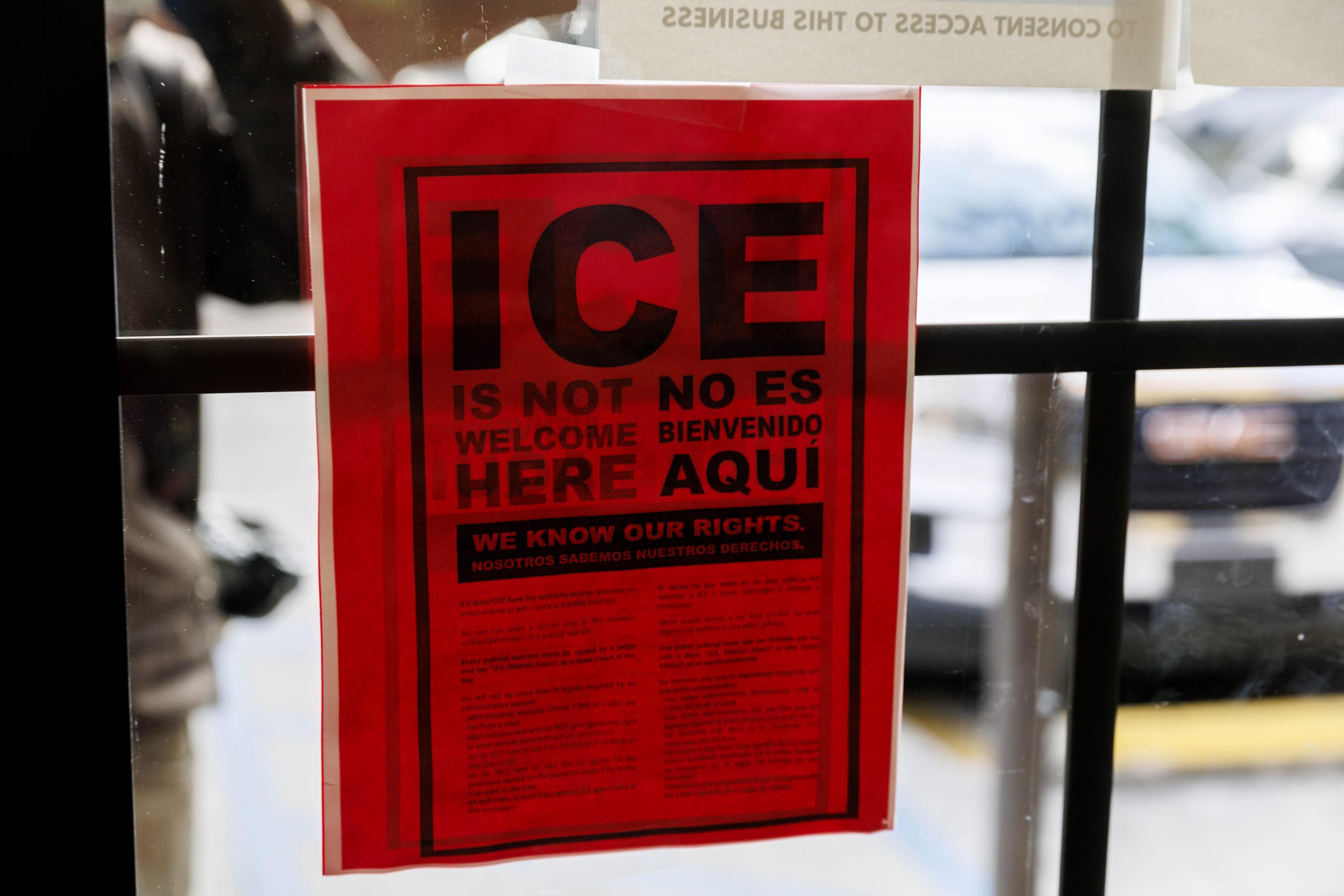
The political landscape surrounding immigration enforcement is undergoing a noticeable shift, leaving some Democrats potentially exposed by their past stances. A recent development highlights this evolving dynamic: a bipartisan pushback against aggressive Immigration and Customs Enforcement (ICE) tactics, even from unexpected Republican quarters, is casting a shadow over the Democratic party’s approach.
Shifting Sands of Enforcement
The notion that a tough-on-immigration stance is solely a Republican strategy is becoming increasingly outdated. While President Trump’s administration was known for its stringent enforcement policies, the current political climate suggests a broader unease with aggressive ICE operations. Senator Jim Justice of West Virginia, a Republican known for his alignment with former President Trump, recently voiced concerns about overzealous enforcement. Justice cautioned against “dragging people away that have lived on your street corner for 15 years,” suggesting that a more nuanced approach might be warranted. This sentiment, coming from a red-state Republican, signals a potential crack in the unified Republican front on immigration and indicates a growing discomfort with the human toll of strict enforcement.
Democratic Dilemma
This evolving Republican sentiment presents a complex challenge for Democrats. As the political winds change, the party’s past embrace of certain enforcement measures, or their perceived silence on the human consequences, may begin to “age badly.” The Laken Riley vote, a legislative moment that highlighted partisan divisions on immigration, now appears to be a less advantageous political position for Democrats as the broader conversation expands beyond party lines. The concern is that by aligning too closely with aggressive enforcement in the past, or by failing to adequately address the humanitarian aspects of immigration, Democrats risk alienating a segment of the electorate that is increasingly sensitive to the complexities of the issue.
The Road Ahead
The immigration debate is rarely static, and the current period appears to be no exception. As the 2026 primaries loom, political strategists on both sides will be closely watching these evolving trends. The pushback against aggressive ICE tactics, originating from within the Republican party itself, could empower Democrats to re-evaluate their messaging and policy positions. Conversely, it could also create an opening for Republicans to capitalize on any perceived Democratic missteps. The key for Democrats will be to navigate this shifting terrain with authenticity, demonstrating a commitment to both border security and humane treatment, a balance that has historically proven elusive in the immigration discourse. The “voice on the ground” sentiment, which often captures the lived realities of immigration policies, will be crucial in shaping the narrative and influencing voter perception in the coming election cycles.
Based on materials: Vox



